
Companion Plants
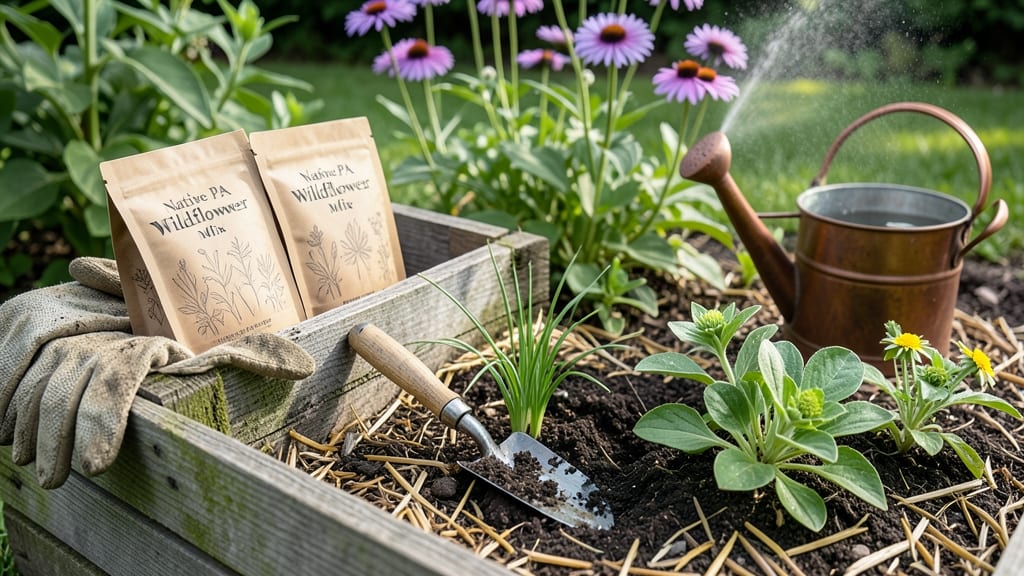
Planting wildflowers in Pennsylvania at the right time means the difference between a burst of color by summer and a season of waiting for seeds to sprout.
Timing your wildflower planting in Pennsylvania can mean the difference between a vibrant meadow and months of waiting—get it wrong, and you might miss peak blooms entirely. Here’s how to align your planting with PA’s hardiness zones and frost dates for maximum success.
Whether you’re sowing seeds in Zone 5b or Zone 7a, the key is planting either in early spring—after the last frost—or in early fall, when soil temperatures drop but before the ground freezes. This gives seeds the perfect window to establish roots before winter sets in.
Below, you’ll find a frost-date cheat sheet tailored to PA’s climate, plus tips for choosing the best wildflower species for your region, soil prep, and even how to extend your planting season with simple tricks.
PA wildflower planting calendar by hardiness zones 5-7
Pennsylvania’s hardiness zones 5-7 create distinct planting windows for wildflowers, where timing directly impacts bloom success. In Zone 5, last frosts average April 15, while Zone 7 sees them as early as March 20.
Annuals like cosmos thrive with spring sowing, but perennials such as coneflowers benefit from fall planting to establish roots before winter. Understanding these frost-date variations ensures your meadow blooms on schedule.
Spring planting in PA typically starts 4-6 weeks before last frost, giving seedlings time to germinate before heat sets in. For Zone 6, this means sowing March 15-April 1, while Zone 7 gardeners can begin February 20-March 15.
Fall planting, however, should occur 6-8 weeks before first frost—aim for September 1-October 15 across all zones to avoid winter kill.
Annual wildflowers like black-eyed susans and sunflowers have 30-60 day germination cycles, making spring planting ideal for quick summer blooms. Perennials such as purple coneflower and goldenrod, however, require 6-8 weeks to establish roots, so fall planting gives them a head start.
Always check seed packets for cold stratification needs—some wildflowers need winter chilling to break dormancy.
Here’s how PA’s hardiness zones break down for wildflower planting:
| Zone | Last Frost | First Frost | Spring Planting Window | Fall Planting Window | Best For |
|---|---|---|---|---|---|
| 5 | April 15 | October 20 | March 20-April 5 | September 1-October 5 | Annuals, hardy perennials |
| 6 | April 1 | October 15 | March 15-April 1 | September 15-October 10 | Perennials, mixes |
| 7 | March 20 | October 10 | February 20-March 15 | September 1-October 15 | Tender perennials, fast bloomers |
For Zone 5 gardeners, early spring planting is critical—sow cosmos and zinnia seeds directly into warm soil after the April 15 frost date. In Zone 7, you can push boundaries by planting marigolds as early as February 20 under row covers for a head start.
Fall planting in all zones should prioritize perennials like bee balm or butterfly weed, which need time to root before winter.
Seed viability is another key factor: most wildflower seeds remain viable for 1-3 years if stored in a cool, dry place. However, annuals like sunflowers lose viability faster (1 year) compared to perennials such as black-eyed susans (3+ years).
Always check seed packets for expiration dates—planting old seeds may result in poor germination.
Microclimates in PA can shift planting windows by 1-2 weeks. South-facing slopes warm faster, allowing earlier spring planting, while low-lying areas may experience late frosts into May.
Use frost cloth or row covers to protect seedlings if late frosts threaten. For container gardening, move pots indoors or to a sheltered spot during unexpected cold snaps.
Test soil moisture before planting—PA’s spring can bring unpredictable rainfall. Aim for 1 inch of water per week during germination, but reduce to every 10-14 days once seedlings are established. Mulching with straw or wood chips helps retain moisture and suppress weeds, giving wildflowers a competitive edge.
Monitor local weather forecasts for extended cold snaps after planting. If temperatures dip below 40°F at night, cover seedlings with lightweight row fabric until they’re 4-6 inches tall. This simple step can mean the difference between thriving blooms and frost-damaged seedlings.
Plan your wildflower meadow with succession planting in mind. Start with fast-growing annuals like cosmos in early spring, then add perennial mixes in fall for long-term color. By aligning your planting with PA’s frost dates and hardiness zones, you’ll create a low-maintenance
Best wildflower species for PA seasons: fastest bloomers vs. long-lived perennials
When choosing wildflowers for Pennsylvania’s variable climate, timing isn’t just about when you plant—it’s about selecting species that match your patience level and garden goals.
Some varieties burst into bloom within 60 days, while others take years to reach their full potential but reward you with decades of color. Let’s break down the best options for PA’s hardiness zones 5b-7a, whether you want quick gratification or long-term beauty.
For fastest bloomers, annuals like cosmos and sunflowers are my go-to choices. They germinate quickly and can flower in as little as 8-10 weeks, making them perfect for filling gaps in your garden or creating instant impact.
These species thrive in full sun and well-draining soil, which is common across most of PA’s regions.
Cosmos (e.g., Cosmos bipinnatus) is a top pick for its drought tolerance and self-seeding habit. It blooms from mid-summer until frost, attracting pollinators like bees and butterflies. Plant seeds directly in the garden after the last frost—typically mid-April to early May—for the fastest results.
On the other end of the spectrum, long-lived perennials like coneflowers (Echinacea) and black-eyed Susans (Rudbeckia) offer decades of blooms with minimal effort. These plants establish slowly but become low-maintenance workhorses in your garden.
For example, purple coneflower can live for 10+ years and blooms from June to September, making it a pollinator magnet.
If you’re planting perennials in PA, aim for early fall sowing (September) or late spring (May).
This gives roots time to establish before extreme heat or cold sets in. Goldenrod (Solidago) is another excellent perennial that thrives in PA’s dry to medium moisture soils and adds late-season color with its golden-yellow blooms from August to October.
For soil preferences, most PA-native wildflowers prefer well-draining, slightly acidic to neutral soil (pH 6.0-7.0).
Amend heavy clay soils with compost or sand to improve drainage, especially for perennials, which resent soggy roots. Black-eyed Susans, for instance, tolerate a wide range of soils but perform best in loamy, well-drained conditions—ideal for PA’s mixed soil types.
Pro tip: Mix fast bloomers with long-lived perennials to create a continuous bloom from early summer through fall. For example, pair cosmos (fast) with coneflower (long-lived) to ensure your garden stays vibrant all season long. Just remember: water deeply during establishment and mulch lightly to retain moisture without smothering seedlings.