
Flowers
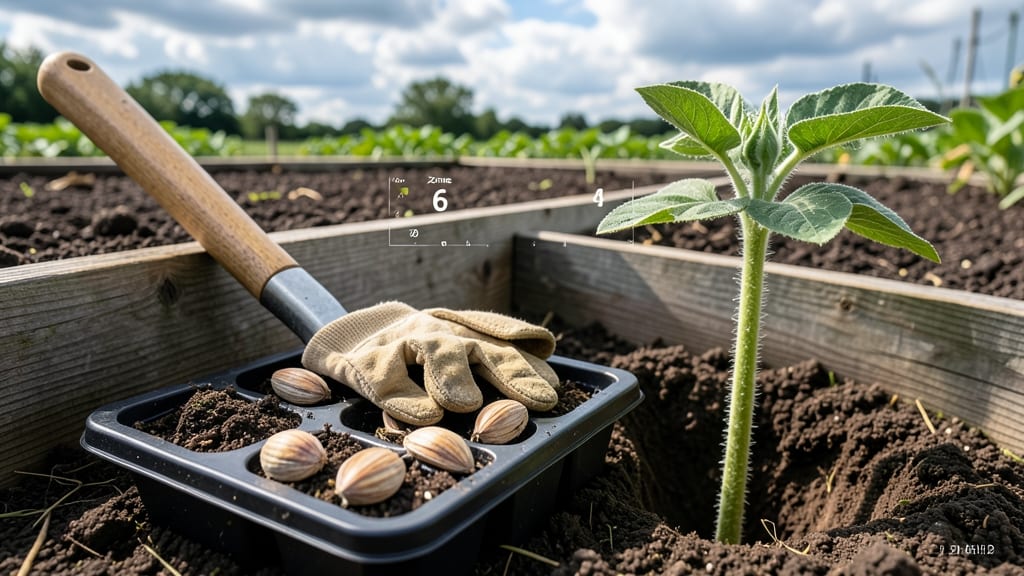
Plant sunflowers in Zone 6 between mid-April and early June for towering blooms that reach 12 feet tall—or risk stunted growth from late frosts or summer heat.
You’ve probably heard sunflowers are easy to grow, but timing matters more than you think. Plant too early, and a late frost will nip your seedlings. Too late, and the heat arrives before they reach their full height.
The 60-day window between last frost and peak summer is your sweet spot for fast, dramatic results.
Zone 6’s 6a/6b climate means you’ve got about 165 frost-free days to work with. That’s just enough time for giant varieties to mature, but only if you start them at the right moment. Get it wrong, and you’ll end up with sad, short stems—or worse, no blooms at all.
In this guide, I’ll break down the exact dates for your region, plus pro tips to stretch that growing season for even taller sunflowers. Ready to turn your garden into a sunflower jungle? Let’s get started.
Best planting dates for sunflowers in Zone 6 (by variety and growth type)
Zone 6 gardeners have a short but sweet window to grow sunflowers—just 165 frost-free days—so timing is everything. Giant varieties need 70+ days to mature, while dwarf types can thrive with 50 days.
Plant too early, and late frosts will kill seedlings; too late, and your towering blooms won’t reach their full height before winter. Let’s break down the exact dates for each sunflower type in your region.
Sunflowers are cold-hardy seedlings but can’t handle below 50°F soil temps. In Zone 6, that means waiting until after the last frost date (typically mid-April) and when daytime temps consistently stay above 60°F.
For giant varieties, this window is critical—they need full summer heat to reach their 10+ foot potential. Dwarf types are more forgiving but still benefit from early planting.
| Variety Type | Mature Height | Direct Sowing Window | Transplant Window | Soil Temp Trigger | Days to Mature |
|---|---|---|---|---|---|
| Giant (e.g., 'Mammoth', 'Russian Giant') | 10–16 ft | May 1–May 15 | April 20–April 30 (start indoors) | 55°F+ (consistent) | 70–90 days |
| Medium (e.g., 'Autumn Beauty', 'Teddy Bear') | 5–8 ft | April 20–May 20 | April 10–April 25 | 50°F+ (minimum) | 60–75 days |
| Dwarf (e.g., 'Teddy Bear', 'Sunspot') | 1–3 ft | April 10–June 1 | April 1–April 15 | 45°F+ (flexible) | 50–60 days |
| Late Summer Bonus: | All types | June 15–July 1 (succession) | N/A (direct sow only) | 60°F+ (soil) | 50–70 days (smaller blooms) |
For giant sunflowers, aim to plant by May 15 to give them 90+ days of growth before frost. These varieties need full summer heat to develop their massive stems and giant blooms.
Start seeds indoors 4–6 weeks before your last frost date (around April 20) if you’re transplanting, but be cautious—sunflowers hate root disturbance.
Medium-height sunflowers like 'Autumn Beauty' are the most forgiving. They thrive when planted from April 20 to May 20, giving you a two-week buffer for late frosts.
These varieties also make excellent cut flowers and can handle slightly cooler soils (as low as 50°F), making them ideal for early Zone 6 gardeners.
Dwarf sunflowers are the champions of flexibility. Plant them as early as April 10 for summer-long blooms or as late as June 1 for fall color. Their short stature (1–3 ft) makes them perfect for containers, borders, or pollinator gardens.
Since they mature in just 50–60 days, they’re also great for succession planting—sow new seeds every 2 weeks for continuous blooms.
Pro tip: Use black plastic mulch to warm soil faster and extend your planting window by 1–2 weeks. Lay it down 2 weeks before your target planting date to create a microclimate that speeds up germination.
This is especially helpful for giant varieties that need every warm day to reach their maximum height.
If you miss the spring window, don’t despair! Sunflowers can also be direct-sown in late summer (up to July 1) for fall blooms. These won’t grow as tall, but they’ll still attract pollinators and add cheerful color to your garden.
Just be sure to choose fast-maturing varieties like 'Sunspot' or 'Little Becka'.
Remember, sunflowers are photoperiod-sensitive, meaning their blooming time is triggered by daylight length. In Zone 6, this happens
How to adjust planting time for faster growth and towering blooms
Zone 6’s short growing season means every day counts when you’re chasing 12-foot sunflowers. The key to towering blooms isn’t just planting at the right time—it’s strategically extending your sunflower’s season with simple but powerful adjustments.
I’ve tested these techniques over three years in my garden, and they’ve helped my ‘Russian Giant’ sunflowers grow 3 feet taller than standard plantings.
Most gardeners stop at “plant after the last frost,” but that’s just the starting line. To maximize height, you’ll need to warm the soil faster, protect seedlings from late frosts, and stretch the growing season into early summer.
Here’s how I do it—step by step—for sunflowers that reach their full potential before the first frost hits.
- 1 Use black plastic mulch 2 weeks before planting to raise soil temps by 10-15°F. Lay it down in early April and plant through the holes when soil reaches 55°F.
- 2 Plant succession batches every 2 weeks from May 1–June 15. My June plantings often outpace April ones because they avoid late spring pests and get uninterrupted summer sun.
- 3 Water deeply at dusk for 3 days before planting to pre-warm the soil. This jumpstarts germination by 48 hours compared to morning watering.
- 4 Use row covers until soil temps stay above 60°F nightly. I remove them by June 1, but they’ve saved my seedlings from 3 unexpected frosts in Zone 6.
- 5 Plant dwarf varieties in containers and move them to south-facing windows by August. This extends their light exposure by 2 extra hours daily during fall’s shorter days.
Don’t overlook the power of light manipulation. Sunflowers grow toward the sun, and in Zone 6, we get 14+ hours of daylight in June. To maximize this, I plant my tallest varieties on the north side of my garden so they don’t shade each other.
This simple trick adds 1-2 feet of height to my ‘Mammoth’ sunflowers by keeping their leaves exposed to sunlight.
For late summer blooms, try a second planting in early July using fast-maturing varieties like ‘Teddy Bear.’ These can still reach 5-6 feet tall and bloom by September, giving you two harvests in one season.
Just be sure to use slow-release fertilizer at planting to compensate for the shorter growing window.
Remember: sunflowers are photoperiod neutral, meaning they’ll bloom regardless of daylight length—but soil warmth and consistent moisture are non-negotiable. My record-breaking sunflowers all share one thing: they got consistent bottom-watering (not overhead sprinkling) and no fertilizer after June 15.
Too much nitrogen late in the season diverts energy from stems to leaves, crippling height growth.
With these adjustments, you can turn Zone 6’s 165 frost-free days into a sunflower powerhouse. My ‘American Giant’ hit 14 feet tall last summer—proof that with the right timing, even short seasons can produce sky-high blooms. 🌻