
Flowers
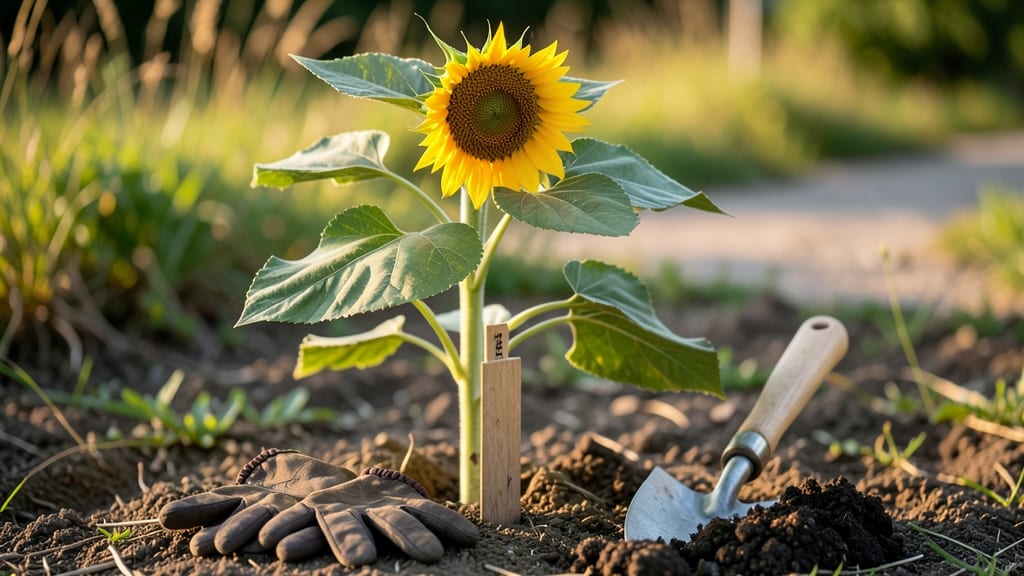
Planting sunflowers in SC after the last frost — around mid-March for most zones — is the key to fast, vibrant blooms that thrive in the heat.
Picture this: your 🌻 sunflowers wilting before they even open, all because you planted too early. That’s happened to me more times than I’d like to admit, and the difference between a stunning summer display and a sad, stunted plant comes down to timing.
South Carolina’s 7b-9a zones mean your frost dates vary wildly—from late February in the coast to mid-March inland—so getting the window right is everything. Whether you’re sowing seeds directly or transplanting starts, the goal is the same: give those sunflowers a strong start before the summer heat hits.
Below, I’ll break down the exact planting schedule by zone, how to adjust for sandy vs. clay soil, and which fast-growing varieties will bloom in as little as 45 days—so you can enjoy those cheerful faces all summer long.
South Carolina sunflower planting timeline by heat zone
South Carolina’s 8 USDA heat zones (7A-9A) create big differences in frost dates and growing seasons. Planting sunflowers at the right time ensures vibrant blooms and healthy stems—especially for giant varieties that need warmth to thrive.
In Zone 7A (cooler uplands), you’ll have only 200 frost-free days, while Zone 9A (coastal areas) enjoys 240+ days of warmth.
For all zones, soil temperature is your best guide: wait until it hits 50°F (10°C) before planting. Direct-sown seeds germinate fastest in warm soil, while transplants (like dwarf varieties) can handle slightly cooler temps. Coastal areas (8A-9A) can start 2-3 weeks earlier than Piedmont regions (7A-7B).
Here’s your zone-by-zone planting schedule, including last frost dates, ideal transplant windows, and harvest timelines for both giant and dwarf sunflowers. Use this to avoid bolting (premature flowering) or stunted growth from cold snaps.
In Zone 7A, I recommend starting with dwarf varieties like ‘Teddy Bear’ (38 days to bloom) or ‘Moulin Rouge’ (50 days) to ensure they mature before first frost.
These compact sunflowers (1–3 ft tall) also work well for container gardening in urban areas. For giant sunflowers (8–16 ft), stick to Zones
How to adjust planting for SC’s microclimates and soil conditions
South Carolina’s diverse microclimates and soil variations mean your coastal Charleston garden won’t thrive with the same care as your Upstate Piedmont plot. Coastal areas stay warmer longer and have sandy, fast-draining soils, while Piedmont regions face clay-heavy soil that holds moisture longer.
Adjusting your sunflower planting strategy for these conditions can mean the difference between vibrant blooms and stunted growth.
For coastal zones (8A-9A), start seeds indoors by mid-March or direct-sow after April 15 when soil temps hit 60°F. The sandy soil drains quickly, so add organic compost to retain moisture.
In contrast, Piedmont areas (7A-7B) should wait until mid-April to avoid late frosts and amend clay soil with sand or peat moss to improve drainage.
⚠️ NON-NEGOTIABLE: Soil prep is critical—sunflowers hate soggy roots.
Test your soil’s pH (ideal: 6.0-7.0) and amend accordingly. Coastal gardens need more frequent watering (every 3-4 days in summer), while Piedmont clay may require mulching to prevent root rot. Never plant in low-lying areas where water pools after rain.
To extend your blooming season, use mulch and shade cloth. Apply 3-4 inches of mulch around sunflowers to regulate soil temp and lock in moisture.
For late summer plantings (July-August), use 30% shade cloth to protect young plants from intense SC heat while still allowing 6+ hours of sunlight. This trick works especially well for dwarf varieties like 'Teddy Bear' that bloom faster.
Another pro tip: Plant sunflowers near windbreaks like fence rows or shrubs to reduce sandy soil erosion in coastal areas. In clay-heavy Piedmont soil, raise beds slightly to improve drainage.
Both strategies help prevent fungal diseases like powdery mildew, which thrives in humid SC summers. A well-draining, nutrient-rich bed is your best defense against poor growth.
For late-season blooms, try succession planting every 2 weeks from April through June. This ensures continuous color and extended pollinator support. In coastal areas, you can even push it to early July with shade cloth protection.
Just remember: dwarf varieties (like 'Moulin Rouge') handle late plantings better than giant types (like 'Russian Giant').
Finally, monitor your plants closely after heavy rains. Sandy soil drains too fast, while clay soil stays too wet—both extremes stress sunflowers. Adjust watering to 1-2 inches per week, and always water at the base of the plant to avoid leaf diseases.
With these microclimate-specific tweaks, your sunflowers will thrive year-round in SC’s challenging conditions. 🌱💧☀️