
Flowers
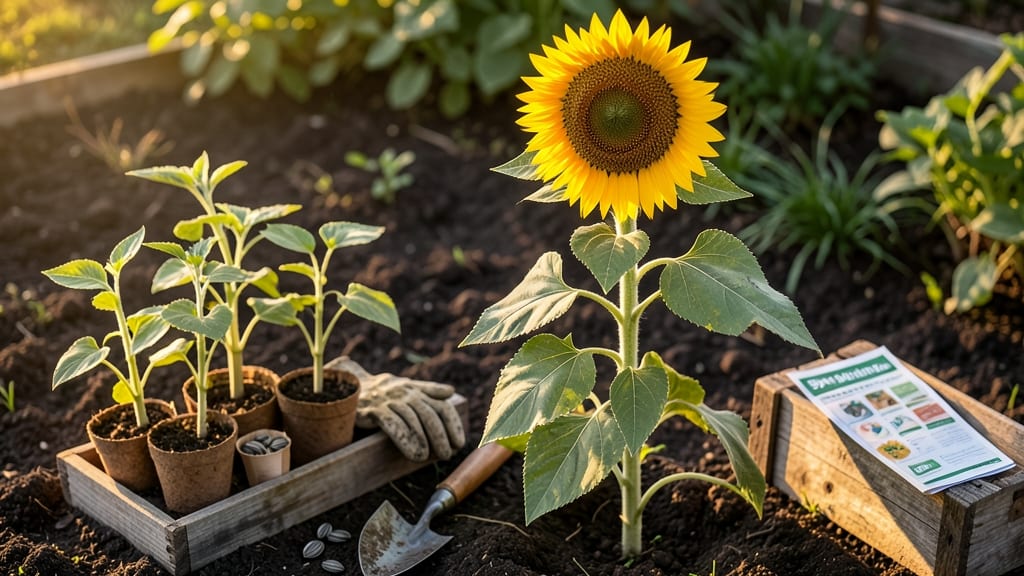
Planting sunflowers in New Jersey between mid-April and mid-June ensures they bloom before fall frost, giving you those towering 🌻 faces from late July to October.
Sunflowers bring bold color and joy to New Jersey gardens—but planting them at the wrong time can mean wilted dreams before they even bloom. Timing is everything, and NJ’s unpredictable frost dates demand precision.
Most varieties need 50 to 120 days to mature, so late spring is your best bet. In USDA zones 6a-7b, waiting until soil temperatures hit 55°F (around mid-May in most areas) prevents rot and encourages faster growth.
Below, I’ll break down the exact frost-free deadlines by sunflower type, soil prep tips, and how to stretch your blooming season with staggered planting—so you can enjoy those cheerful faces all summer long.
NJ sunflower planting deadlines: frost-free dates by variety type
New Jersey’s USDA zones 6a-7a mean sunflower planting deadlines vary by just a few weeks between North Jersey’s cooler climate and South Jersey’s milder winters. Last frost dates typically range from April 15 in North Jersey to May 1 in South Jersey, but microclimates can shift these by 1-2 weeks. Giant varieties like 'Mammoth' need extra warmth, while dwarf types like 'Teddy Bear' tolerate cooler soils better.
For optimal sunflower growth, aim to plant 2-4 weeks after your average last frost date.
This ensures seedlings emerge when soil temperatures hit 55-60°F—critical for preventing rot. Heat-tolerant varieties like 'Autumn Beauty' can handle late starts, but tall giants need early planting to reach full height before fall.
If you’re in North Jersey (zones 6a-6b), wait until mid-May for giant varieties to avoid late spring frosts, which can stunt growth. South Jersey gardeners (zones 7a-7b) have a 2-week advantage—ideal for pushing late-season plantings.
Always check local frost forecasts via the NJ State Climate Office for real-time adjustments.
For container gardening, start seeds indoors 2-3 weeks earlier using grow lights, then transplant after the last frost. Direct-sown seeds germinate fastest in 60-65°F soil, so use a soil thermometer. Black plastic mulch can warm soil by 5-10°F, extending your planting window by 1-2 weeks.
Pro tip: Stagger plantings every 2 weeks to ensure continuous blooms from July through October. Dwarf varieties planted in late May will still flower by September, adding late-season color. Giant sunflowers need 70-90 days to mature, so plant them no later than early June in North Jersey.
Watch for false springs—those warm spells in March or early April that trick you into planting early. Sunflower seedlings can’t handle below 32°F, so always have row covers ready. South Jersey’s coastal areas (like Cape May) stay 5°F warmer than inland zones, letting you plant 10-14 days earlier.
After planting, water deeply once a week to encourage strong root
How to extend NJ sunflower season: staggered planting for continuous blooms
Sunflowers in New Jersey can bloom from late July through October if planted strategically. The key to continuous blooms lies in succession planting and soil warming techniques tailored to NJ’s USDA zones 6a-7b.
By spacing out plantings every 2-3 weeks, you can enjoy fresh sunflower blooms all season long.
NJ’s July-August heat can stress sunflowers, but heat-tolerant varieties like 'Autumn Beauty' or 'ProCut' thrive under these conditions. Pairing these with soil warming methods like black plastic mulch or cloches gives seedlings a head start in cooler early spring months.
Here’s your step-by-step guide to staggered planting for a non-stop sunflower display:
Start with heat-tolerant varieties like 'Autumn Beauty' after last frost. Use black plastic mulch to warm soil to 55°F+.
Sow 'Teddy Bear' dwarf varieties in raised beds for earlier blooms. Space 12 inches apart to prevent overcrowding.
Plant 'Mammoth' varieties with cloches for extra warmth. Ensure full sun exposure (6+ hours daily).
Sow late-blooming 'ProCut' for October harvests. Water deeply every 5-7 days during NJ’s dry spells.
Adjust planting dates based on your microclimate. Coastal areas (like Cape May) can plant 1-2 weeks earlier than inland zones (e.g., Newark). Always monitor soil temperature—sunflowers need 55°F+ to germinate properly.
For optimal spacing, maintain 12-24 inches between plants, depending on variety. Dwarf sunflowers (like 'Teddy Bear') can be planted 6-12 inches apart, while tall varieties (like 'Mammoth') need 24 inches to avoid shading.
Extend your sunflower season by combining succession planting with heat-loving varieties. With these techniques, your NJ garden will burst with color from July through October—just in time for autumn festivals! 🌻