
Flowers
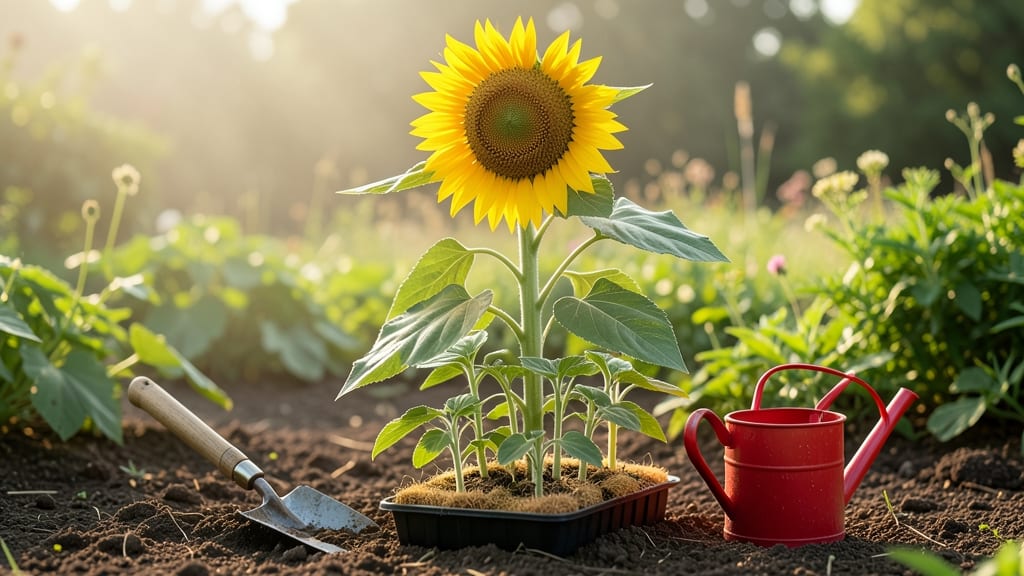
Planting sunflowers in East Texas after your last frost date — typically mid-March — unlocks their full potential for towering 🌻 stalks and vibrant blooms.
Here’s the catch: those late-winter frosts can still sneak in, and planting too early means stunted growth or worse. But get the timing right, and you’ll enjoy sunflowers reaching 10 feet or taller by late summer, outshining even the toughest Texas heat.
East Texas gardeners in Zone 8a/8b have a 6-week window to start seeds — from late February to early May — but soil temperature matters just as much as the calendar. Too cold, and germination stalls; too hot, and seedlings bolt before flowering.
Below, I’ll break down the exact frost-free timeline, soil prep tips, and the best sunflower varieties for your region — so you can avoid the common mistakes that leave your garden with short, scraggly stalks instead of showstopping blooms.
Best planting windows for sunflowers in East Texas Zones 8a/8b
East Texas gardeners enjoy a long growing season perfect for sunflowers, but timing matters—plant too early and risk frost damage, too late and blooms arrive after summer’s peak heat.
In Zones 8a/8b, your last frost typically falls around March 15, but microclimates near wooded areas or low spots can delay this by weeks. The key is planting when soil temperatures hit 60°F+ consistently, ensuring fast germination and strong stems.
For direct-sown seeds, my ideal window stretches from mid-March through early May. This gives plants 80-100 days of warm weather to mature before fall’s first chill.
Transplants, however, need a head start—sow indoors in late February for hardened-off seedlings ready by March 1st. East Texas’ humidity also demands quick action: sunflower seeds rot if planted in cold, wet soil.
Soil temperature is your best guide—use a soil thermometer to confirm readings above 60°F at 2-inch depth. In Zone 8a (e.g., Tyler), this usually aligns with late March, while Zone 8b (e.g., Beaumont) may reach it by mid-March. Pro tip: Warm the soil faster by covering beds with black plastic mulch 1-2 weeks before planting.
| Planting Method | Ideal Planting Window | Soil Temp Threshold | Germination Time | Notes for East Texas |
|---|---|---|---|---|
| Direct Sowing | Mid-March to early May | 60°F+ (2-inch depth) | 7–14 days | Plant 1" deep, 6" apart; thin to 12" for giants |
| Transplants | Late February (indoors) → March 1st (outdoors) | 55°F+ (hardened off) | 10–14 days | Use biodegradable pots; avoid disturbing roots |
| Late Summer Succession | Early June (dwarf varieties) | 65°F+ | 10–12 days | Choose 'Teddy Bear' or 'Moulin Rouge'; harvest before frost |
🌱 East Texas Tip: Test soil pH (6.0–7.5 ideal) and amend with compost before planting.
My first-choice window is March 15–April 15, balancing frost risk and summer heat. Planting in late April risks bolting (rapid stem elongation) before full bloom, while February sowings often rot in cold, wet soil.
For transplants, start seeds indoors under grow lights in late February—they’ll need 4–6 weeks to develop strong roots before outdoor transplanting.
East Texas’ humidity and heat demand extra care. After planting, maintain 1–2 inches of mulch to retain moisture and prevent fungal diseases like powdery mildew. Water deeply once a week (more in June–August) at the base of stems to avoid wetting leaves.
Dwarf varieties like 'Teddy Bear' tolerate drier conditions better than towering 'Russian Giants'.
Don’t overlook late summer succession planting! In early June, sow dwarf varieties (1–3 ft tall) for fall blooms. These sunflowers mature in 60–70 days, giving them time to flower before November’s first frost.
This strategy extends your harvest window and adds color to autumn gardens when many plants fade.
For maximum height, prioritize early March plantings. Giant varieties like 'Russian Giant' need 100+ frost-free days to reach their full 10–14 ft potential.
If you miss the spring window, consider container growing—move pots indoors before frost or use row covers to extend the season. Just ensure containers have
How to adjust sunflower planting for East Texas’ unpredictable weather
East Texas’ weather is famously fickle—one week brings unexpected late frosts, while the next delivers scorching heatwaves that can stress young sunflowers. To maximize your blooms, I’ve learned to adapt planting strategies based on real-time conditions.
The key is flexibility: staggered planting, shade protection, and choosing varieties that handle heat better than others.
Start by monitoring soil temperatures—they’re the real indicator, not just calendar dates. Sunflowers need soil at at least 60°F to germinate well. In my garden, I’ve had seeds rot when planted too early in March, even after the last frost.
A soil thermometer is your best friend here—don’t guess!
⚠️ WARNING: Late Frost Risks in East Texas ⚠️
For heatwave protection, I’ve had great success with 30% shade cloth over young plants during 100°F+ days. This prevents bolting (where plants shoot up too fast with poor stems) and keeps the soil cooler.
Just remove the cloth once plants reach 12 inches tall—they’ll need full sun to develop strong stems and big blooms. Pro tip: Use black shade cloth—it blocks more heat than silver.
Drought is another East Texas wildcard. Once established, sunflowers are drought-tolerant, but young seedlings need consistent moisture. I water deeply every 5-7 days during dry spells, aiming for 1-2 gallons per plant.
Mulching with straw or wood chips helps retain moisture and keeps roots cool. For extra insurance, choose drought-resistant varieties like ‘Autumn Beauty’ or ‘ProCut’—they handle heat better than standard types.
Timing your harvest is just as critical as planting. In East Texas, sunflowers planted in late May often bloom in September, just before fall’s first chill. Watch for petals drooping and seeds turning dark—these are your cues to harvest.
If you miss the window, you’ll end up with frost-damaged heads that won’t store well. For a second crop, try planting ‘Teddy Bear’ dwarf varieties in late June—they mature faster and often survive until October.
Finally, don’t overlook wind protection. East Texas’ summer breezes can snap tall stems before they bloom. I stake my ‘Russian Giant’ varieties with bamboo stakes and tie them loosely as they grow.
This small effort prevents broken stems and ensures those 6-foot-tall blooms reach their full potential. With these adjustments, you’ll turn East Texas’ unpredictability into longer bloom seasons and healthier plants. 🌻