
How To
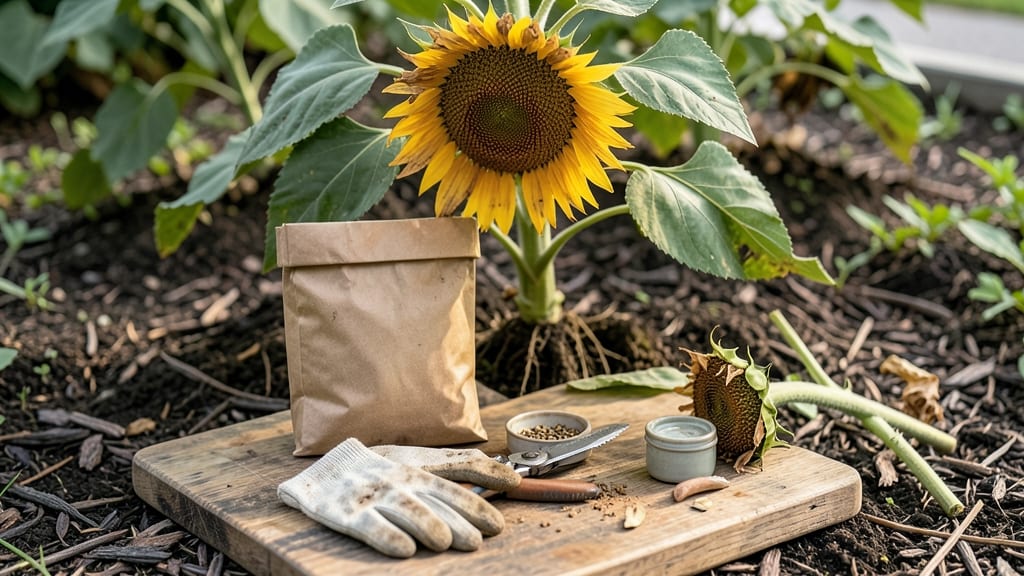
Picking sunflower seeds at the right time means the difference between a bountiful harvest and wasted effort — and the exact days depend on your variety.
Picture this: you’ve waited months for your 🌻 sunflowers to bloom, only to realize the seeds are either too green or already scattered by birds. Timing is everything, and missing the window by even a few days can ruin your crop.
Most sunflower varieties take 90 to 120 days from flower opening to seed maturity, but oil types (like Mammoth) mature faster than confectionary ones (like Russian Giant). The key is watching for the back of the head to turn yellow-brown and seeds to rattle when shaken.
In this guide, I’ll break down the exact days after flowering for popular types, how to test seed readiness, and pro tips to protect your harvest from weather and pests. No more guesswork — just a foolproof schedule for your zone.
Sunflower seed harvest timing by variety: exact days after flower opens
Sunflowers are one of the most rewarding plants to grow, but harvesting seeds at the perfect moment makes all the difference between sweet, flavorful seeds and bitter, wasted effort. The timing varies dramatically by variety—from 50 days for early bird varieties to 120 days for large oil types.
Understanding these differences ensures you don’t miss the harvest window or pick seeds too late.
Most gardeners focus on flower head color changes and seed development stages, but the exact days after flowering depend on the sunflower type. Confectionary varieties like Russian Mammoth need more time than Autumn Beauty or Moulin Rouge.
Below, I’ve broken down the precise timing for the most popular varieties, so you can plan your harvest like a pro.
| Variety Type | Common Varieties | Days After Flower Opens | Harvest Window | Key Visual Cues |
|---|---|---|---|---|
| Confectionary (Edible Seeds) | Russian Mammoth, Teddy Bear, Autumn Beauty | 80–120 days | Late August–October | Back of head turns golden-yellow, seeds rattle when shaken |
| Oil (Non-Edible Seeds) | Moulin Rouge, ProCut, SunGold | 60–90 days | Mid-August–September | Petals fully fallen, dark brown/black seed shells |
| Bird & Wildlife | Autumn Beauty, Giant Russian, Mammoth | 50–70 days | Late July–August | Heads turn tan/brown, seeds loose and dry |
| Dwarf Varieties | Teddy Bear, Sunspot, Little Becka | 65–85 days | Early August–September | Back turns light brown, seeds firm and dry |
For confectionary sunflowers, like Russian Mammoth, patience is key. These varieties take the longest—up to 120 days after flowering—to reach peak maturity. The back of the flower head should turn a golden-yellow color, and the seeds inside should rattle when you gently shake the head.
If you harvest too early, the seeds will be green and bitter; too late, and they’ll shatter or attract pests.
Oil-type sunflowers, such as Moulin Rouge, are faster but still require attention. Aim to harvest them 60–90 days after flowering. Look for dark brown or black seed shells and petals that have completely fallen off.
These seeds are ideal for pressing oil but aren’t edible raw. If left too long, the heads may split open, scattering seeds before you’re ready.
Bird and wildlife varieties, like Autumn Beauty, are the quickest to mature, often ready in just 50–70 days. These sunflowers are perfect for attracting birds but also great for early harvests.
The key is to watch for the heads to turn tan or brown and the seeds to become loose and dry. If you’re growing these for bird feeders, harvest when the seeds are fully dry to prevent mold.
Dwarf varieties, such as Teddy Bear, are ideal for containers or small gardens. They mature in 65–85 days and are easier to manage. Harvest when the back of the head turns light brown and the seeds rattle inside.
These are often used for edible seeds, so timing is crucial to avoid bitterness or overripening.
Pro tip: Use a paper bag to cover the flower head once you notice the back turning color. This prevents birds and squirrels from stealing your seeds while allowing the head to dry naturally. Check daily for seed readiness—if the seeds rattle loudly when shaken, they’re ready to harvest.
Regional differences can slightly alter harvest timing. In warmer climates, like USDA Zone 9 or 10, sunflowers may mature faster, while cooler zones (Zone 4–6) might extend the timeline. Always monitor weather conditions—dry, sunny days are ideal for harvesting to prevent mold or rot.
Once you’ve mastered the timing, harvesting sunflower seeds becomes a breeze. With the right variety and a keen eye for color changes and seed development, you’ll enjoy a bountiful harvest year after year.
How to test sunflower seed readiness: 3 non-negotiable signs of perfect harvest time
Counting days after flowering won't always tell you when sunflower seeds are truly ready to harvest. Instead, focus on three visual and tactile cues that reveal perfect maturity. These signs help you avoid bitter, underdeveloped seeds or overripe, shriveled ones—both of which ruin flavor and usability.
Mastering these indicators ensures you harvest seeds at their peak, whether for planting or snacking.
Many gardeners make the mistake of harvesting too early, assuming seeds are ready just because the flower head looks mature. Others wait too long, letting seeds dry out completely on the stalk, which makes them brittle and difficult to store.
The key is balancing these three non-negotiable signs of readiness: back-of-head color, seed shell hardness, and the shake test. Let's break down each one.
🌻 3 Signs Your Sunflower Seeds Are Ready for Harvest
-
1. Back-of-Head Turns Yellow-Brown
The dry, papery disk at the center of the flower head should transition from green to a straw-yellow or tan color. This indicates the seeds are fully developed and ready for harvest. -
2. Seed Shells Feel Hard and Dry
Press a seed gently with your fingernail—it should feel firm and dark brown/black, not soft or green. Soft seeds won’t store well and may spoil quickly. -
3. The 'Shake Test' Confirms Dryness
Hold the flower head and give it a gentle shake. If seeds rattle loudly inside, they’re ready. If they stay silent, wait 3-5 more days for full maturity.
To avoid common mistakes, always check these signs before harvesting. For example, some varieties like 'Autumn Beauty' may look mature but still have soft seeds if harvested too early.
Similarly, overripe seeds lose moisture and become brittle, making them difficult to store. Test a few seeds from different heads to confirm readiness across your entire crop.
If you're harvesting for bird feed, aim for seeds that are fully dry but not shriveled. For planting seeds, prioritize seeds that are hard, dark, and fully mature—these will have the highest germination rates.
Store harvested seeds in a cool, dry place (like a paper bag in your pantry) to maintain freshness until planting.
Timing your harvest correctly also depends on your local climate. In humid regions, seeds may dry faster and require earlier harvesting. In dry climates, they might need extra time on the stalk.
Always monitor weather forecasts—harvest during dry, sunny days to prevent mold or premature seed loss.
Once you’ve confirmed all three signs, cut the flower head from the stalk, leaving a 1-2 inch stem attached. Hang the heads upside down in a dry, well-ventilated area (like a garage or shed) for 1-2 weeks to finish drying.
This final step ensures seeds are completely dry before storage, preventing mold and extending shelf life.