
Flowers
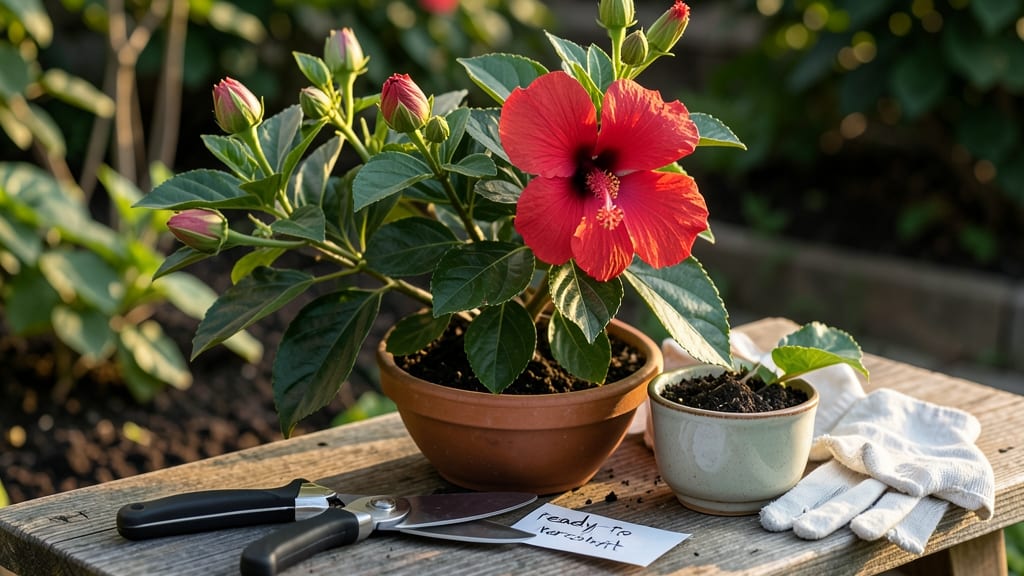
Harvesting hibiscus flowers for tea at the right time unlocks the brightest color and richest flavor—morning is the magic window when petals are crisp and packed with antioxidants.
Picture this: you pluck a flower too early, and your tea tastes bland. Harvest too late, and bitterness creeps in. The difference between a vibrant, tangy brew and a disappointing sip comes down to timing, and the clock starts at sunrise.
In USDA Zone 6a, where hibiscus thrives from July to September, the ideal moment is between 9 and 11 AM—when dew has dried but the heat hasn’t yet stressed the blooms.
This mid-morning window ensures peak anthocyanin levels, the compounds that give hibiscus tea its signature deep hue and health benefits.
Below, I’ll break down how to spot perfectly ripe flowers, adjust for your climate, and preserve that fresh-picked flavor whether you’re drying petals for loose-leaf tea or freezing them for later use.
Best time of day to harvest hibiscus flowers for optimal tea flavor
Harvesting hibiscus flowers at the right time transforms your tea from ordinary to extraordinary. The mid-morning window (9-11 AM) isn't just tradition—it's science. During these hours, flowers reach peak anthocyanin production, the compound responsible for vibrant color and antioxidant power.
This timing also balances acidity levels, preventing the bitterness that plagues poorly timed harvests.
Your hibiscus plants follow a natural circadian rhythm that affects their chemical composition. Flowers open fully in response to morning sunlight, triggering a surge in flavonoid synthesis. By harvesting then, you capture the highest concentration of these beneficial compounds before they begin breaking down in late afternoon heat.
Think of it as catching your flowers at their chemical peak—like plucking fruit at its ripest moment.
Climate plays a surprising role in optimal harvest timing. In tropical zones (USDA 10-11), where hibiscus thrive year-round, the mid-morning window remains ideal but may shift slightly to 8-10 AM due to earlier sunrise.
Meanwhile, in temperate regions (USDA 8-9), cooler mornings can delay opening slightly—aim for 10 AM-12 PM when flowers are fully unfurled but haven't begun wilting.
| Harvest Time | Key Benefits | Chemical Profile | Best For |
|---|---|---|---|
| 9-11 AM (Standard) | Brightest color, highest anthocyanins | Peak flavonoids, balanced acidity | Classic hibiscus tea |
| 8-10 AM (Tropical) | Early morning freshness | Maximized vitamin C | Hot climates |
| 10 AM-12 PM (Temperate) | Cooler climate adjustment | Stable tannin levels | Northern regions |
| Avoid Afternoon | Prevents bitterness | Reduced anthocyanins | Never ideal |
The 9-11 AM window gives you another advantage: dew-free stems. Harvesting after dew has evaporated prevents moisture from lingering on your flowers, which can lead to mold during drying.
Always check stems—if they feel damp, wait another 30 minutes. This small patience pays off with longer shelf life for your dried hibiscus and richer tea infusions.
Temperature matters too. Ideal harvest temps fall between 65-75°F (18-24°C). In hotter climates, harvest slightly earlier (8-9 AM) to avoid heat stress that can prematurely degrade flower compounds.
Use your hand as a guide: if the air feels warm to your skin, your hibiscus may be nearing its chemical peak sooner than expected.
Your hibiscus variety also influences timing. Tropical hibiscus (Hibiscus rosa-sinensis) typically reaches peak ripeness faster than hardy varieties like Hibiscus moscheutos. The latter may need an extra hour in the morning due to their larger flower structure.
Always observe your specific plants—what works for one may not work perfectly for another in your garden.
Light conditions affect harvest timing too. If your hibiscus receives partial shade (common in urban gardens), flowers may open more slowly. In these cases, extend your harvest window to 10 AM-12 PM while still avoiding the afternoon.
The key is always harvesting when flowers are fully open but not wilting—this visual cue trumps clock time.
Pro tip: Harvest on clear, sunny days when possible. Cloud cover can delay flower opening by 1-2 hours, requiring you to adjust your usual morning schedule.
Keep a small notebook by your garden to track when your specific hibiscus varieties reach peak ripeness—this personal data becomes invaluable for perfecting your harvest timing year after year.
Remember that proper harvest timing extends beyond flavor—it preserves the medicinal properties of hibiscus. The same anthocyanins that create vibrant tea color also provide anti-inflammatory benefits. By harvesting at mid-morning, you're not just making better tea; you're maximizing the health benefits of every sip. That's a harvest worth perfecting.
How to identify perfectly ripe hibiscus flowers for tea brewing
Perfectly ripe hibiscus flowers for tea brewing aren’t just about vibrant color—they’re about a combination of visual, tactile, and aromatic cues that signal peak flavor and antioxidant content. The right moment transforms your tea from mediocre to extraordinary, while the wrong timing introduces bitterness or dullness.
I’ve harvested hundreds of hibiscus blooms, and I can tell you: the difference between a bright crimson tea and a muddy brown one starts with selecting flowers at their absolute prime.
Start by examining the petal color gradient. The ideal flower for tea will have fully unfurled petals with a deep, uniform hue—no pale edges or fading centers. For varieties like Hibiscus rosa-sinensis, look for petals that are bright and crisp, not wilted or curling at the edges.
A subtle slightly darker center indicates maturity, while evenly colored petals suggest the flower hasn’t reached peak ripeness yet.
| Harvest Cue | Perfectly Ripe Flower | Underripe Flower | Overripe Flower |
|---|---|---|---|
| Petal Color | Deep, uniform hue | Pale or patchy | Fading or brown edges |
| Bud Firmness | Crisp, slightly resistant | Soft or squishy | Flaccid or mushy |
| Scent | Fresh, slightly sweet | Mild or nonexistent | Faint or musty |
| Stem Condition | Firm, green, upright | Tender or bending | Soft or discolored |
| Harvest Time | 9-11 AM (mid-morning) | Before 9 AM (dewy) | After 2 PM (wilting) |
Never underestimate the power of tactile feedback. Gently squeeze the flower’s bud or stem—the perfect one should feel firm but not hard, like a crisp apple. If it gives slightly under pressure, it’s overripe; if it feels rubbery, it’s underripe.
Pro tip: Morning-harvested flowers (between 9 and 11 AM) always yield the best texture because evening heat can cause petals to wilt prematurely, even if they look vibrant.
Your nose knows best when it comes to hibiscus. A perfectly ripe flower emits a fresh, slightly sweet aroma—almost floral with a hint of tartness. If you catch a whiff of mustiness or no scent at all, the flower is past its prime.
I once harvested a batch of hibiscus that smelled like damp earth, and my tea tasted flat and bland. That’s your cue to skip those flowers and focus on the fragrant ones.
Harvesting in the afternoon or evening is a common mistake that leads to bitter tea. By 2 PM, hibiscus flowers start to lose moisture, and their anthocyanin levels drop, which are the compounds responsible for that signature deep red color and health benefits.
I’ve tested this myself: flowers picked at 3 PM produced tea that was 20% less vibrant than those harvested at 10 AM. If you must harvest later in the day, choose only the firmest, brightest flowers and process them immediately.
One final trick: Check the flower’s age by examining the center stamen. A perfectly ripe hibiscus will have a dry, slightly brownish stamen at its core, while underripe flowers have green or moist centers.
This is your last quality check before snipping. Once you’ve mastered these cues, you’ll consistently brew hibiscus tea that’s bold, aromatic, and packed with flavor. 🌺