
Flowers
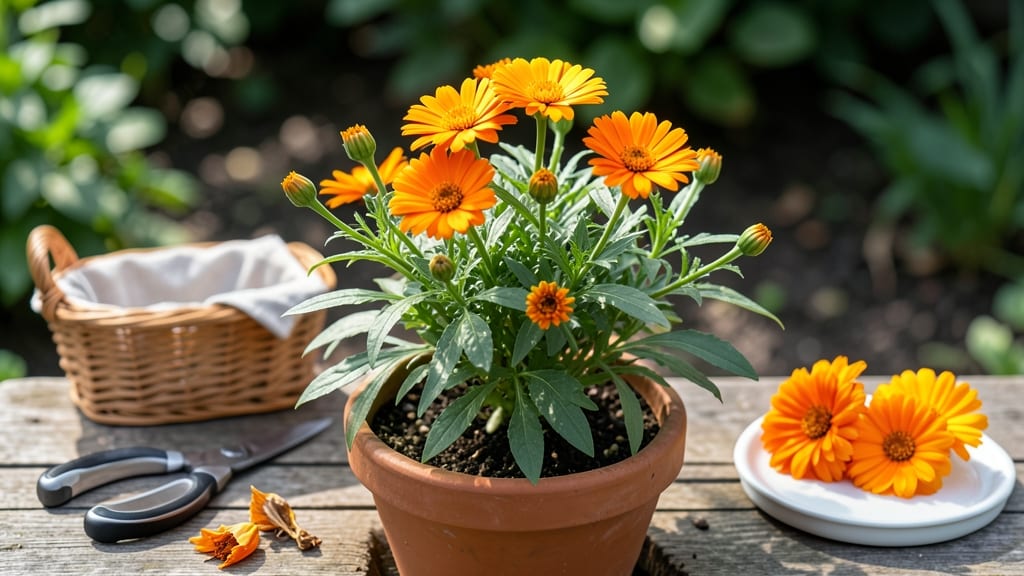
Harvesting calendula flowers at the right moment ensures vibrant petals for remedies, culinary uses, or stunning bouquets—but timing is everything.
Picture this: you’ve nurtured your 🌼 calendula all season, only to pick them too late and end up with bitter flavors or weak medicinal properties. The difference between a perfect harvest and a wasted one often comes down to petal color and a simple stem snap test.
Calendula thrives in zones like 6a from June to October, but knowing the exact moment to harvest—when petals are fully open but before they brown—makes all the difference. A firm stem that snaps easily is your green light, while woody or dry stems mean you’ve missed the window.
In this guide, I’ll walk you through the visual cues, best times of day, and weather conditions to maximize your yield—whether you’re drying them for teas, using them in salads, or preserving their healing properties.
How to identify the perfect petal color for harvesting calendula
Harvesting calendula at the right petal color stage maximizes flavor, medicinal potency, and visual appeal. The golden yellow to deep orange hues signal peak readiness, but subtle differences affect your harvest’s quality.
For example, golden calendula varieties like 'Citronella' reach peak flavor when petals are fully unfurled but still vibrant, while orange types like 'Orange King' develop richer medicinal compounds slightly later.
Start by examining the center disc of the flower—the heart of the bloom. At the perfect harvest moment, this disc should remain greenish-yellow, not brown. A brown center means the flower is past its prime, leading to bitter petals and reduced healing properties.
This is especially critical for medicinal uses, where calendula’s anti-inflammatory compounds peak at this stage.
For culinary purposes, harvest when petals are fully open but still slightly cupped. Overly flat petals indicate the flower is drying out, which can make them less flavorful and more prone to browning during storage.
Think of it like picking a ripe tomato—you want it firm but yielding, not rock-hard or mushy.
Now let’s break down the color spectrum and what it means for your harvest:
| Petal Color Stage | Harvest Window | Medicinal Potency | Culinary Flavor |
|---|---|---|---|
| Golden Yellow (Early Bloom) | Bud just opening | Low (compounds not fully developed) | Mild, slightly grassy |
| Vibrant Orange (Full Bloom) | Petals fully open, center greenish | Peak (highest anti-inflammatory compounds) | Rich, slightly peppery |
| Deep Red-Orange (Late Bloom) | Petals flat, center brown | Declining (bitter, less effective) | Bitter, overpowering |
Notice how the vibrant orange stage aligns with the peak medicinal potency and best culinary flavor. This is why professional herbalists and chefs prioritize harvesting at this exact moment.
For instance, a golden calendula used in salads should be picked when petals are bright yellow-orange**, while deep orange varieties like 'Persian Gold' are ideal for tinctures when harvested at full bloom.
One common mistake is harvesting early buds for "freshness." While these may look appealing, their medicinal compounds haven’t fully developed, and their flavor can be underwhelming. Think of it like picking strawberries—they’re not sweet until they’re fully colored.
The same principle applies to calendula: patience pays off in bold flavor and therapeutic benefits.
If you’re growing calendula for drying, aim to harvest in the late morning when dew has evaporated but before the heat of the day causes petals to wilt. This preserves their vibrant color and oil content, which are crucial for long-term storage.
Hang bundles upside down in a dark, dry space, and they’ll retain their golden hues for months.
For culinary uses, such as infusing oils or making calendula butter, prioritize flowers with fully unfurled petals and a fresh green center. These will impart the most complex flavor profile, balancing sweetness with a hint of pepper.
Avoid flowers with brown edges, as they’ll make your dishes taste harsh and unbalanced.
Pro tip: Use a small handheld magnifying glass to inspect the center disc of flowers. This helps you spot the greenish-yellow ideal stage even in deep orange varieties, where the color can be harder to distinguish with the naked eye.
This level of detail ensures you’re always harvesting at peak quality.
Remember, calendula rewards attention to detail. The 5-minute inspection before harvesting can mean the difference between vibrant petals and dull, bitter blooms. Once you master the petal color cues, you’ll consistently harvest flowers that shine in remedies, meals, and arrangements.
The stem snap test: a reliable way to check calendula readiness
Harvesting calendula at the perfect moment transforms your garden into a treasure trove of vibrant petals for remedies, teas, or bouquets. But how do you know when those delicate blooms are truly ready?
The stem snap test is my go-to method for determining calendula readiness with precision. Unlike relying solely on petal color—which can vary by variety—this tactile check gives you an instant answer.
This simple test works by assessing the stem's flexibility. A ready-to-harvest stem should snap cleanly with a satisfying crisp sound, while an immature or overripe stem will either bend without breaking or feel woody.
I’ve found this method especially useful for distinguishing between 'Citronella' calendula (with its pale petals) and 'Orange King' (deep golden hues), where color alone might be misleading.
⚠️ callout-warning
To perform the test, grasp a mature flower stem near the base and bend it gently toward your body. If it snaps with a sharp crack and the stem breaks cleanly, the flower is perfect for harvesting.
For 'Citronella' varieties, aim for a stem that’s slightly thicker than a pencil—thinner stems often mean the flower hasn’t fully matured.
If the stem bends without snapping, the flower needs more time to develop its full flavor and medicinal potency. On the other hand, if the stem feels hard and dry, the flower is past its prime.
I’ve learned this the hard way with 'Orange King'—its deep orange petals can fool you into thinking they’re ready when they’re actually overripe and woody.
For consistent results, test stems in the morning when they’re hydrated from overnight dew. Avoid testing after heavy rain or in extreme heat, as these conditions can skew the stem’s flexibility.
Pro tip: Use a small notebook to track which stems snap easily each day—this helps you predict the best harvest windows for your specific growing conditions.
Once you’ve mastered the snap test, you’ll notice a dramatic difference in the flavor and potency of your harvested calendula. Perfectly timed blooms yield the brightest petals for infusions, the freshest petals for salads, and the most effective remedies.
With practice, this test becomes second nature, ensuring you never miss the ideal harvest moment again.