
Blooming
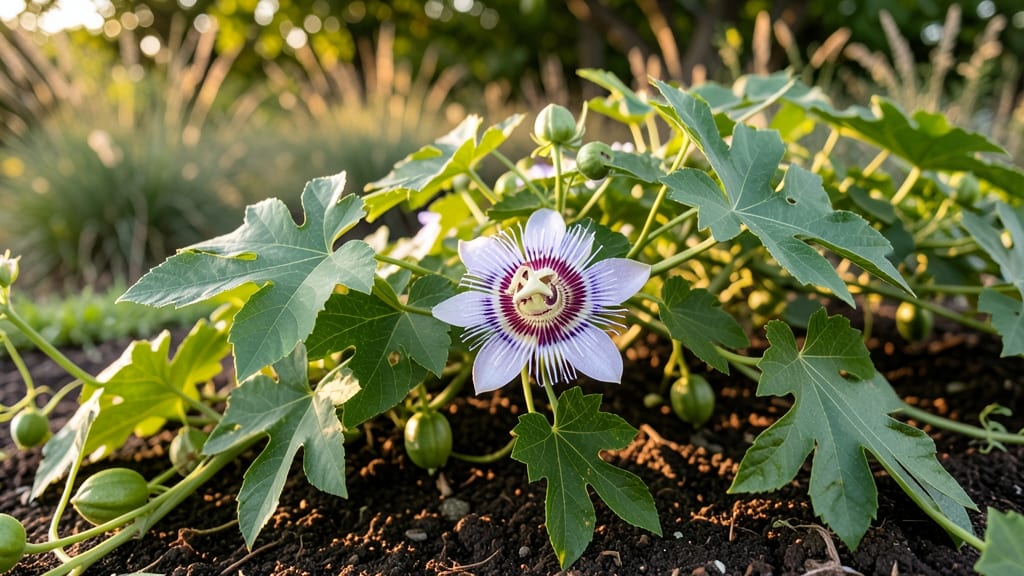
Passionfruit flowers bloom most prolifically in late spring through early summer 🍈, but the exact timing depends on your climate zone and variety.
If you’ve ever waited month after month for those showstopping purple blooms—only to find your vine stubbornly bare—you’re not alone. The key lies in understanding how temperature, sunlight, and even last year’s growth patterns trigger flowering.
In Zones 10-12, where passionfruit thrive year-round, expect flowers to appear as early as February, with peak blooming stretching into June. Cooler Zone 9b gardens, however, may see delayed flowering until April or May, especially if winter protection was minimal.
Below, I’ll break down the exact months passionfruit flower in your area, plus 3 proven tricks to coax blooms faster—whether your vine is young or established.
Passionfruit flowering timeline by USDA climate zones
Timing is everything when growing passionfruit (Passiflora edulis), and your USDA zone dictates when those iconic purple flowers will appear. In frost-free zones (10-11), flowering can happen year-round, while cooler zones (8-9) see peak blooms in spring and fall.
Understanding these patterns helps you adjust care for optimal flowering and fruit production.
Tropical varieties like P. edulis thrive in Zones 10-11, where warm temperatures trigger continuous blooming. Subtropical types in Zones 8-9 need cooler winters to reset growth cycles, leading to seasonal flowering spikes.
Sunlight exposure, vine maturity, and temperature all play critical roles in when those fragrant blossoms will emerge.
Key indicators of impending flowering include new shoots with leaf nodes, increased vine vigor, and the appearance of buds along the stems. In Zone 11, you might see flowers year-round, while Zone 8 vines may wait until spring after winter dormancy. Let’s break down the exact months for each zone.
| USDA Zone | Primary Flowering Months | Secondary Blooms | Temperature Trigger | Vine Maturity Needed |
|---|---|---|---|---|
| Zone 8 | March–May, September–November | Scattered blooms in summer | 50–75°F (10–24°C) | 2+ years old |
| Zone 9 | February–June, August–October | Year-round in mild winters | 60–85°F (15–29°C) | 1–2 years old |
| Zone 10 | January–December (peaks spring/fall) | Continuous light blooms | 70–90°F (21–32°C) | 1 year old |
| Zone 11 | Year-round (heaviest Jan–May) | None (consistent blooms) | 80–100°F (27–38°C) | 6–12 months old |
*Tropical varieties flower faster in warm climates; subtropical types need seasonal temperature shifts.
In Zone 8, passionfruit vines typically flower in late winter to early spring (March–May) after breaking winter dormancy. A second flush occurs in fall (September–November) as temperatures cool. Sunlight exposure is critical—vines need 6+ hours of direct sun daily to trigger blooming.
Without enough light, buds may fail to open.
Gardeners in Zone 9 enjoy a longer flowering window, with primary blooms from February to June and a secondary wave in late summer (August–October). The subtropical climate allows for year-round growth, but cooler winter nights (below 60°F) can stimulate heavier flowering.
Prune lightly in late winter to encourage new growth and more flowers.
For those in Zones 10–11, passionfruit vines can flower year-round, though spring (January–May) often sees the heaviest blooms. The consistent warmth eliminates seasonal dormancy, but temperature fluctuations (like brief cool spells) can trigger synchronized flowering. Young vines may take 6–12 months to produce flowers, so patience is key.
Temperature plays a critical role in flowering timing. Tropical varieties in Zones 10–11 thrive with consistent warmth (70–90°F), while subtropical types in Zones 8–9 need cooler winters (50–60°F) to reset their growth cycle.
If your vine isn’t flowering, check for temperature stress—too much heat or cold can delay blooms.
Another key factor is vine maturity. Young passionfruit vines (under 1 year old) focus energy on growth, not flowering. In Zone 11, you might see flowers as early as 6 months, but Zone 8 vines often need 2+ years to mature enough for blooms.
Provide balanced fertilizer (5-10-10 NPK) in spring and fall to support flowering.
Watch for bud formation along the vine’s new shoots. These small green bumps will swell into flowers within 2–4 weeks, depending on temperature. In cooler zones (8–9), buds may take longer to open due to slower metabolic activity.
If buds appear but don’t open, it could signal low humidity or nutrient deficiencies.
To encourage earlier flowering,
How to encourage passionfruit blooms faster (climate-specific tips)
Passionfruit vines thrive in warm climates but often struggle to bloom on schedule. The key to faster flowering lies in understanding your local climate zone and adjusting care accordingly.
In hot climates like Florida or California, vines may bloom year-round, while in cooler subtropical zones like Australia’s, they often need a winter dormancy period to trigger spring blooms. Let’s break down the best strategies for your region.
First, pruning is critical—but timing matters. In hot climates, prune lightly in late winter to remove dead growth and encourage new shoots. In cooler zones, wait until late spring after the last frost to avoid damaging tender new growth.
Over-pruning can stress the vine and delay flowering, so aim for 20-30% of the vine’s volume at a time.
🌱
Fertilizer choices make a huge difference in flowering. Passionfruit vines need phosphorus-rich fertilizer (like 5-10-10) to encourage blooms, but too much nitrogen will send your vine into leafy overdrive. I recommend applying fertilizer every 4-6 weeks during the growing season, with a heavier dose in early spring to kickstart flowering.
In hot climates, you can fertilize year-round, but in cooler zones, stop fertilizing in late summer to prepare for dormancy.
Watering is another common mistake that delays blooms. Passionfruit vines love moisture but hate soggy roots. In hot climates like California or Florida, water deeply every 2-3 days to keep the soil consistently moist.
In cooler subtropical zones, reduce watering in winter to mimic natural dormancy conditions. Overwatering can lead to root rot, which weakens the vine and reduces flowering.
Finally, pollinators are essential for fruit set. If your vines are blooming but not fruiting, you may need to hand-pollinate with a small brush.
In hot climates, native bees and butterflies usually do the job, but in cooler regions, you might need to attract pollinators with native flowering plants like sunflowers or lavender.
With these climate-specific adjustments, your passionfruit vine should bloom faster and produce a bountiful harvest—just in time for summer! 🌿