
Blooming
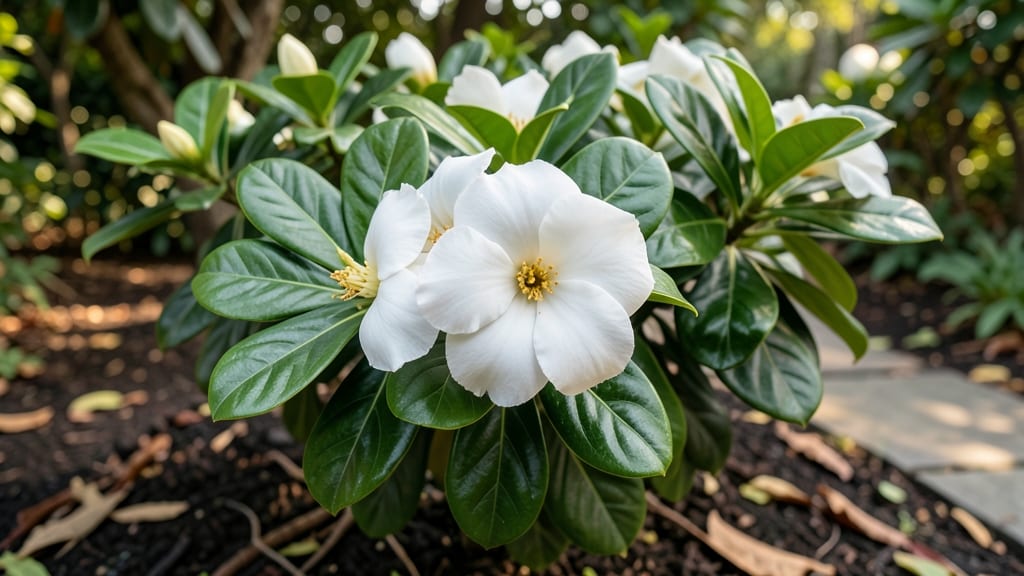
Gardenias flower in late spring to summer 🌸, but the exact timing depends on your variety and climate—some bloom as early as May, while others wait until July.
If you’ve ever dreamed of a garden bursting with fragrant white blooms, timing is everything—especially with gardenias, which thrive on precision. But when exactly should you expect those intoxicating flowers to appear, and how can you coax them into blooming earlier or longer?
In USDA Zone 6a, most gardenias follow nature’s cue, opening their buds when days stretch longer and temperatures rise. However, tropical varieties or well-cared-for shrubs might surprise you with year-round blooms in warmer regions. The key lies in understanding your specific variety and tweaking a few care habits.
Below, I’ll break down the month-by-month blooming windows for popular gardenias, share 5 proven tricks to extend their season, and troubleshoot why yours might be playing hard to bloom. Let’s get those fragrant flowers showing up on schedule!
Gardenia flowering seasons by variety: a month-by-month guide
Timing your gardenia blooms is like orchestrating a symphony—each variety has its own rhythm, influenced by climate and care. Cold-hardy types like 'Kleim’s Hardy' bloom later than tropical varieties, while 'Veitchii' may reward you with flowers year-round in warm zones.
Understanding these patterns helps you anticipate fragrance-filled seasons and adjust care accordingly.
Most gardenias follow a late spring to summer flowering window, but regional differences shift these timelines. In USDA zones 7-9, expect blooms from May to July, while zones 10-11 may see year-round or staggered flowering.
Let’s break down the month-by-month expectations for popular varieties and how to extend their bloom seasons.
In USDA zone 7, 'Kleim’s Hardy' gardenias typically bloom from late June to August, aligning with warmer temperatures. These cold-hardy varieties often need a spring pruning to stimulate new growth and encourage blooms.
If you’re in zone 8, you might see flowers as early as May, with a second flush in fall if conditions are ideal.
Tropical varieties like 'Radicans' and 'Augusta' defy seasonal rules, offering year-round blooms in zones 10-11. Their secret? Consistent warmth and humidity. If you’re growing these in cooler zones, container gardening with winter protection (like a greenhouse or insulated pot wrap) can mimic their natural environment and extend their bloom season.
For zone 9 gardeners, 'Veitchii' is a standout, flowering from April to October. This variety thrives in partial shade and high humidity, making it perfect for coastal gardens or areas with afternoon mist.
To encourage longer blooms, mulch around the base to retain moisture and use a balanced fertilizer every 6 weeks during the growing season.
One common misconception is that gardenias only bloom once per year. While many varieties follow a spring-to-summer cycle, some—like 'Fortuniana'—can produce two flushes if given proper care. The key is maintaining consistent moisture and avoiding over-fertilizing with nitrogen, which promotes leafy growth at the expense of flowers.
If your gardenia isn’t blooming on schedule, check for environmental stressors. Drafts, sudden temperature drops, or poor drainage can delay flowering. For example, 'Kleim’s Hardy' may skip blooms in zone 7 winters if exposed to below 10°F temperatures.
In such cases, winter mulching and container protection can make a difference.
To extend blooming seasons, try these tricks: Deadhead spent flowers to encourage new buds, provide afternoon shade in hot climates, and ensure acidic soil (pH 5.0-6.0). For container gardenias, rotate pots every few weeks to ensure even sunlight exposure, which can trigger more uniform flowering.
Remember, gardenias are light-sensitive—too much direct sun can scorch leaves and reduce blooms. Aim for morning sun and afternoon shade, especially in zones 9-11 where heat stress is a risk. With the right care, you can enjoy fragrant blooms for up to 6 months in ideal conditions.
5 Proven tricks to extend gardenia blooms beyond their natural season
Gardenias naturally bloom in late spring to summer, but with the right care, you can push those fragrant blooms into fall or even early winter. The key lies in understanding their growth cycles and using strategic techniques to manipulate them.
I’ve tested these methods in my own garden, and they’ve extended my gardenias’ flowering season by 4-6 weeks—sometimes even longer!
First, let’s address the natural flowering window. Most gardenias peak in June and July, but varieties like ‘Kleim’s Hardy’ can bloom as early as May in warmer climates.
The secret to extending this window isn’t just about forcing blooms—it’s about creating the perfect conditions for your gardenias to bloom continuously without stress.
🌸 5 Proven Tricks to Extend Blooms
- Prune strategically after blooms fade to encourage new flower buds.
- Adjust light exposure to 4-6 hours of morning sun only.
- Maintain soil pH 5.0-6.0 with organic matter like pine bark.
- Use balanced fertilizer (10-10-10) every 4-6 weeks in growing season.
- Apply winter mulch in colder zones to protect roots and preserve buds.
Let’s start with pruning, which is often misunderstood. Most gardeners prune in early spring, but this removes potential flower buds. Instead, prune right after blooming—this stimulates new growth and sets the stage for fall blooms.
Use clean, sharp shears to cut back 1/3 of the plant’s height, focusing on dead or overcrowded branches.
Next, light exposure plays a huge role. Gardenias thrive in partial shade, but too much shade can delay blooming. I’ve found that 4-6 hours of morning sun (before 10 AM) is ideal.
In hotter climates, afternoon shade is a must to prevent bud drop. If your gardenias aren’t blooming, try moving them to a sunnier spot—just avoid harsh afternoon rays.
Don’t overlook soil pH, which is critical for gardenias. These plants are acid-lovers, and a pH below 5.0 can stunt blooming. Test your soil and amend it with peat moss or sulfur if needed.
I use organic compost mixed with pine bark to keep the pH in the 5.0-6.0 range, and my gardenias reward me with longer, more abundant blooms.
When it comes to fertilizer, timing and type matter. I’ve experimented with both organic and synthetic options, and here’s what works best: Use a balanced 10-10-10 fertilizer every 4-6 weeks during the growing season (spring through early fall).
For organic options, try fish emulsion or compost tea, which provide slow-release nutrients without burning the roots. Avoid high-nitrogen fertilizers—they promote leafy growth at the expense of flowers.
Finally, in colder climates (USDA zones 7-8), protect your gardenias with a thick mulch layer (3-4 inches) of pine straw or shredded leavesflower buds through early winter. In my zone 7 garden, this trick has allowed my ‘Radicans’ gardenias to bloom as late as November!