
Flowers
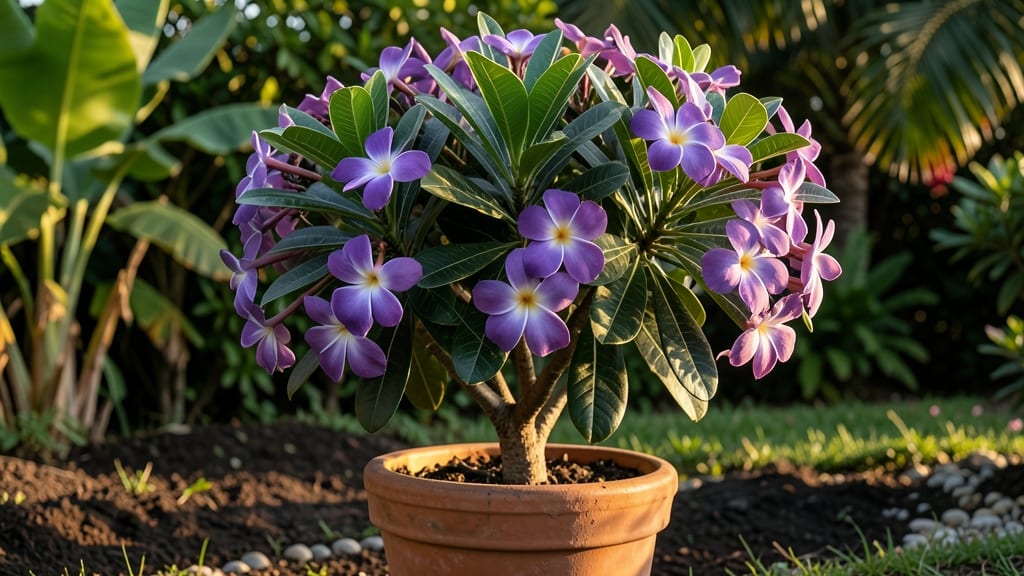
Growing a purple plumeria flower 🌸 is like unlocking a hidden gem in your garden—these stunning blooms are rarer than their white or pink cousins but just as rewarding once you master their care.
Imagine a tropical paradise where cascading purple plumeria flowers transform your garden into a fragrant, Instagram-worthy sanctuary—but did you know these rare varieties are often overlooked in favor of their more common relatives?
If you're in USDA Zones 10-12 (or growing them as container plants in cooler climates), you’re in the perfect spot to cultivate these showstoppers. The key? Mimicking their natural tropical habitat with the right soil, sunlight, and pruning techniques.
In this guide, I’ll share the secrets to nurturing vibrant purple plumeria blooms—from selecting the right variety to troubleshooting common growing challenges—so you can enjoy their intoxicating fragrance year after year.
Rare purple plumeria varieties: names, colors, and where to find them
If you've ever dreamed of a garden bursting with deep purple plumeria blooms, you're not alone—but these varieties are harder to find than their white or pink counterparts.
The Royal Purple and Mauve Queen are just two of the most stunning (and elusive) cultivars that can turn your outdoor space into a fragrant tropical escape.
What makes these purple plumeria varieties so special? Beyond their vibrant, jewel-toned petals, they often boast intense fragrances and unique growth habits. Unlike common white plumeria, these purple varieties require slightly different care—like extra protection from cold snaps and well-draining soil mixes—to thrive.
Let’s dive into the rarest shades and where to source them.
Pro Tip: Purple plumeria are often sold as grafted plants to ensure color consistency, so always ask about grafting methods when purchasing.
The Royal Purple is my personal favorite for its bold, almost royal hue that stands out against lush green foliage. It’s also one of the most fragrant purple varieties, with a scent that lingers in the air long after blooming.
If you’re looking for something more delicate, the Mauve Queen offers a softer, romantic lavender tone that pairs beautifully with white plumeria in mixed borders.
For those who love unique color gradients, the Amethyst Blush variety is a showstopper. Its blush-purple petals with white edges create a stunning ombré effect, and its heavy jasmine fragrance makes it a must-have for evening gardens.
Just be prepared to hand-pollinate if you want to propagate this variety, as its blooms are often sterile.
Where to find these rare gems? Specialty nurseries like Plumeria Hut and Tropical Plant World often carry grafted purple varieties, ensuring color consistency.
For online purchases, Etsy is a goldmine—just filter for sellers with high ratings and detailed photos. Facebook plumeria groups are also great for connecting with growers who share cuttings or seeds of rare cultivars.
If you’re in USDA Zones 10-12, local tropical plant fairs are another fantastic source. Bring a friend and split the cost of a large grafted plant—they’re worth every penny for the stunning visual impact they’ll bring to your garden.
Remember, purple plumeria can be finicky about root health, so always ask about the grafting method used. Root-grafted plants (where the purple variety is grafted onto a stronger rootstock) are more stable than those grown from seed, which can revert to green if not properly maintained.
🌸
How to grow purple plumeria flowers: step-by-step care secrets
Growing purple plumeria flowers is a dream for many gardeners, but their delicate nature demands precision. Unlike their hardier white or pink cousins, these tropical beauties thrive only with the right conditions.
The secret lies in mimicking their native humid, sun-drenched environments while avoiding common pitfalls like overwatering or cold exposure. With the right approach, you'll reward yourself with fragrant purple blooms that last for weeks.
Before diving in, know that purple plumeria varieties like 'Royal Purple' or 'Mauve Queen' are light-sensitive and heat-loving. They demand well-draining soil and bright, indirect light to prevent leaf burn. If you live in USDA Zones 10-12, you can plant them outdoors year-round.
For cooler climates, container gardening is your best bet—just move them indoors before temperatures drop below 50°F.
Step-by-Step Guide to Growing Purple Plumeria
-
Step 1: Choose the Right Location
Select a spot with 6+ hours of direct sunlight and protection from strong winds. Purple plumeria hates shade—it weakens stems and reduces blooms.
-
Step 2: Prepare Well-Draining Soil
Mix cactus/succulent soil with perlite or sand (ratio 2:1) to prevent root rot. Purple plumeria cannot tolerate soggy soil—their roots will suffocate.
-
Step 3: Plant at the Right Depth
Bury the root ball just below soil level—no deeper! Over-planting causes stem rot, while shallow planting weakens the plant.
-
Step 4: Water Deeply but Sparingly
Water only when the top 2 inches of soil are dry. Purple plumeria stores water in its thick stems—overwatering leads to fungal diseases like powdery mildew.
-
Step 5: Fertilize for Vibrant Blooms
Use a balanced 7-9-5 NPK fertilizer every 4-6 weeks during spring and fall. Avoid high-nitrogen fertilizers—they promote leafy growth over flowers.
-
Step 6: Prune for Shape and Health
Trim dead or leggy branches after flowering to encourage new growth. Use sterilized pruners to prevent infections—purple plumeria is prone to bacterial blight.
-
Step 7: Protect from Pests and Cold
Watch for aphids or mealybugs—wipe leaves with neem oil if spotted. In cooler zones, move potted plumeria indoors before 50°F to prevent leaf drop.
One of the biggest mistakes I see with purple plumeria is overwatering in containers. These plants are drought-tolerant once established, but their thick stems store water—soaking them daily leads to root rot.
Always check soil moisture with your finger before watering. Another common error is using regular garden soil, which compacts and suffocates roots. Stick to a fast-draining mix with organic matter like coconut coir.
For maximum blooms, mimic their natural tropical environment. Place a humidity tray nearby or mist leaves lightly in dry climates. Purple plumeria also benefits from a light winter dormancy—reduce watering in cooler months to every 10-14 days and stop fertilizing entirely.
This rest period ensures vibrant spring blooms the following year.
With these care secrets, your purple plumeria will reward you with fragrant, show-stopping blooms that last for weeks. Just remember: sun, drainage, and patience are your best friends in this tropical gardening adventure! 🌸