
Flowers
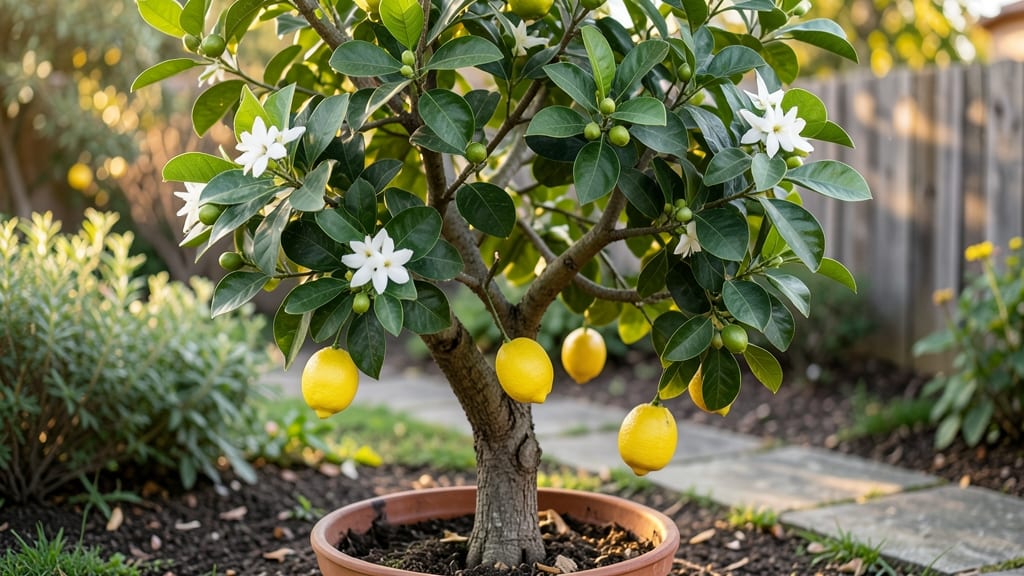
Your lemon tree’s 🍋 flower to fruit journey depends on more than just sunshine—it’s a delicate dance of pollination, timing, and care that determines whether you end up with lemons or empty blossoms.
Picture this: you’ve spent months nurturing your citrus tree, only for the flowers to drop without a trace. That heartbreak happens when pollination fails, and the good news is, it’s often fixable with a few targeted tweaks.
Whether your tree relies on bees, wind, or a little help from you, understanding the process turns frustration into a predictable harvest.
From the moment those white blooms unfurl to the day the first fruit appears, 4 to 6 weeks later, every factor counts. Temperature swings, humidity drops, or even over-pruning can derail the process—but knowing the red flags lets you act fast.
Below, I’ll walk you through the science behind fruit set, the proven tricks to boost production, and how to troubleshoot when things go sideways.
Ready to turn those flowers into a harvest? You’ll learn how to hand-pollinate for guaranteed fruit, spot the early signs of trouble, and keep your tree thriving with minimal fuss—so your kitchen can finally stock up on homegrown lemons.
How lemon tree flowers develop into fruit: the pollination process explained
Your lemon tree’s delicate white flowers are nature’s promise of future fruit—but not every bloom will make it. The transformation from flower to lemon takes 4-6 weeks and depends on perfect timing, pollination, and environmental conditions.
Understanding this process helps you troubleshoot why some flowers drop empty while others develop into juicy lemons.
Lemon trees (Citrus limon) are mostly self-pollinating, but they rely on external factors like bees, wind, or humidity to trigger fruit set. Even with perfect flowers, temperature extremes or pollen viability issues can halt progress. Monitoring your tree’s progress at each stage ensures you intervene when needed.
Key stages include:
- Flowering (2-3 days of bloom)
- Pollination (pollen transfer to stigma)
- Fruit set (ovary swells into a tiny fruit)
- Development (4-6 weeks to mature lemon)
Each phase has distinct visual cues to track.
| Stage | Duration | Visual Cues | Critical Factors |
|---|---|---|---|
| Flowering | 2-3 days | White, fragrant blooms open fully | 60-85°F temps, humidity >50% |
| Pollination | 1-2 days | Pollen grains visible on stigma (tiny white dots) | Bees/wind, pollen viability |
| Fruit Set | 3-5 days | Petals drop; ovary swells to pea-sized bump | Consistent watering, no stress |
| Development | 4-6 weeks | Green fruit grows; seeds form by week 3 | Sunlight, nutrient balance, pest control |
During the flowering stage, your lemon tree produces hundreds of blooms in clusters. Each flower has both male and female parts, but cross-pollination (pollen from one flower to another) often improves fruit quality.
If you notice dropping flowers within 24 hours, it’s a red flag—likely due to poor pollination or stress.
After successful pollination, the ovary swells into a tiny fruit within 3-5 days. This is the fruit set phase, where 50% of failures occur. Common culprits include temperature swings (below 55°F or above 95°F) or nutrient deficiencies like low boron.
If you see aborted fruit (tiny bumps that fall off), adjust care immediately.
The development phase is where your lemons grow from pea-sized to harvestable fruit. Here, consistent sunlight and balanced fertilization (high in potassium) are critical. Monitor for pests like aphids, which can distort young fruit, and thrips, which cause scarring.
By week 4, you’ll see seeds forming inside the fruit—a clear sign of healthy development. If fruit remains green and hard past 6 weeks, it may need more sunlight or calcium. Yellowing skin signals ripeness, but overripe fruit (soft, mushy) means it’s past prime.
Pro tip: Hand-pollinate on cloudy, windless days by gently brushing flowers with a soft paintbrush. This mimics bee activity and boosts fruit set by 30-50% in controlled environments like greenhouses.
🌱
5 Proven pollination tricks to maximize lemon fruit production
Transforming those delicate lemon tree flowers into juicy fruit isn’t just luck—it’s science. Even in ideal conditions, up to 50% of flowers fail to set fruit without the right pollination boost. The good news? With these targeted tricks, you can double—or even triple—your harvest with minimal effort.
Start by understanding that lemons are self-pollinating but benefit from cross-pollination or a little human help, especially in containers or areas with few bees.
Bees are your first line of defense, but they’re not always reliable. Wind can carry pollen too, but it’s inconsistent. That’s why I rely on a mix of natural and hands-on methods to ensure every bloom has a chance.
Whether you’re dealing with a young tree or a mature one struggling to set fruit, these strategies work year after year. The key is timing—most lemon trees bloom in spring and fall, but your local climate may shift that window.
- 1. Hand-Pollinate with a soft brush or cotton swab to transfer pollen between flowers. Do this on dry mornings when humidity is low for best results.
- 2. Plant bee magnets like lavender, marigolds, or basil near your lemon tree to attract pollinators year-round.
- 3. Spray organic pollen boosters like honey water (1 tbsp honey per gallon) or fish emulsion during bloom to enhance pollen viability.
- 4. Adjust pruning timing to avoid removing flowering wood. Prune after harvest (summer/fall) to encourage next year’s blooms.
- 5. Monitor humidity—keep it between 40-60% during bloom to prevent pollen from clumping and failing to transfer.
Let’s start with the easiest trick: hand-pollination. Grab a soft paintbrush or cotton swab and gently brush the stamens (the pollen-producing parts) of one flower onto the stigma (the receptive tip) of another.
This mimics how bees transfer pollen but gives you control, especially in container-grown trees or areas with few pollinators. I do this on dry mornings when humidity is low—pollen sticks better and travels farther when the air is crisp.
Next, turn your garden into a bee buffet. Plant companion flowers like lavender, marigolds, or basil within 10 feet of your lemon tree. These aren’t just pretty—they’re pollinator magnets that keep bees buzzing all season.
Pro tip: Avoid pesticides during bloom, even organic ones, as they can harm bees. If you must spray, do it after sunset when pollinators are less active.
For an extra boost, try an organic pollen spray. Mix 1 tablespoon of honey into a gallon of water and lightly mist the flowers every 3-4 days during bloom. The sugar attracts bees and also enhances pollen viability.
Another option is fish emulsion, diluted to 1 tbsp per gallon, which adds nutrients that support both flower and fruit development. Just avoid spraying directly on open flowers to prevent damage.
Timing is everything when it comes to pruning and pollination. If you prune too aggressively in late winter or early spring, you risk removing next year’s flower buds.
Instead, prune after harvest (summer or fall) to shape the tree and encourage new growth that will bloom the following season. Focus on removing dead or crossing branches while leaving flowering wood intact.
Finally, don’t overlook the power of humidity control. Lemon trees thrive in 40-60% humidity, but anything below 30% can cause pollen to dry out and fail to transfer. Use a humidifier near potted trees or group plants together to create a microclimate.
In dry climates, a light misting in the morning can also help—just avoid wetting the flowers themselves to prevent fungal issues.