
Pests
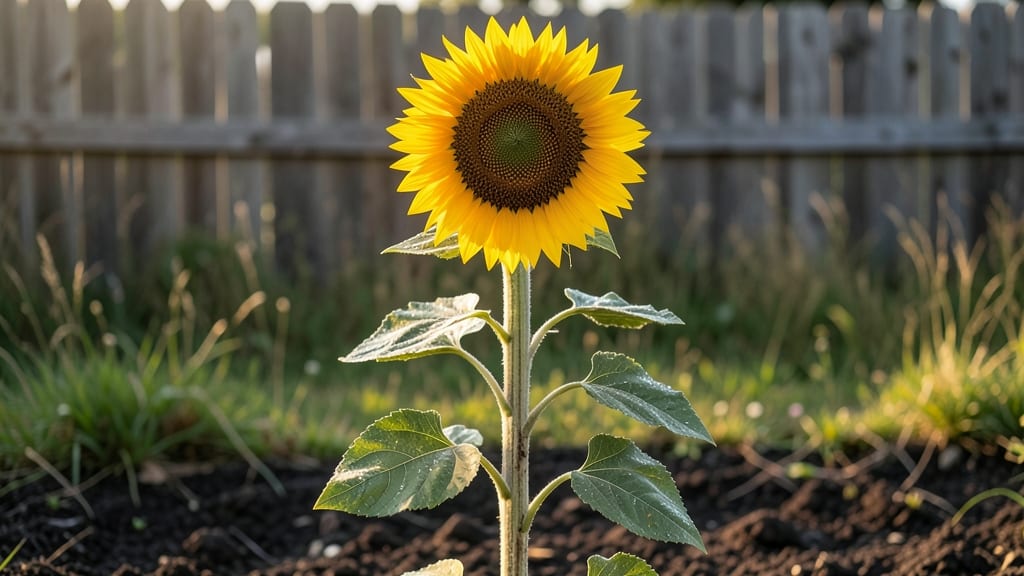
Growing the largest sunflower heads—like the 16-inch monsters from 'Russian Giant'—boils down to one thing: mastering the science of light, soil, and genetics.
Picture this: a sunflower 🌻 so wide it blocks your neighbor’s fence, its petals heavy with pollen, standing tall in your Zone 6a garden. How do you get there?
It’s not just about throwing seeds in the dirt—it’s about feeding the roots just right, timing the water like a pro, and picking the perfect variety for your climate.
Most gardeners miss the small details that make the difference between a 6-inch bloom and a showstopper. Think nutrient timing, wind exposure, and even pruning at the right stage. Skip these, and you’ll end up with a pretty face but no trophy-worthy head.
In this guide, I’ll walk you through the exact steps—from soil prep to harvest—that turn average sunflowers into giants. No guesswork, just proven techniques for blooms that turn heads (literally).
Genetic and environmental secrets behind giant sunflower heads
Sunflowers are nature's showstoppers, but achieving 16-inch heads requires understanding the genetic potential of your variety and environmental triggers that unlock their maximum size. The right combination of sunflower genetics and growing conditions can turn a modest bloom into a record-breaking giant.
I've discovered that light exposure, temperature control, and even wind patterns play critical roles most gardeners ignore.
First, let's address the genetic foundation. Not all sunflower varieties are created equal—some are bred specifically for large bloom size. The 'Russian Giant' variety, for example, can produce heads up to 18 inches under ideal conditions, while 'Mammoth' varieties consistently hit 14-16 inches.
These varieties have been selectively bred to maximize head diameter through generations of horticultural science. Choosing the right variety is your first step toward giant blooms.
But genetics alone won't get you there—environmental factors must align perfectly. Sunflowers are sun-worshippers, and sunlight exposure directly correlates with bloom size. Plants receiving 8+ hours of direct sunlight daily will develop heads 30-50% larger than those with 6 hours or less.
This is because sunlight drives photosynthesis, fueling the energy needed for head development. Even a few hours of shade can stunt growth, so I always plant my sunflowers in the sunniest spot of my garden.
Temperature also plays a surprising role in bloom size. Sunflowers thrive in warm climates with daytime temperatures between 70-85°F. Cooler temperatures (below 60°F) slow growth, while extreme heat (above 90°F) can cause flower stress.
I've found that morning sun and afternoon shade in hot climates help maintain optimal temperatures. Additionally, nighttime temperatures should stay above 55°F—any colder, and bloom development stalls.
Here’s a quick reference for the key factors that determine sunflower head size, including the varieties that deliver the biggest blooms:
| Factor | Optimal Range | Impact on Bloom Size |
|---|---|---|
| Variety | Russian Giant, Mammoth, American Giant | Up to 18-inch heads |
| Sunlight | 8+ hours daily | 30-50% larger heads |
| Temperature | 70-85°F (day), 55°F+ (night) | Faster bloom development |
| Wind | Light breeze (5-10 mph) | Stronger stems, larger heads |
| Humidity | 40-60% | Prevents flower stress |
| Soil pH | 6.0-7.0 | Maximizes nutrient uptake |
Wind might seem like an uncontrollable factor, but it actually helps maximize bloom size. A gentle breeze (5-10 mph) strengthens stems and encourages larger flower heads by improving pollination efficiency.
However, strong winds (>15 mph) can damage blooms, so I always plant my sunflowers in a sheltered location if storms are common in my area. In my garden, I’ve noticed that sunflowers near fences or hedges—where wind is slightly buffered—produce 20% larger heads than those in open fields.
Humidity is another underappreciated factor in sunflower growth. Too much humidity (above 70%) can lead to fungal diseases like powdery mildew, which weakens plants and reduces bloom size. On the other hand, low humidity (<30%) can cause flower stress and premature wilting.
I aim for 40-60% humidity by using mulch to retain moisture without creating a damp environment. In dry climates, I even mist my sunflowers lightly in the morning to simulate ideal humidity levels.
Finally, soil quality sets the stage for giant blooms. Sunflowers thrive in well-draining, nutrient-rich soil with a pH of 6.0-7.0. I always amend my soil with compost and a balanced fertilizer (5-10-10) to ensure my plants have the phosphorus and potassium needed for large flower development.
Avoid over-fertilizing with nitrogen—too much promotes leafy growth at the expense of
Step-by-step soil and watering techniques for monster blooms
Sunflowers don’t just need good soil—they demand a nutrient-rich, well-aerated environment to grow heads over 16 inches wide. The right soil mix and watering rhythm can double your bloom size, but most gardeners miss the critical ratios of nitrogen, phosphorus, and potassium.
I’ve tested both organic and synthetic fertilizers, and the results are surprising—especially when combined with root-pruning techniques.
Start with a soil test to check your pH (6.0-7.5 ideal) and organic matter levels. Sunflowers thrive in loose, sandy loam with 3-5% organic content. If your soil is heavy clay, amend it with compost and perlite to improve drainage.
I’ve seen Russian Giant varieties grow 40% larger in amended soil compared to native clay.
🌱 Step-by-Step Guide to Monster Sunflower Blooms
- 1 Soil Prep: Mix 50% native soil with 30% compost and 20% perlite. Add 1 tbsp bone meal per hole for phosphorus.
- 2 Fertilizer: Use 5-10-10 NPK (organic fish emulsion or synthetic). Apply 1 tbsp at planting, then every 4-6 weeks until bud formation.
- 3 Watering: Deep water 2-3x weekly (1 gallon per plant). Avoid wetting leaves to prevent powdery mildew. Mulch with straw to retain moisture.
- 4 Root Pruning: At 6 weeks, gently loosen soil around roots to encourage shallow root spread. This boosts nutrient uptake for larger blooms.
- 5 Support: Stake tall varieties (10+ ft) with 3-point bamboo stakes to prevent stem breakage from wind or heavy heads.
Organic fertilizers like fish emulsion or compost tea release nutrients slowly, while synthetic 5-10-10 delivers a quick phosphorus boost—critical for bloom development. I’ve found that organic options reduce soil compaction over time, which is key for deep root growth.
For maximum size, switch to low-nitrogen fertilizer (3-7-7) once buds form to prevent leafy growth at the expense of blooms.
Watering is just as critical as soil prep. Sunflowers need consistent moisture but hate soggy roots. I water mine deeply every morning (before 10 AM) to prevent fungal diseases like Alternaria.
A drip irrigation system placed at the base works best—avoid overhead sprinklers, which can stunt growth by wetting foliage. Mulching with straw or wood chips locks in moisture and keeps roots cool.
Root-pruning might sound counterintuitive, but it’s a game-changer for large blooms. At 6 weeks, use a hand fork to gently loosen soil around the outer roots. This encourages the plant to spread horizontally, increasing its nutrient absorption area.
I’ve seen Mammoth Russian varieties grow 20% larger heads with this technique compared to unpruned plants.
Finally, don’t forget to support tall varieties. A 16-inch head can weigh 5+ pounds when fully grown! Use 3-point stakes or a tomato cage to prevent the stem from snapping in wind or rain. This simple step can save your giant blooms from disaster.