
Flowers
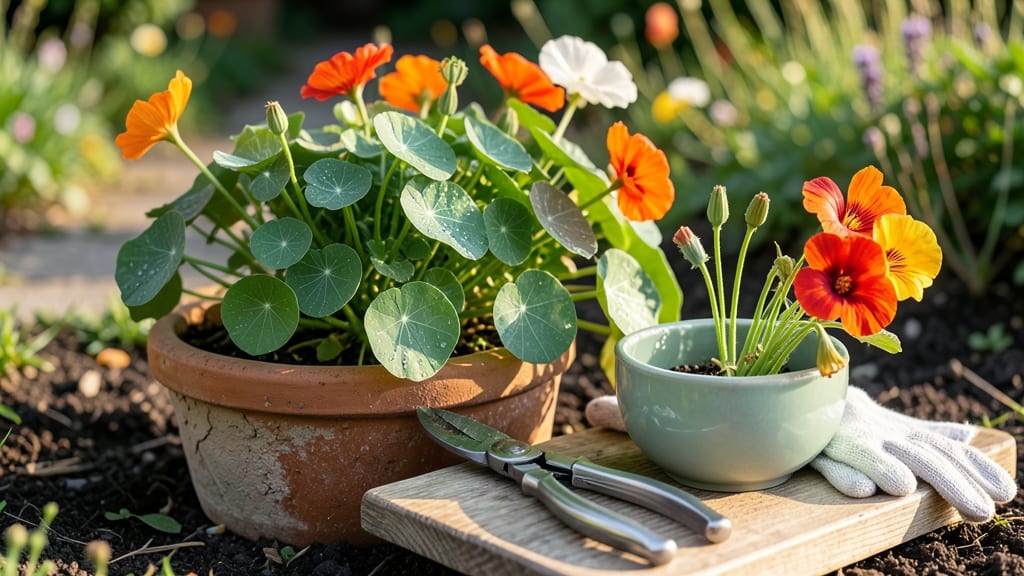
To harvest nasturtium flowers at their peak, snip them in the morning after dew dries—just as the petals fully unfurl and glow with vibrant color 🌸.
You’ve probably admired their bright blooms but wondered how to keep them fresh for days, whether in a vase or on your plate. The secret lies in timing, a sharp pair of scissors, and a little know-how to encourage more flowers to bloom.
Nasturtiums reward patience—pick too early, and the flavor fades; wait too long, and the petals wilt before you can enjoy them. Below, I’ll walk you through the exact method for cutting stems, storing blooms, and even using them in salads or garnishes without sacrificing their beauty.
By the end, you’ll know not just when to harvest but how to make every snip count for longer-lasting flowers and a garden that keeps giving all season.
Best time and method to harvest nasturtium flowers for maximum longevity
Harvesting nasturtium flowers at the right time ensures they last longer in arrangements and retain their vibrant colors and flavors. These cheerful blooms thrive when picked with care, but even a small mistake can shorten their vase life or stress your plants.
The key lies in understanding the optimal harvesting window and using the right cutting technique to keep your nasturtiums blooming abundantly all season.
Timing is everything—morning harvests yield the freshest flowers, while afternoon picking can leave stems limp and wilted faster. Nasturtiums also respond well to regular harvesting, so knowing when to stop is just as important as knowing when to pick.
Let’s dive into the best practices to maximize both your bouquets and your garden’s productivity.
✨ 5 Pro Tips for Harvesting Nasturtium Flowers
- 1. Harvest in the morning after dew dries (between 6-9 AM) for peak freshness and longest vase life (up to 7-10 days).
- 2. Cut stems at a 45° angle just above a leaf node using clean, sharp scissors to maximize water uptake.
- 3. Pick fully open flowers with vibrant petals—buds won’t last as long and may wilt before blooming.
- 4. Leave at least 3-4 leaves on each stem to fuel regrowth and encourage continuous blooming.
- 5. Avoid harvesting in hot afternoons (after 2 PM) to prevent wilting—stems close their pores to retain moisture, reducing vase life.
Using the wrong tools can damage your nasturtiums and reduce flower quality. Dull scissors crush stems, while your fingers can bruise delicate petals. Instead, invest in a pair of bypass pruners or sharp floral scissors—these create clean cuts that heal faster and last longer in water.
For edible flowers, sanitize your tools with rubbing alcohol to prevent bacterial contamination.
Nasturtiums are prolific bloomers, but over-harvesting can stress the plant and reduce future flowers. Aim to pick no more than one-third of the blooms at a time, focusing on the outermost flowers first.
This encourages the plant to produce new buds from the center, ensuring a steady supply throughout the season. If you notice fewer blooms appearing, you may be harvesting too aggressively.
Did you know nasturtiums produce more flowers when lightly fertilized? A balanced 5-10-10 fertilizer applied in early spring can boost blooming, but avoid heavy feeding—nasturtiums prefer lean soil and over-fertilizing can lead to lush foliage at the expense of flowers.
Pair this with regular deadheading (removing spent blooms) to redirect energy toward new growth.
For the longest vase life, strip lower leaves from the stems before arranging—this prevents bacterial growth in water. Change the vase water every 2-3 days and trim stems by ½ inch at an angle to keep them hydrated.
Nasturtiums also love cool temperatures, so store harvested bouquets in the fridge overnight if you can’t arrange them immediately.
If you’re harvesting for culinary use, pick flowers when they’re fully open but still firm to the touch. The petals are most flavorful and tender at this stage. For drying, hang small bundles upside down in a dark, well-ventilated area for 1-2 weeks.
Once dry, store petals in an airtight container away from light to preserve their color and peppery taste.
Pro tip: Nasturtiums self-seed easily, so leave a few spent blooms on the plant if you want next year’s crop to pop up naturally. Just be mindful of where they fall—these plants can become invasive in some climates, so contain them if needed.
With the right harvesting habits, your nasturtiums will reward you with months of vibrant blooms and delicious edible flowers.
🌸
How to prepare harvested nasturtium flowers for arrangements or cooking
Once you’ve harvested your nasturtium flowers, proper post-harvest care ensures they stay vibrant for arrangements or culinary use. Start by gently removing any wilted petals or damaged leaves—this keeps your bouquets fresh and your dishes looking their best.
The key is speed and precision to preserve their bright colors and peppery flavor.
For arrangements, trim stems at a 45-degree angle just below a leaf node. This angle increases water absorption, helping stems stay hydrated for up to 5-7 days. Place them immediately in cool water to prevent wilting.
If using for culinary purposes, rinse gently under cold water to remove dirt or insects, but avoid soaking to preserve their delicate texture.
💡 Pro Tip for Long-Lasting Nasturtiums
Trim stems underwater to prevent air bubbles from blocking water uptake. Add a splash of vinegar or bleach (1 tsp per quart of water) to sterilize and extend vase life.
To store harvested flowers for later use, wrap them loosely in paper towels inside a plastic bag. Place the bag in the refrigerator’s crisper drawer for up to 3-5 days. This method preserves their freshness and flavor for garnishes or quick recipes.
For long-term storage, consider drying methods like hanging bundles upside down in a dark, well-ventilated area for 1-2 weeks.
When using nasturtiums culinarily, their peppery, tangy flavor pairs beautifully with salads, cheeses, or as a garnish for soups. Remove the thick, waxy sepals (the green part beneath petals) before eating—they’re bitter. For salads, add whole flowers just before serving to maintain their crispness and vibrant color.
If drying flowers for potpourri or winter arrangements, ensure they’re completely dry before storing in an airtight container. Label the container with the harvest date to track freshness.
Dried nasturtiums can last up to 1 year if kept in a cool, dry place, making them a versatile addition to your gardening arsenal.
For continuous blooming, avoid over-harvesting from a single plant. Leave at least 3-5 flowers per stem to encourage new growth. With proper care, your nasturtiums will reward you with abundant, edible blooms all season long.