
Flowers
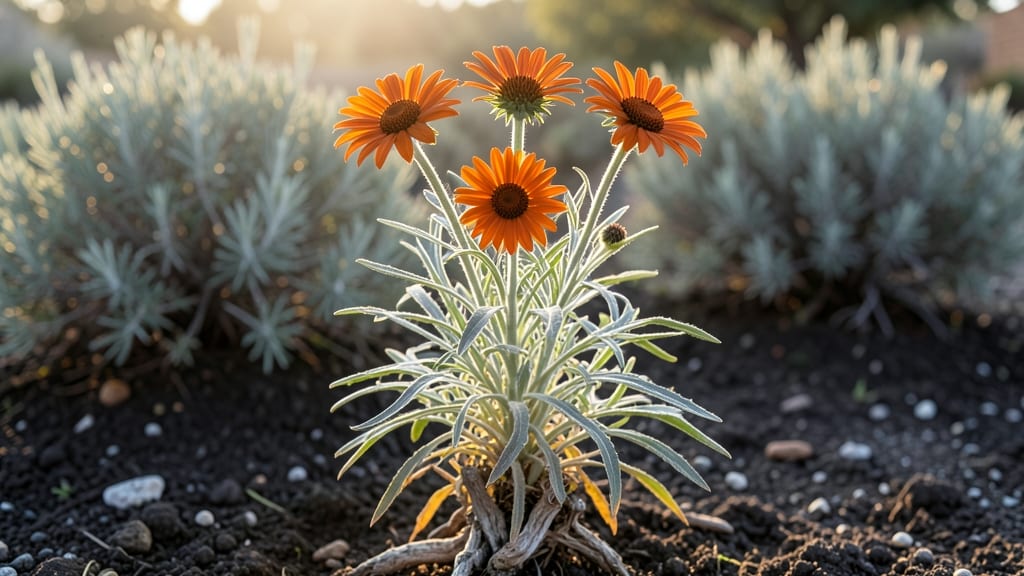
Strawflowers 🌼 grow anywhere from 1 to 4 feet tall, depending on the variety and growing conditions—so knowing their mature height is key to planning your garden layout.
Picture this: You’ve spent weeks nurturing your strawflower patch, only to realize they’re towering over your tomatoes or sprawling into the neighbor’s yard. That’s why understanding height ranges—whether you’re growing ‘Mojave’ (a compact 1-2 feet) or ‘Limelight’ (a bold 3-4 feet)—makes all the difference in spacing and support.
Beyond the variety, factors like soil quality, sunlight exposure, and even pruning can tweak how tall your strawflowers grow. In full sun and well-drained soil, they’ll hit their full potential, while shade or overcrowding can stunt their height—or worse, make them flop.
Here’s what you’ll learn: the exact height ranges for popular varieties, how to adjust spacing for a full bloom display, and pro tips to control height in smaller gardens. No more guessing—just a thriving, perfectly proportioned strawflower patch.

Strawflower height by variety: a complete growth guide
Strawflowers (Helichrysum bracteatum) are stunning annuals that add color and texture to any garden, but their height ranges dramatically depending on the variety. Understanding these differences helps you plan spacing, choose companion plants, and create a visually balanced landscape.
Some varieties stay compact at just 12 inches tall, while others reach 36 inches, making them perfect for borders, bouquets, or even cut flower arrangements.
When selecting strawflowers, consider your garden’s design goals. Taller varieties like ‘Mojave’ create dramatic focal points, while shorter types like ‘Dublin’ work well in containers or as edging plants. Proper spacing ensures each plant gets enough sunlight and airflow, which directly impacts their final height and bloom quality.
‘Mojave’ is one of the tallest strawflower varieties, reaching 30–36 inches, making it ideal for cut flower arrangements or as a backdrop plant. Its upright growth habit means you’ll need to stake taller stems in windy areas to prevent flopping. For garden beds, space these 18–24 inches apart to give them room to spread and receive adequate sunlight and circulation.
On the shorter end, ‘Dublin’ stays between 12–18 inches tall, perfect for containers, window boxes, or pollinator gardens. Its compact growth means you can plant them 12–16 inches apart without crowding.
This variety is also drought-tolerant, making it low-maintenance for busy gardeners. Pair it with lavender or marigolds for a cohesive color scheme.
If you love unique colors, ‘Limelight’ offers chartreuse blooms on stems that grow 24–30 inches tall. These plants thrive in full sun and benefit from regular deadheading to encourage more blooms.
Space them 16–20 inches apart to allow airflow, reducing the risk of powdery mildew. Their slender stems make them excellent for dried flower arrangements.
For a soft, romantic look, ‘Peach Parfait’ produces peachy-pink blooms on 18–24 inch stems. This variety is versatile—use it in mixed borders, cottage gardens, or as a filler in bouquets.
Plant them 14–18 inches apart to maintain a balanced, bushy shape. Their medium height makes them great companions for salvias or snapdragons.
Don’t overlook ‘Moonwalk’, a dwarf variety that tops out at 15–20 inches. Its spreading habit makes it perfect for rock gardens, fairy gardens, or alpine beds.
Space these 12–16 inches apart to create a dense, textured display. This variety is also great for cut flowers if you prefer smaller blooms for arrangements.
To maximize height and bloom potential, ensure your strawflowers get full sun (6+ hours daily) and well-draining soil. Overwatering can stunt growth, so water deeply but infrequently—about once a week unless your region experiences extreme heat.
A light application of balanced fertilizer (5-10-10) in spring and early summer encourages stronger stems and more vibrant blooms.
When planning your garden layout, consider height progression. Place taller varieties like ‘Mojave’ at the back, medium-height types like ‘Peach Parfait’ in the middle, and dwarf varieties like ‘Moonwalk’ in the front or containers.
This creates a natural, layered look that draws the eye through your garden. For cut flower gardens, prioritize taller varieties to minimize bending and stretching.
🌼 Whether you’re designing a cutting garden, pollinator haven, or container display, choosing the right strawflower variety ensures your garden thrives with color, texture, and minimal fuss. Experiment with spacing and companion plants to find the perfect combination for your space!
How strawflower height affects garden spacing and sunlight needs
Understanding how tall your strawflowers will grow is crucial for planning your garden layout. Taller varieties like 'Limelight' can reach 36-48 inches, while dwarf types like 'Mojave' stay compact at 12-18 inches. This height variation directly impacts both spacing requirements and sunlight exposure in your garden beds.
Taller strawflowers need more space to prevent overcrowding, which can lead to poor airflow and increased disease risk. Sunlight needs also change based on height—taller varieties may need more afternoon shade in hot climates to prevent wilting. Let's break down the practical spacing and sunlight guidelines for different strawflower heights.
- 🌱 12-18 inches tall (Dwarf varieties like 'Mojave'): Space 10-12 inches apart in full sun (6+ hours). Ideal for front borders or container gardens.
- 🌿 24-30 inches tall (Medium varieties like 'Dublin'): Space 18-24 inches apart with morning sun and afternoon shade in hot zones. Perfect for mid-border planting.
- 🌳 36-48 inches tall (Tall varieties like 'Limelight'): Space 24-36 inches apart in full sun with staking support. Best for back borders or cut flower gardens.
- ☀️ All heights thrive with 6+ hours of sunlight, but taller varieties may need partial afternoon shade in Zone 8+ climates to prevent heat stress.
For taller strawflowers, consider using trellises or stakes to support their stems, especially in windy or rainy regions. This prevents them from flopping over and ensures even sunlight exposure.
I've found that bamboo stakes work well for varieties like 'Peach Parfait', which can grow up to 4 feet tall.
When planning your garden, group strawflowers by height to create visual layers. Place dwarf varieties in the front, medium types in the middle, and tall varieties at the back. This arrangement maximizes sunlight access for all plants while creating a balanced, professional look.
Remember that soil fertility and watering consistency also influence height. Over-fertilizing can lead to taller, leggier growth, while consistent moisture promotes compact, bushy plants. Aim for a balanced 5-10-10 fertilizer applied every 4-6 weeks during the growing season.
With the right spacing and sunlight strategy, your strawflowers will thrive and provide long-lasting color from summer through fall. Don't forget to deadhead spent blooms to encourage continuous flowering throughout the season! 🌼