
Flowers
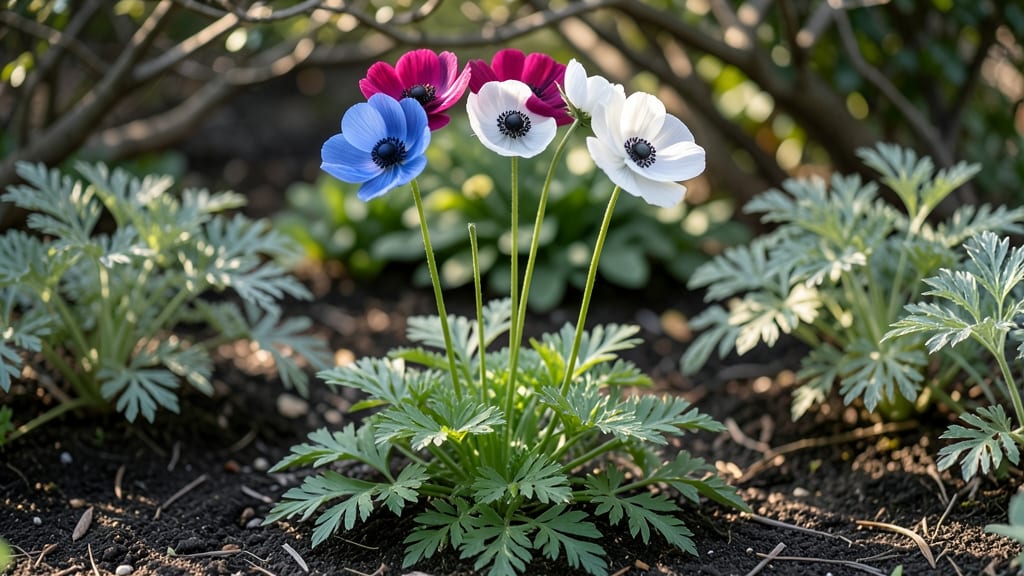
Anemone flowers grow anywhere from 1 to 4 feet tall, depending on the variety and growing conditions—making them versatile for everything from woodland gardens to container displays.
Wondering whether anemone flowers will tower over your garden or stay compact? Their height varies dramatically by type—from delicate ground covers to striking focal points—making variety selection a game-changer for any floral arrangement.
For example, Anemone coronaria (the classic poppy anemone) typically reaches 1 to 2 feet, perfect for borders or cutting gardens, while Anemone hupehensis can stretch up to 4 feet, ideal for adding vertical interest to the back of a perennial bed.
Below, I’ll break down the height ranges by species, how sunlight and soil affect growth, and simple tips to encourage the size you want—whether that’s a neat 2-foot hedge or a dramatic 4-foot statement plant.

Anemone flower height ranges by variety: from dwarf to towering
Anemones are one of the most versatile flowers in the garden, offering everything from dwarf ground covers to towering perennials that reach shoulder height.
The variety you choose determines not just the height of anemone flowers, but also their growth habits—whether they'll sprawl, clump, or send up elegant stems. For example, Japanese anemones often grow into dramatic focal points, while De Caen anemones stay compact, perfect for borders or containers.
Understanding these height differences helps you plan your garden layout. A 3-foot anemone like 'Honorine Jobert' will demand back-row placement, while a 1-foot variety like 'Bridal Veil' can edge walkways or spill over container rims.
Let's break down the most popular types and their mature heights to help you visualize how they'll fit into your space.
🌿 Visual Tip: Use these height ranges as a guide, but remember that soil quality, sunlight exposure, and pruning habits can adjust growth by up to 12 inches in either direction.
If you're designing a woodland garden, the windflower anemone (Anemone nemorosa) is my top pick for its 6–12 inch height. This low-growing variety thrives in shade and spreads naturally to create a carpet of delicate blooms.
Pair it with ferns or hostas for a lush, layered effect under tall trees.
For container gardening, I recommend De Caen anemones, which max out at 2 feet. Their compact size makes them ideal for window boxes or hanging baskets, especially when combined with sweet alyssum or lobelia.
Just ensure your container has drainage holes—root rot is their biggest enemy.
When planting tall anemones like Hupehensis varieties, consider their mature height of 3–5 feet. These need sturdy stems and may require staking in windy locations. Place them at the back of borders or near fences where their height won't overwhelm smaller plants.
Pro Tip: Prune Japanese anemones in early spring to control height. Cutting back 1/3 of the foliage encourages bushier growth and prevents leggy stems. This works especially well for 3–4 foot
How to control anemone flower height for optimal garden display
Controlling the height of your anemone flowers starts with understanding their natural growth habits. Some varieties like Anemone coronaria stay compact at 1-2 feet, while others like Anemone hupehensis can reach 4 feet or taller.
The key is to use pruning, staking, and strategic planting to guide their growth toward your desired display.
If you’re aiming for a neat, low-growing border, regular pruning and proper spacing will keep them tidy. For a dramatic vertical statement, focus on staking and providing ideal growing conditions. Let’s dive into the practical steps to achieve the perfect height for your garden vision.
For container gardening, choose dwarf varieties like Anemone × hybrida (1-1.5 feet tall) to avoid overcrowding. Use well-draining pots and regular pruning to maintain a neat, manageable height. Containers also allow you to move plants to shadier spots if they start stretching too tall.
Seasonal care plays a huge role in height control. In late summer, reduce watering slightly to slow down growth before the fall bloom. Overwatering can lead to weak, floppy stems, especially in tall varieties.
Always water at the base of the plant to avoid wetting the foliage, which can encourage fungal diseases that weaken stems.
If your anemones are already too tall or leggy, don’t despair—you can still train them. After flowering, cut back one-third of the height to encourage bushier growth next season. This works especially well for perennial types like Anemone japonica, which can become woody and unruly without pruning.
With these techniques, you’ll have anemone flowers that fit perfectly into your garden design—whether you want a low, lush border or a tall, dramatic backdrop. Experiment with different methods to find what works best for your climate and space! 🌸