
Blooming
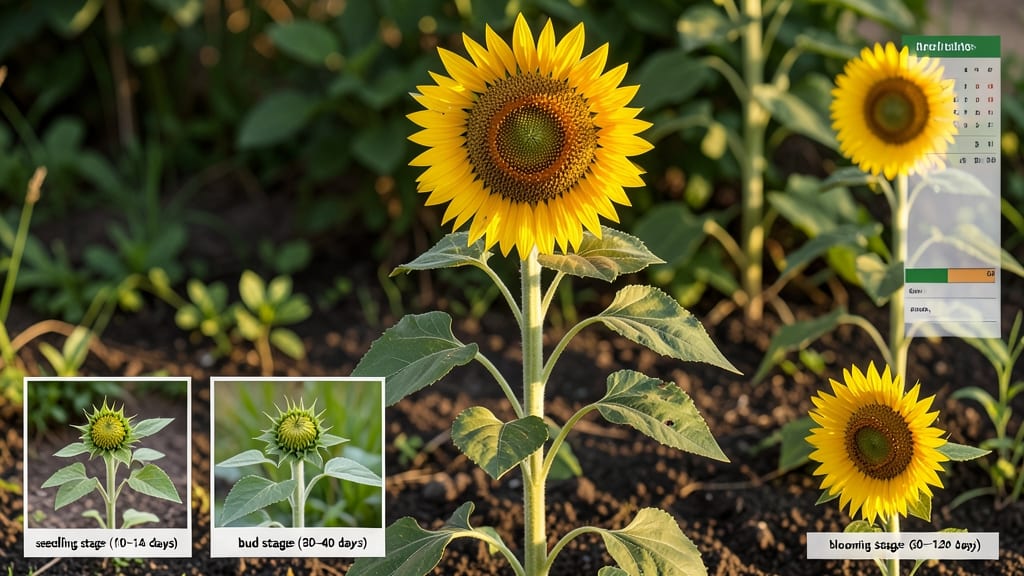
Sunflowers bloom in 60 to 120 days from seed, depending on the variety and growing conditions—so if you’ve been waiting for those bright faces to turn toward the sun, here’s what you need to know.
Picture this: you’ve planted your seeds in early spring, and now you’re checking them daily, wondering why your 🌻 sunflowers aren’t blooming as fast as your neighbor’s. The truth?
Some varieties pop up in as little as 50 days, while giants like ‘Russian Giant’ can take 120+ days to show off their petals.
But it’s not just about the type—soil warmth, sunlight, and even your watering habits play a huge role. Too little sun? Your sunflowers might stretch tall but never bloom.
Too much heat? They could bolt early. I’ll break down the exact timeline by variety, plus the care tweaks that keep your plants on track.
Ready to plan your garden’s star show? You’ll learn how to track growth stages, spot delays early, and adjust your care routine for faster, healthier blooms—no guesswork involved.
Sunflower bloom time by popular variety: fastest to slowest growing types
If you've ever planted sunflower seeds with high hopes of instant sunshine in your garden, you know the wait can feel endless.
The truth is, sunflower bloom times vary dramatically depending on the variety—some pop open in under 60 days, while others take nearly 120 days to reach their golden glory. Knowing these timelines helps you plan for cutting flowers, birdseed harvests, or even fall decorations with precision.
Fast-blooming varieties like 'Teddy Bear' or 'Moulin Rouge' are perfect for impatient gardeners or late-season plantings, while giant varieties like 'Russian Giant' need patience and space.
Below, I’ve organized the most popular sunflower types from fastest to slowest bloom times, so you can pick the perfect variety for your garden’s timeline and goals.
🌱 Pro Tip: Always check your last frost date and adjust planting times accordingly. Most sunflowers need 80-120 days of warm weather to bloom, so early varieties are your best bet for northern climates.
| Variety | Type | Bloom Time (Days) | Height (ft) | Best For |
|---|---|---|---|---|
| Moulin Rouge | Dwarf | 50-60 | 1-2 | Containers, borders |
| Teddy Bear | Dwarf | 55-65 | 2-3 | Cut flowers, kids' gardens |
| Autumn Beauty | Mid-Size | 60-70 | 4-5 | Dried flowers, pollinators |
| Lemon Queen | Mid-Size | 65-75 | 5-6 | Unique color, cut arrangements |
| ProCut | Standard | 70-80 | 6-8 | Florist bouquets, long stems |
| Russian Giant | Giant | 110-120+ | 10-15 | Statement plants, seed harvest |
| Mammoth | Giant | 100-110 | 10-14 | Seed production, tall screens |
| Sunbright Yellow | Mid-Size | 60-70 | 4-5 | Pollinators, early blooms |
| Giant Russian | Giant | 120+ | 12-16 |
Factors that speed up or delay sunflower blooming (beyond variety)Sunflower bloom times vary dramatically based on factors you control—like soil warmth, watering consistency, and sunlight exposure. While some varieties bloom in 50-60 days, others take 120+ days under less-than-ideal conditions. Let’s break down the key elements that accelerate (or stall) those cheerful faces turning toward the sun. Your sunflower’s soil temperature is the #1 hidden factor. Seeds won’t sprout until soil reaches 50°F (10°C), but roots grow fastest in 70-85°F (21-29°C) ranges. Cold soil slows germination by 30-50%, adding weeks to your bloom timeline. Test your soil with a thermometer—if it’s below 60°F (15°C), consider using black plastic mulch to warm it faster.
☀️
🌡️
💧
🪴
📏
If your sunflowers are taking longer than expected, start with a light check. Move them to a sunnier spot immediately—even partial shade can delay blooming by 2-3 weeks. For slow starters, mix compost into the soil to boost nutrients, then water deeply at the base of the stem (not the leaves) to avoid fungal issues. Pro tip: Morning watering (before 10 AM) maximizes root absorption and reduces leaf diseases that slow growth. Pair this with a mulch layer (straw or wood chips) to retain moisture and regulate soil temperature—this combo can shave 10-15 days off your bloom timeline. Remember, giant varieties like 'Russian Mammoth' are bred for height, not speed—they’ll always take longer. But dwarf types like 'Teddy Bear' bloom in 50-60 days if given optimal care. Adjust your expectations and tweak these factors to see those sunflowers reaching for the sky weeks faster. |