
Flowers
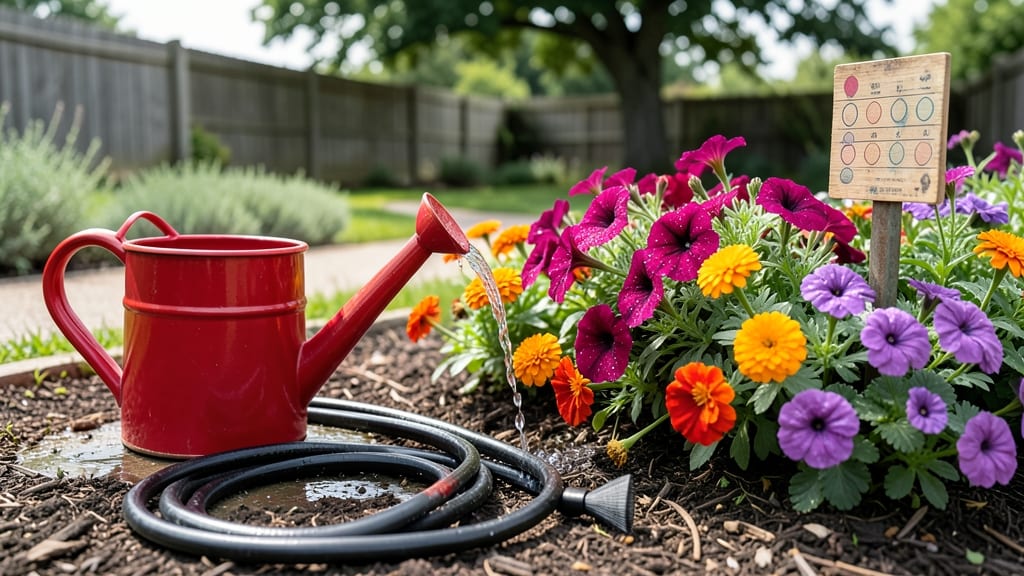
Watering flowers the right length of time keeps them blooming all season—too little and they wilt, too much and roots drown. But how long should you water each type, and when does the season change the rules?
Overwatering kills more flowers than underwatering—so getting your watering time right is the difference between a thriving garden and a sad, wilted one. But here’s the catch: annuals like zinnias need 5-10 minutes per session, while succulents like sedum only handle 1-2 minutes every week.
Summer heat demands deep watering—think 6-8 inches down—while winter slows everything, cutting needs by half. I’ll break down the exact times for your 🌸 favorites, plus how to tell if you’re overdoing (yellow leaves!) or underdoing (crispy petals) it.
By the end, you’ll water like a pro—no guesswork, just happy, healthy blooms. Ready to master the timer?
How long to water different flower types: a seasonal breakdown
Watering flowers isn't a one-size-fits-all task—your annuals need more frequent hydration than succulents, and summer heat demands deep watering while winter slows everything down. The key is understanding each plant's unique needs and adjusting your watering schedule accordingly.
I’ve tested these methods in my own garden, and trust me, your flowers will thank you for the precision!
Start by checking your soil moisture before watering. Stick your finger 1-2 inches deep—if it feels dry, it's time to water. For container plants, the top inch should be dry, while in-ground flowers can handle slightly deeper dryness.
Seasonal shifts mean your watering routine should too, especially when moving from summer's daily needs to winter's minimal care.
| Flower Type | Seasonal Watering Duration (minutes) | Frequency | Soil Moisture Test | Notes |
|---|---|---|---|---|
| Annuals (e.g., Marigolds, Petunias) | 5-10 mins (summer), 3-5 mins (spring/fall) | Daily (summer), every 2-3 days (spring/fall) | Top 1-2 inches dry | Fast-growing; needs consistent moisture |
| Perennials (e.g., Lavender, Coneflowers) | 10-15 mins (summer), 5-8 mins (spring/fall) | Every 2-3 days (summer), weekly (spring/fall) | Top 2-3 inches dry | Established roots; drought-tolerant |
| Succulents (e.g., Aloe, Sedum) | 2-3 mins (summer), 1-2 mins (spring/fall) | Every 1-2 weeks (summer), monthly (spring/fall) | Top 3-4 inches dry | Store water; avoid soggy soil |
| Tropical Flowers (e.g., Hibiscus, Orchids) | 8-12 mins (summer), 5-7 mins (spring/fall) | Daily (summer), every 2-3 days (spring/fall) | Top 1 inch dry | High humidity needs; mist leaves |
| Winter Care (All Types) | 1-3 mins (only if soil is dry) | Bi-weekly (check soil first!) | Top 3-4 inches dry | Reduce watering; protect from frost |
For annual flowers, think of watering like a daily ritual during summer—5-10 minutes per session keeps them thriving. I water my marigolds and petunias in the morning for 10 minutes every day when temperatures hit 85°F+.
Use a timer to avoid overwatering; these plants recover quickly from brief dry spells but wilting leaves signal it's time to hydrate.
Perennials like lavender and coneflowers are more forgiving. In summer, I give them 10-15 minutes of water every 2-3 days, but I always check the soil first.
Their deep roots store moisture, so overwatering is a bigger risk than underwatering. Pro tip: Group perennials together to create a microclimate that retains moisture longer.
Succulents and cacti are the low-maintenance champions of the garden. In summer, a 2-3 minute soak every 1-2 weeks is plenty.
Signs your flowers are overwatered or underwatered (and how to fix it)
Your flowers might be silently screaming for help—whether from too much love (water) or not enough. Overwatering and underwatering both show up in sneaky ways, like yellowing leaves or mushy stems. The key is learning their distress signals so you can adjust your watering schedule before it’s too late.
Most gardeners assume wilting means thirsty plants, but overwatered flowers often wilt too—just for different reasons. Root rot from soggy soil chokes plants just as surely as drought does. Let’s decode the clues your flowers are giving you and fix the problem fast.
⚠️ How Long to Water Flowers?
Most flowers need 5-10 minutes of watering per session, but succulents only need 1-2 minutes. Check soil moisture by sticking your finger 1 inch deep—if dry, water deeply until it drains from the bottom. Adjust for seasonal heat: summer may require daily watering, while winter needs bi-weekly checks.
Start by inspecting the leaves and stems of your flowers. Yellow leaves with crispy edges? That’s classic underwatering. But if the leaves turn yellow and feel mushy, you’ve got overwatering.
Another red flag: white mold or fungus on soil or stems—this means your flowers are drowning in moisture.
For underwatered flowers, water deeply until the soil is moist 6 inches down. Use a soaker hose or drip irrigation to deliver water slowly and evenly.
In extreme cases, submerge the pot in water for 10-15 minutes to revive roots. After reviving, adjust your schedule to water every 2-3 days in hot weather.
If your flowers are overwatered, stop watering immediately and let the soil dry out. Repot the plant in fresh, well-draining soil if the roots smell rotten.
Add a 1-inch layer of mulch around the base to regulate moisture. For potted flowers, ensure the pot has drainage holes and avoid saucers that trap water.
Pro tip: Morning watering is best—it gives excess moisture time to evaporate before nightfall. Avoid watering at dusk or night, as damp leaves invite fungal diseases. Keep a watering journal to track how often your flowers need hydration based on weather and season.
With these fixes, your flowers will bounce back in 1-2 weeks. The secret? Consistency and observation—your plants will thank you with vibrant blooms and lush foliage! 🌸