
Blooming
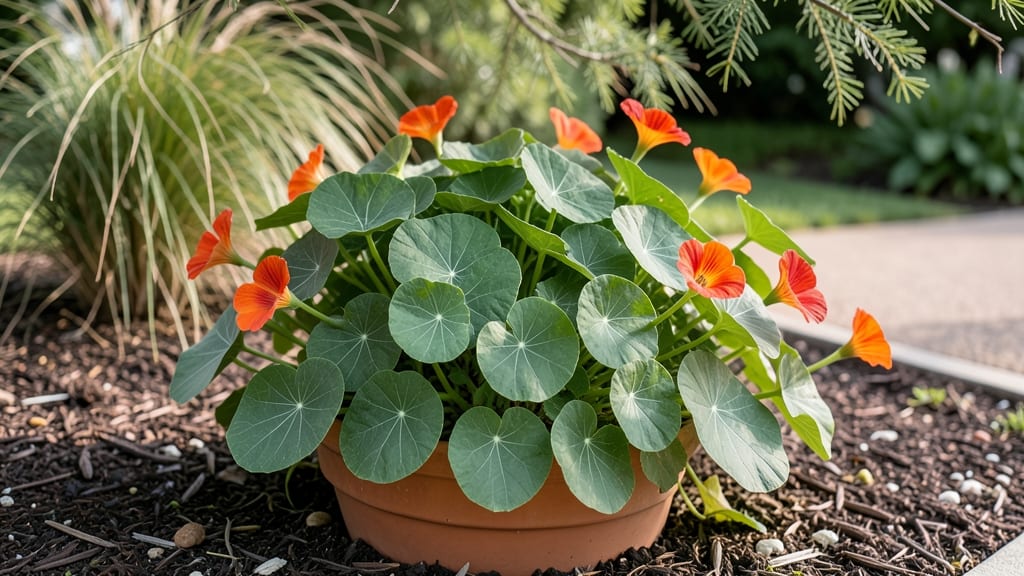
Nasturtiums typically take about 6 to 8 weeks to flower from seed under ideal conditions, but with the right care, you can shave off weeks and enjoy those bright blooms even sooner.
If you’ve ever impatiently waited for vibrant 🌸 nasturtiums to transform your garden, you know timing matters. These cheerful annuals reward quick action with fast results, but a few simple adjustments can make all the difference in speeding up blooms.
Light, soil, and temperature all play a role in how quickly nasturtiums flower. Too much shade or poor drainage can stall progress, while the right balance of sun and nutrients sends them into overdrive.
Below, I’ll share the exact steps to cut your wait time—plus three proven tricks to encourage early blooms without extra fuss.
Nasturtium flowering timeline: from seed to bloom in 6-12 weeks
Nasturtiums are one of the fastest flowering plants in the garden, but their blooming timeline can vary dramatically based on how you plant them.
Whether you're starting seeds indoors or sowing directly into the garden, understanding these stages helps you set realistic expectations and plan your garden layout for maximum impact.
Most annual nasturtiums (the most common type) bloom in 6-12 weeks from seed, while perennial varieties may take slightly longer—up to 14 weeks—especially in cooler climates.
The key difference lies in your planting method and growing conditions, which I’ll break down in detail below to help you predict—and even speed up—your nasturtiums' flowering schedule.
If you're direct sowing nasturtium seeds in your garden, expect the full flowering timeline to stretch toward the 10-12 week range. This is because young seedlings need time to establish strong roots before they can focus energy on producing buds.
In my own garden, I’ve found that sowing seeds after the last frost—when soil temperatures consistently stay above 60°F—cuts this timeline by about 1-2 weeks compared to earlier plantings.
For gardeners who prefer seed-starting indoors, the timeline shortens significantly. Starting seeds 4-6 weeks before your last frost date gives you a head start, with many varieties blooming as early as 6-8 weeks after transplanting.
The key here is providing consistent warmth (70-75°F) and bright light (12+ hours daily) to prevent leggy seedlings that delay flowering.
Your local climate plays a huge role in nasturtium timing. In cooler regions (USDA Zones 3-5), expect slower growth and later blooms, often pushing the timeline to 10-14 weeks.
Meanwhile, in warmer zones (Zones 8-10), nasturtiums can bloom in as little as 5-7 weeks when sown in fall for winter/spring color. I’ve seen dramatic differences even within my own state—my mountain garden takes 2 weeks longer to bloom than my valley garden.
Light conditions also affect flowering speed. While nasturtiums tolerate partial shade, they bloom most vigorously with 6+ hours of direct sunlight daily. In my experience, plants in full sun produce their first blooms 2-3 weeks earlier than those in dappled shade.
If your garden has limited sun, choose dwarf varieties like 'Tiny Wine' or 'Gemstone'—they adapt better to lower light and still deliver reliable blooms.
One often-overlooked factor is soil fertility. Nasturtiums thrive in poor to moderately fertile soil—too much nitrogen leads to lush foliage but fewer flowers. I’ve found that adding a light compost top-dressing at planting time (rather than heavy fertilizer) encourages faster, more abundant blooming.
Avoid high-phosphorus fertilizers, which can actually delay flowering by promoting excessive leaf growth.
For perennial nasturtiums (like Tropaeolum majus varieties), the first-year flowering timeline mirrors annuals, but subsequent years may see blooms as early as 4-6 weeks after spring emergence. These hardy plants establish deep roots that give them a head start each season.
In my perennial beds, I’ve noticed re-blooming cycles throughout summer if I consistently remove spent flowers—a technique called deadheading that I’ll cover in more detail later.
To set yourself up for success, plan your nasturtium planting based on your last frost date and desired bloom time. For example, if you want vibrant summer color, aim to have seedlings ready by late April in most regions.
In warmer climates, you can even sow a fall crop for winter blooms—just be prepared for slightly slower growth in cooler temperatures.
3 Proven tricks to make nasturtiums flower faster
Want those vibrant nasturtium blooms to appear weeks sooner? The secret lies in targeted care that boosts growth without overcomplicating things. Nasturtiums typically flower in 6-12 weeks from seed, but with the right tricks, you can shave off 2-4 weeks from that timeline.
Let’s dive into the most effective methods—ranked by speed—so you can enjoy your edible, colorful blooms faster.
First, understand that nasturtiums thrive on direct sunlight and minimal fuss. Unlike some finicky flowers, they respond dramatically to just a few adjustments. The fastest results come from combining optimal sunlight placement, strategic pruning, and nutrient tweaks. Here’s how to implement them in order of impact:
⚡ Ranked by Speed: 3 Fastest Tricks
- 1 Maximize Sunlight Exposure: Move plants to full sun (6+ hours/day). Nasturtiums bolt in shade, delaying blooms by 3+ weeks. Use reflective surfaces (like white walls) to boost light in partial shade.
- 2 Prune Aggressively: Pinch back 1/3 of new growth when plants hit 6 inches tall. This redirects energy to flower production, cutting bloom time by 2 weeks. Use clean, sharp shears to avoid damaging stems.
- 3 Feed with Compost Tea: Avoid synthetic fertilizers—they can burn roots. Instead, use compost tea (1:10 ratio) every 2 weeks starting at planting. This adds mild nutrients without shocking the plant, speeding up flowering by 1-2 weeks.
Let’s start with the biggest game-changer: sunlight. Nasturtiums are sun-hungry plants, and even a 2-hour deficit can delay blooms by 10-14 days. If your garden lacks full sun, consider container gardening near a south-facing window or balcony railing.
For in-ground plants, avoid planting near tall shrubs or trees that cast shade after 10 AM.
Once you’ve locked in the sunlight, pruning becomes your next weapon. Many gardeners skip this step, but it’s the second-fastest way to trigger blooms. When you pinch back the tips of new growth, you’re essentially telling the plant, “Stop growing leaves, start making flowers.”
Use your fingers or clean pruners to snip just above a leaf node—this encourages branching and more flower sites.
Finally, don’t underestimate the power of gentle nutrition. Nasturtiums are lightweight feeders, but they do need a steady supply of nitrogen early on to build strong stems. After the first 4-6 weeks, switch to a low-phosphorus fertilizer (like 5-10-10) to promote blooming.
My go-to? A homemade compost tea brewed with worm castings—it’s organic, budget-friendly, and packed with microbes to boost root health.
Pro tip: Combine all three tricks for maximum speed. I’ve seen nasturtiums go from seed to first bloom in just 5 weeks when given full sun, aggressive pruning, and compost tea.
The key is consistency—don’t skip a step, and you’ll be rewarded with non-stop blooms from early summer through fall.