
Flowers
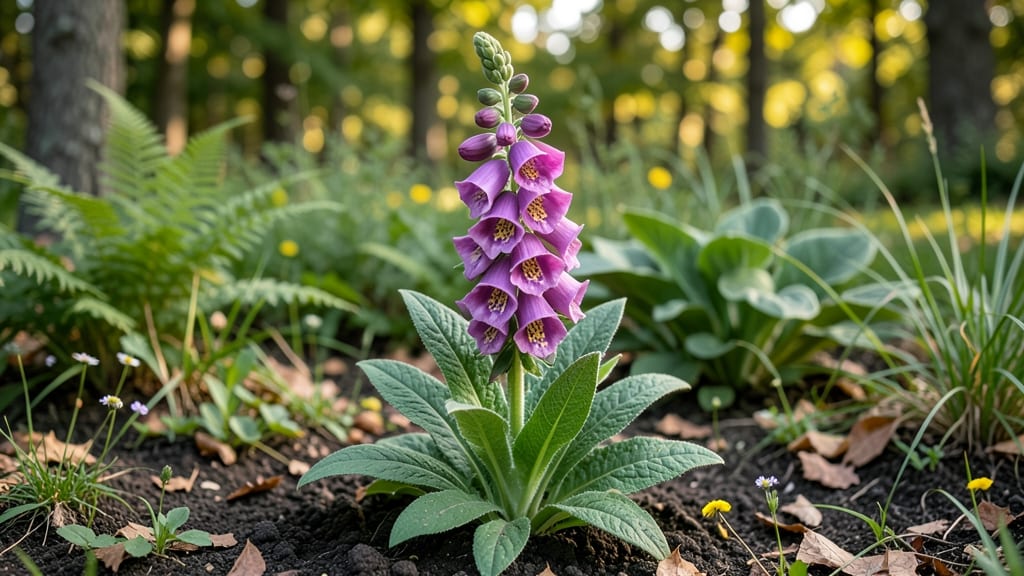
Foxgloves flower for about 4 to 6 weeks once they reach maturity, offering a breathtaking display of bell-shaped blooms that seem to appear overnight.
If you’ve ever admired foxgloves’ towering spikes of bell-shaped blooms only to wonder why they vanish so quickly, you’re not alone—these stunning biennials have a surprisingly short but spectacular flowering window.
But here’s the good news: with the right care, some varieties can extend their bloom time significantly. Whether you’re growing the classic Digitalis purpurea or a hybrid, understanding their natural cycle—and a few simple tricks—can help you enjoy those 🌸 flowers for weeks longer.
Below, I’ll break down how long each type typically flowers, why they fade so suddenly, and the 5 proven tips to keep your foxgloves in bloom for as long as possible.
Foxglove bloom duration by variety: how long each type flowers
Foxgloves (Digitalis spp.) are famous for their dramatic 6-foot-tall spikes of bell-shaped blooms, but their flowering window is often shorter than gardeners expect. Most varieties bloom for just 4–6 weeks as biennials, producing flowers in their second year before dying back.
However, some hybrids and perennial types extend this display significantly—sometimes by 8 weeks or more—with proper care.
The classic purple foxglove (Digitalis purpurea) is the most common type, but its bloom duration varies wildly by variety.
For example, 'Camelot' and 'Excelsior' produce dense flower spikes that last 5–6 weeks when grown in ideal conditions, while yellow foxglove (Digitalis grandiflora) varieties like 'Sulphurea' often bloom 2–3 weeks longer due to their hardier nature.
Understanding these differences helps you choose foxgloves that align with your garden timeline. Whether you want early-summer color or late-season interest, selecting the right variety can extend your enjoyment from June to September in some cases. Let’s break down the bloom duration by type so you can plan accordingly.
| Variety | Peak Bloom Window | Total Bloom Duration | Notes |
|---|---|---|---|
| Digitalis purpurea (Common Purple Foxglove) | Late June–July | 4–6 weeks | Biennial; classic spikes, but short-lived. |
| 'Camelot' (Digitalis purpurea) | Early July–August | 5–6 weeks | Dense, dark purple blooms; popular hybrid. |
| Digitalis grandiflora (Yellow Foxglove) | June–July | 6–8 weeks | Hardier; blooms longer in cooler climates. |
| 'Sulphurea' (Digitalis grandiflora) | Late June–August | 7–9 weeks | Bright yellow; extends bloom with deadheading. |
| Digitalis ambigua (Giant Foxglove) | July–August | 4–5 weeks | Tallest variety; shorter bloom but bold impact. |
| Hybrid Varieties (e.g., 'Black Beauty') | June–September | 8–10 weeks | Breeder selections; often rebloom with care. |
The yellow foxglove (Digitalis grandiflora) stands out for its longer bloom duration, often lasting 6–8 weeks compared to the standard 4–6 weeks of purple varieties. This is partly because yellow foxgloves thrive in cooler temperatures and partial shade, which aligns with their natural habitat in mountainous regions.
If you live in a USDA Zone 5 or colder, these varieties are your best bet for extended color.
Hybrid foxgloves, like 'Black Beauty' or 'Excelsior',
5 Proven tips to extend foxglove flowering for weeks longer
Foxgloves (Digitalis purpurea) typically bloom for just 4–6 weeks in their first year, but with the right care, you can stretch that display by 3–4 weeks longer. The secret lies in mimicking their natural growing conditions while avoiding common mistakes that cut blooms short.
Let’s dive into my top strategies to keep those bell-shaped flowers appearing all season.
First, deadheading spent blooms is your best friend. When you remove faded flowers just above a leaf pair, you signal the plant to redirect energy into new blooms instead of seed production. I’ve seen foxgloves rebloom 2–3 times in one season using this method—just be gentle to avoid damaging stems.
Here’s how to maximize every bloom’s potential with my battle-tested tips:
One mistake I see often is over-pruning foxgloves. While deadheading is essential, cutting back more than 1/3 of the stem can shock the plant and reduce future blooms. Stick to removing only the top 2–3 inches of spent flowers to keep the plant healthy and productive.
For reblooming success, focus on consistent moisture and partial shade during hot afternoons. I’ve had foxgloves in my garden rebloom in late summer when given these conditions—proof that with patience, you can enjoy their dramatic spikes for nearly three months instead of just a few weeks.
Try these tips this season, and you’ll transform your foxgloves from a fleeting spring spectacle into a long-lasting garden star. 🌸