
Flowers
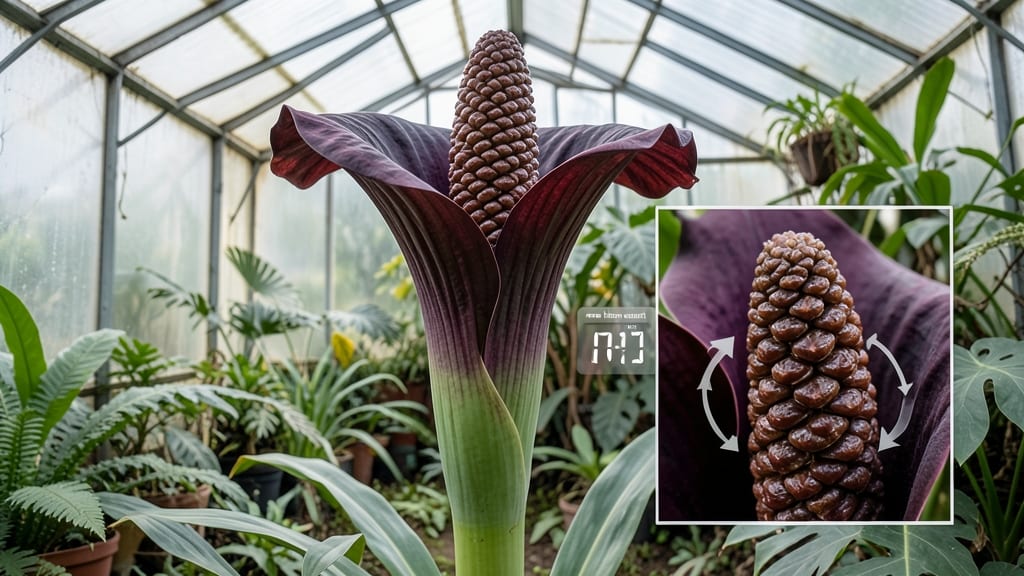
Corpse flowers bloom for just 1 to 3 days, a fleeting spectacle that rewards patient gardeners with a scent as dramatic as its name suggests.
Picture this: your 🌺 Corpse Flower—grown from a rare, decades-old tuber—suddenly heats up like a feverish animal, then unfurls petals that smell like rotting meat. That’s not a mistake; it’s nature’s way of luring flies for pollination. But the real magic? The bloom itself is only the beginning.
Most gardeners miss the scent phases entirely because they assume the flower’s brief appearance means the show is over. In reality, the odor peaks after the petals open, lasting another 24 to 48 hours before fading.
Temperature and humidity can stretch or shrink this window, but the core truth remains: you’ve got a 72-hour window to experience the full spectacle.
Here’s the kicker: these flowers bloom only every 5 to 10 years, so timing is everything.
I’ll walk you through how to spot the signs, adjust your environment, and even troubleshoot why some blooms fizzle out early—because when a Corpse Flower finally opens, you want to make the most of it.
Corpse flower bloom duration: exact timeline from bud to scent peak
The corpse flower (Amorphophallus titanum) is a botanical spectacle with one of the most dramatic—and brief—bloom cycles in the plant kingdom. While the actual flower opening lasts only 24–72 hours, the entire bloom cycle spans weeks to months from bud formation to scent dissipation.
Understanding this timeline helps you prepare for the rare event and appreciate its fleeting beauty.
Most gardeners assume the bloom duration refers only to the visible flower, but the corpse flower’s scent phases are just as critical—and often more intense.
The plant’s foul odor (ranging from rotting meat to gym socks) peaks during a 1–3 day window and is its primary evolutionary strategy to attract carrion flies for pollination.
Here’s the exact timeline from bud formation to scent dissipation, including key stages you won’t want to miss:
Young corpse flowers (under 5 years old) may bloom for only 12–24 hours, while mature plants (10+ years) can extend their peak scent phase to 3 days.
The heat spike during bloom is a critical factor—temperatures inside the spathe can rise 15–20°F higher than the surrounding air, creating a microclimate that amplifies the scent.
If your corpse flower blooms in cooler months (e.g., late spring), the scent phases may shorten to 1 day or less. Conversely, blooms in summer heat (85°F+) often last longer, with the rotten meat odor lingering into the evening.
This is why greenhouse-grown corpse flowers tend to have more predictable bloom cycles.
The most intense scent occurs during the first 24 hours of bloom, but the heat signature (detectable up to 30 feet away) can last for 3–5 days post-bloom.
This is your best chance to observe pollinators like carrion flies up close—just be prepared for the smell to linger in your clothes and hair for days afterward!
Pro tip: Use a digital thermometer to monitor the heat spike during bloom. A sudden rise to 80°F+ confirms peak scent production. For indoor growers, place a small fan nearby to circulate the odor and simulate natural pollinator attraction.
Remember, the corpse flower’s bloom cycle is rare—most plants bloom only every 5–10 years.
Once you witness it, you’ll understand why gardeners describe the experience as "once in a lifetime." The brief window of flower and scent makes every second count, so mark your calendar and prepare for nature’s most pungent spectacle!
Why the corpse flower’s scent phases are more important than bloom length
The corpse flower’s actual bloom duration is often overshadowed by its infamous scent—because the smell, not the flower itself, is the real spectacle. While the visible bloom lasts just 24–72 hours, the scent phases unfold over 3 distinct stages, each with its own intensity and evolutionary purpose.
This is where the corpse flower’s genius lies: its odor attracts pollinators long before and after the flower even opens.
Most gardeners fixate on how long the corpse flower blooms, but the scent phases—pre-flowering, peak bloom, and post-bloom—are far more critical to its survival. The plant’s rotten meat aroma mimics decaying flesh to lure flies and beetles, which are its primary pollinators.
Without this scent strategy, the corpse flower’s brief bloom would go unnoticed in the wild. Temperature and humidity dramatically alter these phases, making scent timing as unpredictable as bloom timing.
Here’s why scent phases matter more than bloom length—and how to observe them in your own plant:
Odor: Subtle, sweet, or slightly fermented
The bud swells and emits a mild, almost fruity scent—a deceptive prelude to the stench to come. This phase primes pollinators to return later.
Odor: Rotting meat, gym socks, or sewage
The most intense, foul phase coincides with the flower’s full opening. Humidity amplifies the stench—expect it to travel rooms away in a greenhouse.
Odor: Fading to gym socks or wet dog
The flower wilts, but the scent lingers—a final lure for late-arriving pollinators. Lower temperatures shorten this phase; heat can extend it.
Comparing scent duration to bloom duration reveals the corpse flower’s evolutionary efficiency. While the flower itself may only open for 1–3 days, the scent’s total "active" period stretches to 5–7 days.
This means pollinators are drawn in before, during, and after the bloom—maximizing reproductive success despite the short window.
Temperature and humidity rewrite the scent script. In high humidity (70%+), the odor becomes overpowering and spreads faster, while dry air (below 50%) weakens the aroma, reducing pollinator attraction.
Gardeners in arid climates may need to mist their plants to preserve scent intensity during peak bloom. Conversely, cool nights (below 60°F) can stall the scent’s progression, delaying the post-bloom phase.
If you’ve ever wondered why your corpse flower’s bloom seemed shorter than expected, the answer lies in the scent phases. A weak or short-lived odor might signal stress from overwatering, poor soil, or inconsistent humidity.
Pay attention to the scent’s evolution—it’s your plant’s way of communicating its health. And remember: the real magic happens before and after the flower opens.
Next time your corpse flower blooms, time the scent phases like a pro. You’ll gain deeper insight into its pollination strategy and troubleshoot issues before they affect future blooms. Just don’t blame your neighbors for the smell—it’s all part of the plan! 🌺