
Size
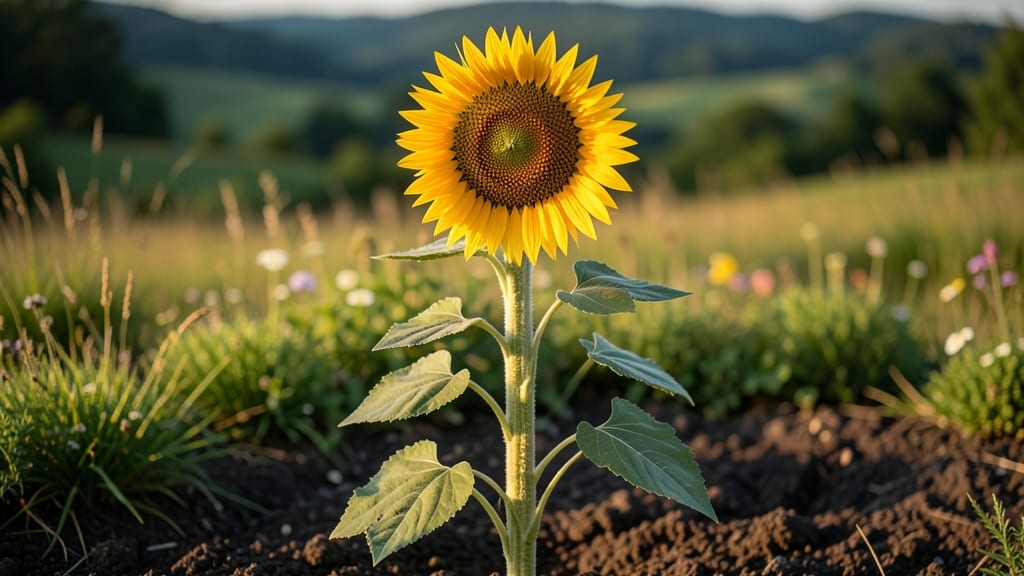
Mammoth sunflowers can grow between 10 and 14 feet tall—taller than most gardeners and close to the height of a two-story building!
Imagine towering 🌻 stalks swaying in your garden, their massive blooms turning heads. But before you plant, knowing their exact size helps you plan spacing, support, and even where to place them so they don’t block sunlight from smaller plants.
Not all Mammoth sunflowers reach the same height—some stay around 8 feet while others stretch toward 16 feet, depending on the variety and growing conditions. Proper spacing (at least 18 inches apart) and sturdy staking are key to preventing flopping and ensuring they grow straight.
In this guide, I’ll break down the height ranges by variety, share tips for supporting tall stalks, and help you decide where to plant them for the best results.
Mammoth sunflower height ranges by variety: what to expect
Mammoth sunflowers are the giants of the garden world, capable of reaching heights that turn heads and spark conversations. But not all varieties grow to the same towering stature—some stay compact while others stretch toward the sky.
Understanding these height ranges helps you choose the perfect variety for your space and avoid common mistakes like overcrowding or underestimating their stem thickness.
If you're planning your garden layout, knowing whether a variety will hit 10 feet or 14 feet makes all the difference. Some Mammoth sunflowers even exceed 16 feet with ideal conditions!
Below, I’ve broken down the most popular varieties and their mature heights, so you can pick the right one for your garden’s scale.
Pro Tip: Always check seed packets for variety-specific notes—some "Mammoth" labels include dwarf or semi-dwarf types that won’t reach their full potential without proper care. Let’s dive into the details so you can plant with confidence!
As you can see, the Russian Giant and Giant Russian varieties are the true titans, often surpassing 14 feet with proper care. These varieties need ample space and strong support to prevent flopping, especially in windy conditions.
If your garden is more compact, Autumn Beauty offers a shorter, more manageable option while still delivering that iconic sunflower charm.
One common misconception is that all Mammoth sunflowers grow to 16 feet. While some varieties can reach that height, others like Autumn Beauty stay closer to 8–12 feet.
Always verify the specific variety’s height range on the seed packet—this ensures you’re prepared for their mature size and can plan your garden layout accordingly.
Factors that influence Mammoth sunflower growth size
If you’ve ever planted mammoth sunflowers, you know their genetic potential can vary wildly—from 8-foot giants to 14-foot monsters. But here’s the secret: size isn’t just about the seeds. The environment plays a massive role in whether your sunflowers will reach sky-high or stay on the shorter side.
Understanding these growth factors lets you fine-tune care for the towering blooms you dream of—or adjust expectations for smaller spaces.
Let’s break down the key variables that determine how big your mammoth sunflowers will get. From soil nutrients to sunlight exposure, each factor acts like a dial you can tweak to maximize height—or control it for a more manageable garden.
The goal? Healthy roots, strong stems, and vibrant blooms that reflect the variety you planted.
- 🌱 Sunlight: 8+ hours daily = maximum growth. Less sun = shorter stems (6–8 hours = 10–12 ft).
- 💧 Watering: Deep soaks 2–3x/week fuel rapid growth. Drought stress stunts height by 30–50%.
- 🌡️ Temperature: Ideal 70–85°F speeds growth. Cool nights (<60°F) slow development.
- 🪴 Soil: Well-draining, nutrient-rich soil (pH 6.0–7.5) supports taller stems. Compacted soil = weak stems.
- 🌬️ Wind: High winds cause stem flopping and reduced height. Staking helps maintain vertical growth.
Your watering schedule is one of the most critical levers for controlling height. Mammoth sunflowers thrive on deep, infrequent watering—think 2–3 gallons per plant every 2–3 days during peak growth.
Shallow watering leads to weak stems that struggle to support their own weight, often resulting in flopping or stunted growth. I’ve seen sunflowers in my garden shrink by 3 feet when watered inconsistently, so consistency is key.
Don’t overlook the role of temperature in your region. Mammoth sunflowers are warm-season plants that bolting (rapid growth) occurs when daytime temps hit 75°F+. If you’re in a cooler climate (USDA Zones 3–5), expect slower growth and potentially shorter mature heights.
In my Zone 6 garden, I’ve found that planting after Memorial Day ensures the soil warms enough for optimal growth, helping my ‘Russian Giant’ variety hit 12+ feet.
For gardeners with limited space, soil quality becomes a game-changer. Amending your soil with compost or aged manure before planting adds organic matter that supports strong root development.
I once grew a ‘Mammoth’ variety in clay-heavy soil without amending it—my plants only reached 8 feet, despite being a "giant" variety. The fix? Raised beds with 50% compost boosted next year’s height to 14 feet.
Finally, wind exposure can silently sabotage your sunflower’s height ambitions. Tall varieties like ‘Autumn Beauty’ or ‘Russian Giant’ need staking or support in windy areas to prevent stem bending or breaking.
I’ve used bamboo stakes tied with soft plant ties to keep my sunflowers upright, which not only preserves their height but also protects the flower head from damage. Without support, even the hardiest varieties can lose 2–4 feet in structural integrity.