
Flowers
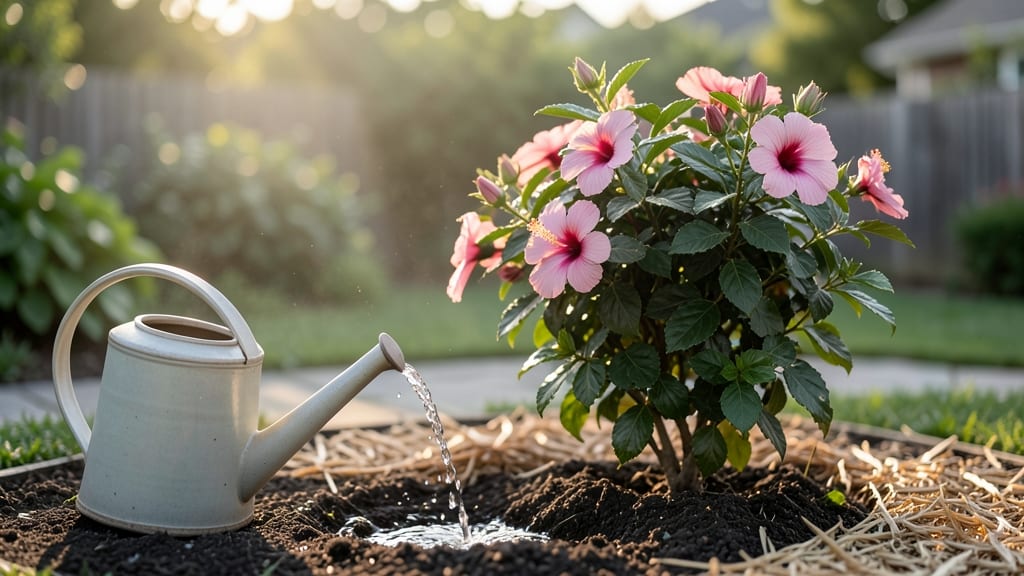
Watering hibiscus flowers 🌸 the right way is the difference between a plant that bursts with color and one that struggles to bloom.
Struggling to keep your hibiscus thriving? You’re not alone—many gardeners overlook the critical balance between too much and too little water. Hibiscus roots crave moisture, but soggy soil can suffocate them just as fast.
The key lies in deep, consistent watering that mimics their natural tropical habitat, adjusting for your climate and whether they’re in pots or planted in the ground.
In this guide, I’ll walk you through exactly how often to water your hibiscus, how to spot the warning signs of over- or under-watering, and the best techniques to keep those stunning blooms coming all season long.
Whether you’re dealing with scorching summers or chilly winters, you’ll learn how to tailor your watering routine for year-round success.
Skip the guesswork and discover the simple, science-backed methods that will transform your hibiscus from wilting to showstopping. Ready to unlock the secrets to lush, vibrant blooms? Let’s dive in.
How often to water hibiscus flowers for maximum blooms
Hibiscus plants thrive when their soil moisture levels stay consistently damp but never soggy. Unlike drought-tolerant succulents, these tropical beauties demand regular hydration—especially during their blooming season. The key is balancing deep watering with proper drainage to avoid root rot while fueling those stunning hibiscus flowers.
Your hibiscus’s watering needs shift dramatically between summer heatwaves and winter dormancy. In hot months, you might water daily, while in cooler seasons, bi-weekly sessions suffice. The soil type also plays a crucial role—sandy soil dries faster than clay, requiring more frequent checks.
Here’s the golden rule: water deeply until moisture reaches 6-8 inches down. This encourages roots to grow deeper, making your hibiscus more resilient. Shallow watering only wets the top layer, leaving roots thirsty and stressed. Let’s break down the perfect watering schedule for your climate and growing conditions.
| Season | Frequency | Soil Check | Watering Time |
|---|---|---|---|
| Spring | Every 2-3 days | Top 1-2 inches dry | Morning (8-10 AM) |
| Summer | Daily or every other day | Top 1 inch dry | Early morning or late evening |
| Fall | Every 3-4 days | Top 2-3 inches dry | Morning |
| Winter | Bi-weekly | Top 3-4 inches dry | Mid-morning |
For container-grown hibiscus, watering needs are more frequent because pots dry out faster. Check the soil daily in summer—if the top inch feels dry, it’s time to water. Self-watering pots can help maintain consistent moisture, but always ensure proper drainage holes are present to prevent waterlogging.
In-ground hibiscus typically require less frequent watering, but mulching with 2-3 inches of organic mulch (like shredded bark) helps retain moisture and regulate soil temperature. This simple step reduces evaporation and keeps roots cool during peak summer heat.
Watch for wilting leaves or yellowing foliage, which often signal underwatering. Conversely, mushy stems or leaf drop indicate overwatering. Adjust your schedule based on these visual cues—your hibiscus will thank you with bold, vibrant blooms all season long.
Pro tip: Use a moisture meter for accuracy, especially in unpredictable climates. These inexpensive tools take the guesswork out of watering and help you maintain the perfect balance between hydration and drainage.
Remember, hibiscus plants are heavy drinkers, but they hate soggy feet. Always pair deep watering with well-draining soil to keep roots happy and blooms abundant. With this seasonal watering guide, your hibiscus will flourish from spring through fall.
🌸
Signs of overwatering vs. underwatering hibiscus (and how to fix it)
Your hibiscus may look stunning, but its leaves tell a different story. Yellowing leaves or drooping stems often signal watering issues. Hibiscus thrives on consistent moisture but despises soggy roots. Let’s decode these signs and restore your plant’s health with targeted fixes.
First, check the soil moisture by sticking your finger 2 inches deep. If it feels damp, you’re likely overwatering. If dry, underwatering is the culprit. Both extremes stress hibiscus, leading to leaf drop or stunted blooms. The key is balance—deep watering every 2-3 days during summer.
Overwatering Hibiscus: Fixes & Caution
- Prevents leaf scorch in extreme heat
- Encourages lush foliage growth
- Reduces pest stress (e.g., spider mites)
- Causes root rot (mushy, black roots)
- Leads to yellowing leaves with brown edges
- Stunts flower production due to stress
For underwatered hibiscus, wilting leaves and crispy edges are telltale signs. The plant conserves water by dropping buds or leaves. To revive it, soak the roots thoroughly until water drains from the bottom. Use a moisture meter to track progress—aim for 60% moisture in summer.
Adjust your watering schedule based on the season. In winter, reduce frequency to bi-weekly as growth slows. Mulch around the base to retain moisture and regulate soil temperature. Morning watering is ideal—it prevents fungal diseases like powdery mildew that thrive in damp leaves.
If your hibiscus shows mushy stems or blackened roots, act fast. Trim affected roots with sterilized scissors and repot in fresh, well-draining soil. Add a fungicide to prevent further rot. For severe cases, propagate healthy cuttings to save the plant.
Remember, hibiscus hates extremes. Monitor soil moisture daily in containers (they dry faster) and adjust for climate shifts. With the right balance, your hibiscus will bounce back with bold blooms and vibrant leaves in no time. 🌸