
Flowers
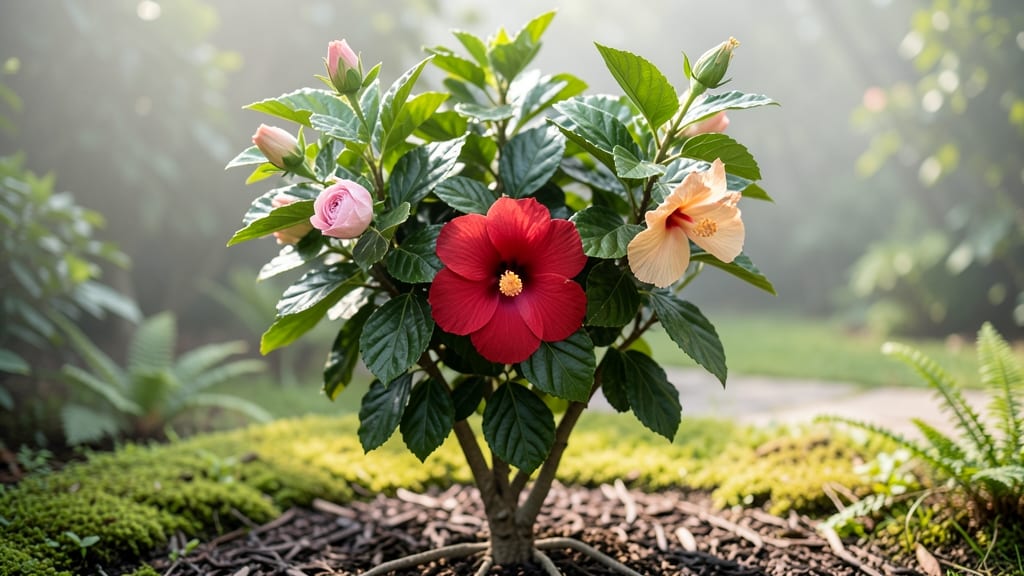
The hibiscus flower size can vary dramatically, from delicate 2-inch blooms to showstopping 12-inch giants, depending on the variety and care you provide.
Imagine a hibiscus flower so massive it could fit a child’s hand—or a towering shrub reaching 15 feet tall. Hibiscus varieties vary wildly in size, from compact patio dwarfs to jungle giants, and choosing the right type depends on your space, climate, and vision for your garden.
Some, like the 'Dwarf Red', stay under 2 feet tall, perfect for containers, while others, such as the 'Tropical Sunset', grow into small trees that need room to stretch their roots. The difference isn’t just about aesthetics—it’s about sunlight, soil, and how you prune.
In this guide, I’ll break down how to pick the right hibiscus for your space, what makes some blooms explode in size while others stay small, and the simple tricks to coax bigger, healthier flowers—no matter your zone.

Hibiscus flower size by variety: from miniature to monumental
Hibiscus plants are famous for their dramatic blooms, but did you know their sizes can range from palm-sized patio dwarfs to tree-like giants reaching 15 feet tall? The variety you choose will determine everything from your garden layout to maintenance needs.
Whether you have a tiny balcony or a sprawling yard, there’s a hibiscus cultivar that will thrive—and wow—there. Let’s explore the spectrum from miniature hibiscus to monumental specimens.
The size of a hibiscus isn’t just about height—it’s also about flower diameter, growth habit, and even root spread. Some varieties produce tiny 2-inch blooms on compact plants, while others showcase 10-inch flowers that resemble dinner plates.
Understanding these differences helps you pick the perfect hibiscus for your space, whether you’re dreaming of a hedge-like border or a showstopping focal point.
Below, I’ve organized hibiscus varieties by their mature size categories: compact (under 3 feet), medium (3-6 feet), and large (6+ feet). Each category includes examples of popular cultivars, their flower diameters, and ideal spacing recommendations to ensure your hibiscus thrives without crowding neighbors.
Let’s dive into the specifics!
| Category | Varieties | Height | Flower Size | Spacing | Growth Habit |
|---|---|---|---|---|---|
| Compact | 'Dwarf Red', 'Lil’ Kim', 'Pink Giant' | 1-3 ft | 2-4 inches | 1-2 ft apart | Upright shrubs |
| Medium | 'Disco Belle', 'Tropical Sunset', 'Lord Baltimore' | 3-6 ft | 4-6 inches | 3-4 ft apart | Bushy shrubs |
| Large | 'Hawaiian Sunset', 'Peruvian Night', 'Giant Peruvian' | 6-15 ft | 6-12 inches | 8-12 ft apart | Tall shrubs/trees |
| Vining | 'Crimson Rambler', 'Scarlet Runner' | 10-20 ft (with support) | 3-5 inches | 4-6 ft from trellis | Climbing vines |
Compact hibiscus varieties like 'Dwarf Red' are perfect for container gardening or small spaces. These plants typically stay under 3 feet tall and produce bright, 2-4 inch blooms that last for days. My favorite for balconies is
How to choose hibiscus size for your garden layout
When planning your garden, hibiscus size matters just as much as color or bloom time. A compact variety like 'Lil’ Kim' fits perfectly in containers or small borders, while tall tropical hibiscus like 'Tropical Sunset' makes a bold statement as a privacy hedge or backdrop.
Your choice depends on available space, sunlight exposure, and how much maintenance you’re willing to handle.
For urban gardens or patios, dwarf hibiscus (1-3 feet tall) thrive in 5-gallon containers and need minimal pruning. In contrast, tree hibiscus varieties (up to 15 feet) demand full sun and regular pruning to control their sprawling growth.
Let’s break down the best hibiscus sizes for your specific garden layout.
Hibiscus Size Guide: Pros & Cons
Compact Hibiscus (1-3 ft)
- ✅ Pros: Perfect for containers, balconies
- ✅ Pros: Low maintenance & pruning needs
- ✅ Pros: Blooms year-round in warm climates
- ❌ Cons: Limited flower size (3-5 inches)
- ❌ Cons: Needs frequent deadheading for continuous blooms
Medium Hibiscus (4-6 ft)
- ✅ Pros: Ideal for borders & hedges
- ✅ Pros: Larger flowers (6-8 inches)
- ✅ Pros: Hardier in cooler climates (Zones 7-10)
- ❌ Cons: Requires annual pruning for shape
- ❌ Cons: Needs more space than dwarf types
Tall Hibiscus (8-15 ft)
- ✅ Pros: Creates privacy screens & tropical vibes
- ✅ Pros: Massive blooms (8-12 inches)
- ✅ Pros: Long-lived with proper care
- ❌ Cons: Needs full sun & rich soil
- ❌ Cons: Heavy pruning 2x/year required
If you’re working with limited space, opt for dwarf hibiscus varieties like 'Lil’ Kim' or 'Dwarf Red'. These thrive in 5-gallon pots and bloom prolifically with minimal care. Their 3-5 inch flowers may be smaller, but they pack a punch with vibrant colors like crimson, pink, and yellow.
Just ensure they get 6+ hours of sunlight daily to encourage continuous blooming.
For borders or mixed beds, medium-sized hibiscus (4-6 feet) strike the perfect balance. Varieties like 'Blue Chiffon' or 'Pink Giant' offer larger flowers (6-8 inches) and longer stems, making them ideal for cutting gardens.
These types also tolerate cooler temperatures better than tropical varieties, extending their growing season in USDA Zones 7-10.
When you want to make a dramatic statement, tree hibiscus (8-15 feet) are unbeatable. The 'Tropical Sunset' variety, for example, grows into a small tree with 10-inch blooms in shades of orange, yellow, and red.
Plant these as focal points in tropical-themed gardens or along fences for instant privacy. Just be prepared for regular pruning—these giants can grow 3 feet per year if unchecked.
Remember, hibiscus size isn’t just about height—it’s also about flower diameter and growth habit. A spreading shrub like 'Disco Belle' may stay under 4 feet but spreads 5 feet wide, while a tall, upright variety like 'Hawaiian Sunset' grows vertically.
Plan accordingly to avoid overcrowding or wasted space in your garden layout.
🌿