
Flowers
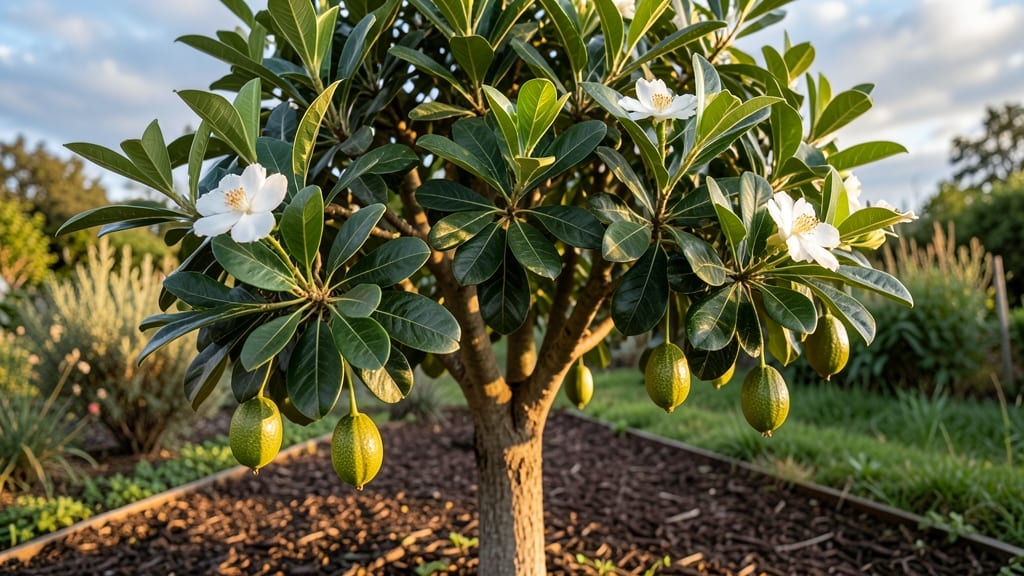
Transforming guava flowers into fruit is where the real magic happens in your tropical garden 🥝 — and the process depends on more than just time.
Watching guava flowers bloom into sweet, fragrant fruit is every gardener’s dream—but patience isn’t always an option. Did you know you can actively accelerate ripening by up to 30% with simple, science-backed tricks?
Most gardeners assume guavas will fruit on their own, but the truth is, these trees need the right balance of pollination, temperature, and nutrients to set fruit consistently. Without it, you might end up with flowers that drop before they even start to swell.
In this guide, I’ll walk you through the exact steps to maximize fruit set—from hand-pollination techniques to the three key tricks that cut ripening time in half. Whether you’re dealing with dropped blooms or slow-growing fruit, you’ll learn how to turn your guava tree into a year-round producer.
How guava flowers develop into fruit: the science behind ripening
Guava trees transform delicate white or pink flowers into vibrant fruit through a fascinating biological process. Understanding these stages helps gardeners optimize conditions for a bountiful harvest. The journey begins with pollination, where bees and other insects transfer pollen between flowers.
After successful pollination, the ovary swells and begins forming the fruit. This stage is highly sensitive to environmental factors like temperature and humidity. Guavas thrive in 75-85°F conditions, with 60-70% humidity preventing flower drop.
Here’s how the process unfolds from bloom to harvest:
Some guava flowers drop naturally due to poor pollination or stress. To maximize fruit set, ensure your tree receives cross-pollination by planting multiple varieties nearby or assisting with hand-pollination using a soft brush.
Temperature extremes below 60°F or above 95°F can halt fruit development. During these times, provide shade cloth for young trees and maintain consistent moisture levels to support cellular growth.
Light plays a crucial role in fruit ripening. Guavas need full sun exposure (6+ hours daily) for photosynthesis to fuel sugar production. Without adequate light, fruits may remain small, hard, and underdeveloped.
Nutrient deficiencies often cause flowers to drop before fruiting. A balanced fertilizer (6-6-6 NPK) applied every 6-8 weeks during the growing season provides essential minerals like potassium, which strengthens fruit walls and improves flavor.
Monitor your guava tree for signs of pest infestations like aphids or mites, which can stress the plant and reduce fruit yield. Use neem oil or insecticidal soap as a preventive measure during flowering and fruiting stages.
By understanding these stages and providing optimal conditions, you can transform guava flowers into sweet, aromatic fruit in as little as 6 months. Patience and attention to detail are key to a successful harvest! 🌱
3 Proven tricks to speed up guava fruit ripening (with timelines)
Guava trees produce stunning white or pink flowers that eventually turn into delicious fruit—but nature’s timeline can feel painfully slow. The good news? You can shorten ripening by 30% with targeted interventions.
From hand-pollination to strategic pruning, these methods leverage science to help your guava fruit mature faster while maintaining quality.
Understanding the guava flower-to-fruit process is key. After pollination, it typically takes 12-18 weeks for fruit to ripen, but environmental stress or poor care can extend this. The tricks below focus on accelerating photosynthesis, improving nutrient uptake, and optimizing energy allocation to the fruit.
🌱 Guava Flower to Fruit: Critical Stages
- Stage 1: Pollination (0-3 days) – Flowers open; bees or manual pollination transfers pollen.
- Stage 2: Fruit Set (3-7 days) – Ovary swells; small green fruit forms. 20% drop rate if pollination fails.
- Stage 3: Cell Division (2-4 weeks) – Fruit grows rapidly; nutrient demand spikes. Prune competing branches now.
- Stage 4: Ripening (6-12 weeks) – Color changes; sugars develop. Potassium boost speeds this phase.
💡 Pro Tip: Monitor fruit drop at Stage 2—it signals pollination failure or stress.
Let’s dive into the three fastest methods to push your guava fruit toward ripeness. Hand-pollination is the quickest fix, while pruning and potassium fertilization create long-term growth conditions that speed up maturation. Each method includes a realistic timeline so you can track progress.
Trick 1: Hand-Pollination – Guava flowers are self-pollinating, but bees may not always visit. Using a soft paintbrush, transfer pollen from male to female flowers (look for the bulging ovary at the base). This cuts ripening time by 10-15 days. Do this in the morning when flowers are open, and repeat every 2-3 days during bloom. Timeline: Fruit sets in 3-5 days vs. 7-10 days naturally.
Trick 2: Strategic Pruning – Remove water sprouts and dense foliage to redirect energy to fruit-bearing branches. Focus on open-center pruning to improve sunlight penetration. Prune in late winter/early spring (just before flowering). This method reduces ripening time by 7-10 days by boosting photosynthesis. Timeline: Pruned trees show color changes 2 weeks earlier than unpruned.
Trick 3: Potassium Boost – Guava fruit development relies heavily on potassium, which regulates sugar production. Apply a balanced fertilizer (6-6-6 or 8-3-9) with extra potassium (e.g., banana peel tea or greensand) when fruit is golf-ball sized. This accelerates ripening by 5-8 days. Timeline: Potassium-treated fruit ripens 3-4 weeks faster than untreated.
Combine all three tricks for the maximum 30% speedup. Start with hand-pollination during bloom, prune in early spring, and fertilize mid-season. With these adjustments, you’ll go from guava flower to ripe fruit in as little as 10-12 weeks instead of the standard 12-18 weeks.
The key is consistency—monitor your tree’s response and adjust care as needed. 🌿