
Blooming
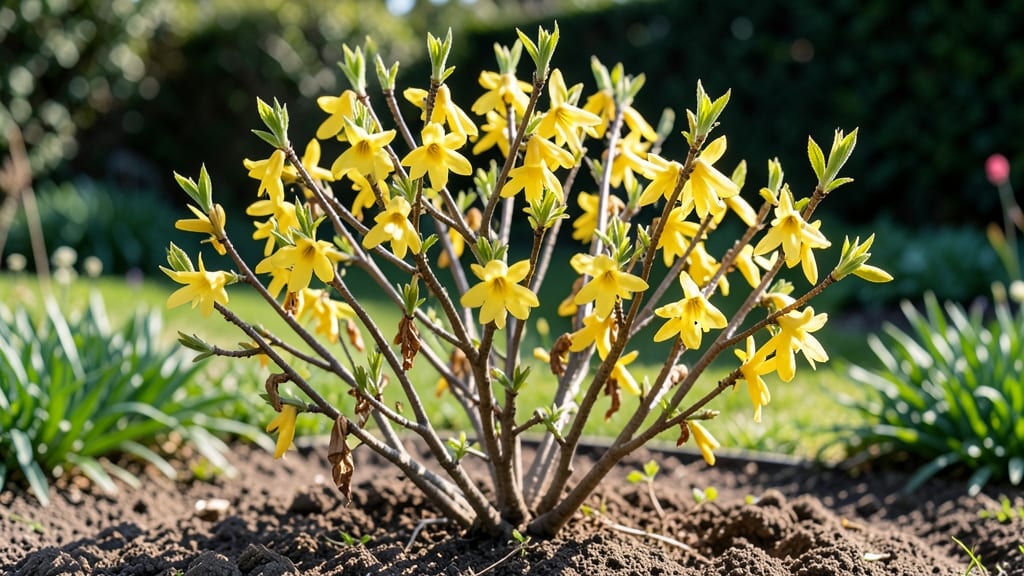
The forsythia flowering time is your cue to prune for next year’s showstopper display—typically between late winter and early spring, when those bright yellow blooms 🌸 light up the garden.
If you’ve ever waited impatiently for your forsythia to bloom, only to be met with silence, you’re not alone. The secret lies in understanding its natural cycle and giving it the right care at the right time.
A little pruning after flowering can mean the difference between a sparse handful of blooms and a bush bursting with color.
Climate plays a huge role—warmer zones like 6a might see blooms as early as February, while cooler areas could push flowering into April. Varieties also matter, with some like 'Spectabilis' blooming earlier than others. Knowing these details helps you time pruning perfectly for maximum impact.
In this guide, I’ll break down the exact months for blooming, how to prune for next year’s flowers, and tips to keep your forsythia thriving. Let’s get your shrub ready for its star turn in spring!
Forsythia flowering time: exact months and climate dependencies
Forsythia bushes are famous for their bright yellow blooms that signal spring’s arrival. But the exact forsythia flowering time depends heavily on your climate zone and local weather patterns.
In most regions, you’ll see those cheerful flowers appear between late February and early April, though early bloomers can start as soon as January in warm areas.
The USDA Zone 7-9 typically enjoys the earliest displays, often in February or March, while colder zones like Zones 4-6 may wait until March or April when frost risks subside.
Even within the same zone, a mild winter can push blooms forward by weeks, while a late frost might delay them.
Here’s how your region affects timing:
Temperature isn’t the only factor—sunlight exposure and soil temperature also play roles. Forsythias need at least 6 hours of sun daily to set buds properly. If your bush is in partial shade, blooms may arrive later or be less abundant.
Even in ideal conditions, young plants (under 3 years old) often bloom 2-3 weeks later than mature bushes.
Predicting your forsythia’s peak bloom window starts with tracking local frost dates. Use your last average frost date as a baseline, then add 2-4 weeks for most varieties. For example, if your area’s last frost is April 10, expect blooms between March 15 and April 1.
Pro tip: Mark your calendar when you see the first buds—this helps you time pruning for next year’s display.
Watch for these early signs of blooming to fine-tune your predictions: swollen buds in late winter, fresh green leaves emerging, and a slight sweet scent in the air.
In my Zone 7 garden, I’ve noticed that ‘Kern’s Gold’ blooms 7-10 days earlier than ‘Spectabilis’, thanks to its more aggressive growth habit. Variety matters just as much as climate!
If your forsythia isn’t flowering when expected, check these three common culprits:
- Over-pruning (cutting back too late in the season)
- Poor sunlight (less than 4 hours of direct sun)
- Stress from drought or transplant shock
Fix these issues, and you’ll likely see blooms return to their usual schedule the following year.
For gardeners in cooler climates (Zones 4-6), a little trick can encourage earlier blooms: Mulch heavily in fall to insulate roots and water deeply in late winter to wake up dormant buds.
In warmer zones, avoid heavy summer pruning, as this can delay next year’s flowers by 3-4 weeks.
Timing isn’t just about when forsythias bloom—it’s about maximizing their impact in your landscape. By understanding your local climate and variety specifics, you can plan companion plants (like early bulbs or spring annuals) to create a sequential bloom display that lasts from February through May.
That’s the real magic of forsythia!
When to prune forsythia for maximum blooms next year (critical timeline)
Pruning your forsythia at the right time is the key to unlocking a show-stopping display of yellow blooms next spring. Unlike many shrubs that bloom on old wood, forsythia flowers on new growth, which means timing matters more than you might think.
If you prune too early or too late, you risk cutting off next year’s buds entirely.
Most gardeners make the mistake of pruning in late fall or winter, believing it’s better to tidy up before dormancy. But this approach actually reduces flowering potential because you’re removing potential bloom stems before they even form.
The secret lies in waiting until right after flowering—typically in late April or early May—when the plant has finished its spring show.
Here’s the critical timeline: Prune within 2-4 weeks after your forsythia stops flowering. This gives the plant time to set new buds for next year while still allowing you to shape the shrub before summer growth gets too vigorous.
Missing this window means you’ll either prune too late (risking next year’s blooms) or too early (sacrificing current season shape).
⚠️ Forsythia Flowering Time Warning
Never prune after mid-summer! Forsythia sets its next year’s flower buds in late summer and fall. Pruning after July 15 risks cutting off these critical buds, resulting in fewer or no blooms the following spring. Mark your calendar for late April to early May—this is your only safe pruning window.
When you prune at the right time, you’ll encourage thicker, bushier growth and more abundant blooms. Start by removing dead, diseased, or crossing branches first—these compete with healthy growth for energy. Then, cut back up to one-third of the oldest stems to the ground to rejuvenate the shrub.
This opens up the center for better airflow and sunlight penetration, which both boost flowering.
Use sharp, clean pruners to make 45-degree cuts just above a bud or lateral branch. Avoid leaving stubs, as they can invite disease.
If your forsythia is overgrown, you can prune it back harder in stages over 2-3 years—never more than one-third of the plant in a single year. This gradual approach prevents shock and ensures a strong recovery.
After pruning, give your forsythia a light fertilizer application with a balanced 10-10-10 formula to support new growth. Water deeply to help the plant recover, and mulch around the base to retain moisture and regulate soil temperature.
With this timing and care, your forsythia will reward you with even more spectacular blooms next spring.
Pro tip: Take photos of your forsythia’s shape before pruning. This helps you visualize where to make cuts and ensures you don’t over-prune. Happy pruning—your future blooms will thank you! 🌸