
Shrubs
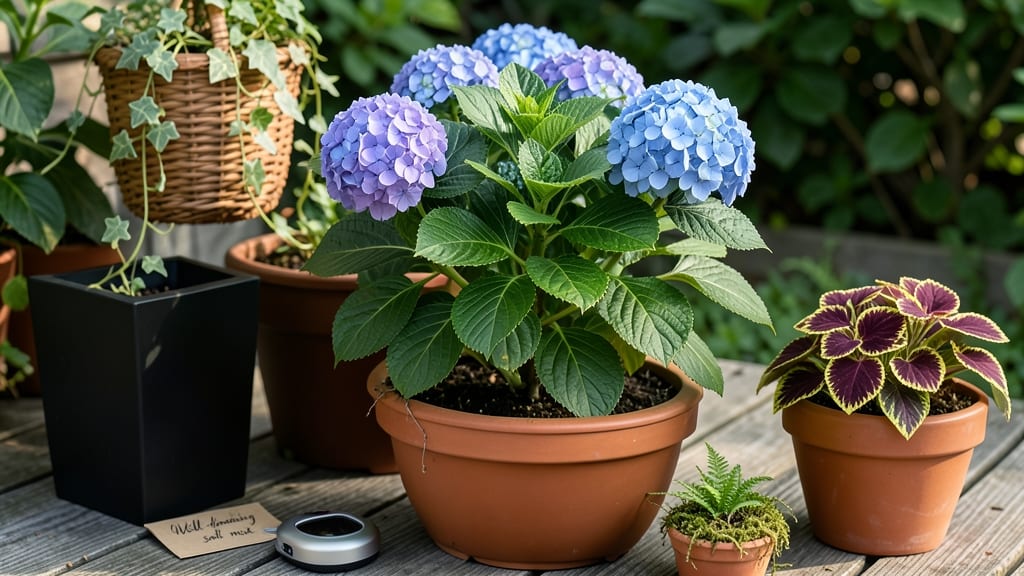
Container-friendly flowering shrubs bring bold color to small spaces without needing a sprawling garden bed.
Picture this: your balcony bursting with year-round blooms, your patio transformed into a fragrant retreat, or even a tiny yard packed with vibrant life—all from plants that stay compact and thrive in pots.
These aren’t just shrubs; they’re design game-changers that adapt to your space, not the other way around.
From dwarf hydrangeas that spill over edges to compact lilacs that perfume the air, the right shrubs turn containers into living art. They’re low-maintenance, frost-tolerant, and—when paired right—create layers of texture and height that rival a full garden.
The key? Choosing varieties that match your sun exposure, soil, and container size.
Below, I’ll share the top 10 flowering shrubs for containers, their care secrets, and how to combine them for maximum impact—plus the one mistake that kills blooms before they even start. Let’s get planting!
Top 10 flowering shrubs perfect for container gardening
Container gardening opens up endless possibilities for adding color and texture to small spaces without sacrificing beauty. The key lies in selecting compact, hardy flowering shrubs that thrive in confined root zones while delivering seasonal blooms and lush foliage.
Unlike their in-ground counterparts, these varieties are bred to stay proportionate to their pots, making them ideal for balconies, patios, and even indoor sunrooms.
When choosing shrubs for containers, focus on three critical factors: mature size, sunlight tolerance, and frost hardiness. A 15-gallon container can accommodate shrubs up to 3 feet tall, while larger pots (25+ gallons) support 4-6 foot varieties.
Most container shrubs prefer 6+ hours of sunlight daily, though some adapt to partial shade. For year-round success, prioritize varieties rated for USDA Zones 5-9 to handle temperature swings.
| Shrub Name | Mature Height | Sun Needs | Container Size | Bloom Season |
|---|---|---|---|---|
| Dwarf Hydrangea | 3-4 ft | Partial shade | 15-20 gallons | Summer-Fall |
| Abelia 'Kaleidoscope' | 3-5 ft | Full sun | 20-25 gallons | Spring-Fall |
| Dwarf Lilac | 4-6 ft | Full sun | 25+ gallons | Spring |
| Weigela 'Wine & Roses' | 5-6 ft | Full sun | 25+ gallons | Spring-Summer |
| Dwarf Butterfly Bush | 3-4 ft | Full sun | 20 gallons | Summer-Fall |
| Potentilla 'Fireworks' | 2-3 ft | Full sun | 15 gallons | Summer-Fall |
| Dwarf Fothergilla | 3-4 ft | Partial shade | 20 gallons | Spring |
| Dwarf Spirea | 2-3 ft | Full sun | 15 gallons | Spring-Summer |
| Dwarf Boxwood 'Green Mound' | 2-3 ft | Partial shade | 10-15 gallons | Year-round |
| Dwarf Azalea | 2-3 ft | Partial shade | 15 gallons | Spring |
My top pick for beginner-friendly containers is Dwarf Hydrangea, which thrives in partial shade and produces showy blooms from summer to fall. Its 3-4 foot height fits perfectly in a 15-gallon pot, making it ideal for small patios.
For full-sun lovers, Abelia 'Kaleidoscope' offers year-round interest with glossy foliage and spring-to-fall blooms in shades of pink and white.
How to choose and prepare containers for flowering shrubs
Selecting the right container is the foundation for thriving flowering shrubs in pots. Unlike annuals, shrubs live for years, so their containers must support root growth while preventing overwatering or root rot.
Start by matching the pot size to your shrub’s mature height—a dwarf hydrangea needs at least a 12-inch diameter container, while a compact lilac requires 18-24 inches for stability.
Material matters too. Terracotta pots breathe better but dry out faster, while plastic containers retain moisture longer. For heavy shrubs like abelia, opt for fiberglass or resin to avoid tipping. And always prioritize drainage holes—no exceptions. Without them, roots suffocate, and blooms fizzle out by summer.
Container Material Comparison
Terracotta
- ✅ Pros: Natural drainage, breathable, aesthetic
- ❌ Cons: Heavy when wet, breaks in freeze-thaw cycles
Plastic
- ✅ Pros: Lightweight, affordable, retains moisture
- ❌ Cons: Can overheat roots in sun, less durable
Fiberglass/Resin
- ✅ Pros: Weather-resistant, lightweight, stylish
- ❌ Cons: Higher cost, limited drainage options
Wood
- ✅ Pros: Rustic charm, insulates roots
- ❌ Cons: Requires sealing, rots over time
Soil mix is just as critical as the pot. Avoid garden soil—it compacts and blocks roots. Instead, blend 50% high-quality potting mix with 30% perlite or pumice for aeration, and 20% compost for nutrients.
For acid-loving shrubs like azaleas, add peat moss to lower the pH. Always test your mix’s moisture retention by squeezing a handful—it should crumble slightly when dry but hold shape when damp.
Depth matters too. Shrubs need 12-18 inches of soil depth to establish strong roots. If your pot is shallow (like a window box), layer gravel or broken pottery at the bottom for extra drainage.
Pro tip: Add a slow-release fertilizer like osmocote to the soil mix at planting time. This feeds roots steadily for 3-4 months, reducing the need for frequent top-dressing.
Placement isn’t just about sunlight—it’s about airflow. Crowding containers stifles growth and invites pests. Space pots 6-12 inches apart to allow air circulation. For cascading shrubs like weeping abelia, hang containers near edges or use tiered stands to create vertical interest.
And always place pots on casters or wheels if you move them seasonally—shrubs hate being uprooted.
Finally, overwintering prep starts in fall. Move containers to protected spots (like against a south-facing wall) and wrap them in burlap or frost blankets if temperatures drop below 20°F.
For extra insulation, bury pots halfway in straw or mulch. This simple step prevents root heave and keeps shrubs blooming come spring.