
Flowers
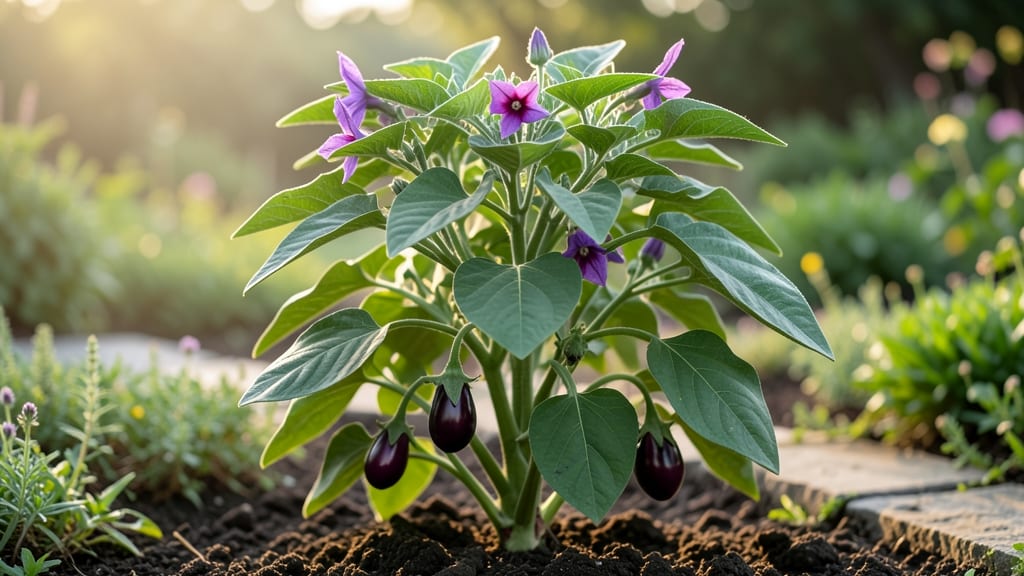
Eggplant flower buds dropping before they bloom can turn your hard work into a frustrating waste of time — but there’s a way to fix it before your harvest season ends.
Picture this: you’ve nurtured your 🍆 plants all spring, only to watch those delicate buds fall off like confetti in a breeze. It’s a heartbreaking sight, especially when you’re so close to a bountiful harvest.
The good news? Most cases of bud drop are preventable with the right care and a few simple adjustments.
From temperature swings to pollination problems, I’ll walk you through the most common reasons why your eggplant buds fail to set fruit — and exactly what you can do to keep them on the plant where they belong.
Whether you’re a beginner or a seasoned gardener, these tips will help you save your buds and enjoy a full harvest from July through September.
5 Common reasons why eggplant flower buds drop (and how to fix them)
If you've ever watched your eggplant plants develop beautiful flower buds only to have them drop before blooming, you're not alone. This frustrating issue can wipe out your entire harvest if left unchecked.
The good news? Most cases of bud drop are preventable with the right care. Understanding the root causes—from temperature stress to nutrient imbalances—lets you take corrective action fast.
Eggplants are heat-loving plants that thrive in warm conditions, but even slight deviations can cause them to abort their flower buds. Common triggers include extreme heat, poor pollination, overwatering, and nutrient deficiencies.
Let’s break down the top 5 reasons your eggplant buds are dropping—and how to fix each one before it’s too late.
🌱 5 Fixes for Eggplant Flower Bud Drop
-
1. Temperature Stress
Bud drop often happens when temps exceed 90°F or drop below 60°F. Use shade cloth or mulch to stabilize soil temps. -
2. Poor Pollination
Hand-pollinate flowers with a soft brush or gently shake plants to encourage fruit set. -
3. Overwatering
Eggplants need consistent moisture, but soggy soil causes root stress. Water deeply 2-3x per week and improve drainage. -
4. Nutrient Deficiency
Add balanced fertilizer (10-10-10) every 4-6 weeks and monitor for yellowing leaves (nitrogen deficiency). -
5. Transplant Shock
Hardened seedlings and mulching help reduce stress. Avoid transplanting when temps are below 70°F.
Let’s start with the most common culprit: temperature stress. Eggplants are sensitive to both heat waves and cool nights. When daytime temperatures climb above 90°F or drop below 60°F at night, your plant’s energy shifts from flowering to survival, causing bud drop.
To protect your plants, provide afternoon shade with a 30-50% shade cloth during heatwaves, and use black plastic mulch to warm soil in cooler climates.
Another frequent issue is poor pollination. Eggplants rely on bees and other pollinators, but if your garden lacks visitors—or if you’re growing indoors—flowers may not set fruit. You can help by hand-pollinating with a soft paintbrush or by gently shaking the plants in the morning.
Look for wilted or unopened flowers as signs that pollination failed. If you notice this, act quickly—buds drop within 24-48 hours of failing to pollinate.
Overwatering is a sneaky culprit that many gardeners overlook. While eggplants need consistent moisture, soggy soil can suffocate roots and trigger bud drop.
To avoid this, water deeply 2-3 times per week (about 1-2 gallons per plant) and always water at the base of the plant in the morning. Improve drainage by amending soil with compost or perlite and avoid letting plants sit in standing water.
Nutrient deficiencies—especially calcium, phosphorus, and potassium—can also cause buds to drop prematurely. If your eggplants show yellowing leaves (nitrogen deficiency) or weak stems (calcium deficiency), apply a balanced fertilizer (like 10-10-10) every 4-6 weeks.
For a quick fix, sprinkle crushed eggshells around the base for extra calcium. Always water after fertilizing to prevent root burn.
Finally, transplant shock can wreak havoc on young eggplant seedlings. If you move plants too soon or into stressful conditions (like cold soil or wind exposure), they’ll drop buds as they focus on recovery.
To minimize shock, harden off seedlings for 7-10 days before transplanting, and choose a warm, sunny spot with well-draining soil. Mulching with straw or grass clippings helps retain moisture and regulate soil temperature.
By addressing these five common issues, you’ll give your eggplants the best chance to thrive and produce a bountiful harvest. Keep an eye on your plants daily, and don’t hesitate to adjust your care routine as needed.
With the right conditions, your eggplants will reward you with healthy buds, beautiful blooms, and delicious fruit all season long! 🌿
How to hand-pollinate eggplant flowers for maximum fruit set
When your eggplant flower buds bloom but fail to produce fruit, the issue is often poor pollination. Eggplants rely on bees, wind, or gentle vibrations to transfer pollen, but sometimes these natural methods fall short.
If you're dealing with low pollinator activity or poor weather conditions, hand-pollination is a simple yet effective solution. This method ensures that pollen reaches the female flowers directly, giving you a better chance of a bountiful harvest.
Hand-pollination is especially useful in greenhouse settings or during hot, dry spells when bees are less active. Even in outdoor gardens, this technique can boost fruit set when natural pollinators are scarce. The best part?
You don’t need any fancy tools—just a little patience and the right timing. By following a few simple steps, you can dramatically increase your eggplant yield and reduce the heartbreak of dropped flower buds.
Step-by-Step Guide to Hand-Pollinating Eggplant Flowers
-
Step 1: Identify the Right Flowers
Look for eggplant flowers that are fully open and have a small ovary at the base (this is the female flower). Male flowers have long stems and no ovary. -
Step 2: Gather Your Tools
You’ll need a soft paintbrush or cotton swab to collect pollen. Avoid using your fingers to prevent spreading diseases. -
Step 3: Collect Pollen
Gently brush the anthers (the yellow pollen-bearing parts) of a male flower or another open eggplant flower. The pollen will stick to your brush. -
Step 4: Transfer Pollen
Dip the pollen-covered brush into the center of the female flower (the stigma). Apply gentle pressure to ensure pollen adheres. -
Step 5: Repeat Daily
Pollinate 2-3 times per week during peak flowering (early morning or late afternoon) for best results. Consistency is key!
Timing is everything when it comes to hand-pollinating eggplant flowers. The best time to pollinate is in the early morning, when flowers are fully open and dew has evaporated. This reduces the risk of fungal infections and ensures pollen is fresh and viable.
Avoid pollinating in the afternoon heat, as the flowers may wilt or close prematurely, making it harder to transfer pollen effectively.
After pollinating, keep an eye out for signs of successful pollination. Within a few days, you should see the flower buds begin to swell and develop into small eggplants. If the buds drop again, it could indicate nutrient deficiencies, overwatering, or temperature stress.
In this case, adjust your care routine and try pollinating again once conditions improve. Patience and consistency are key to a successful harvest!
If you’re growing eggplants in a greenhouse or an area with limited pollinators, hand-pollination can become a regular part of your routine. Over time, you’ll develop a feel for which flowers are most receptive and when the best times to pollinate are.
With a little practice, you’ll see a noticeable increase in fruit set and a healthier, more productive eggplant plant. Happy gardening!