
Flowers
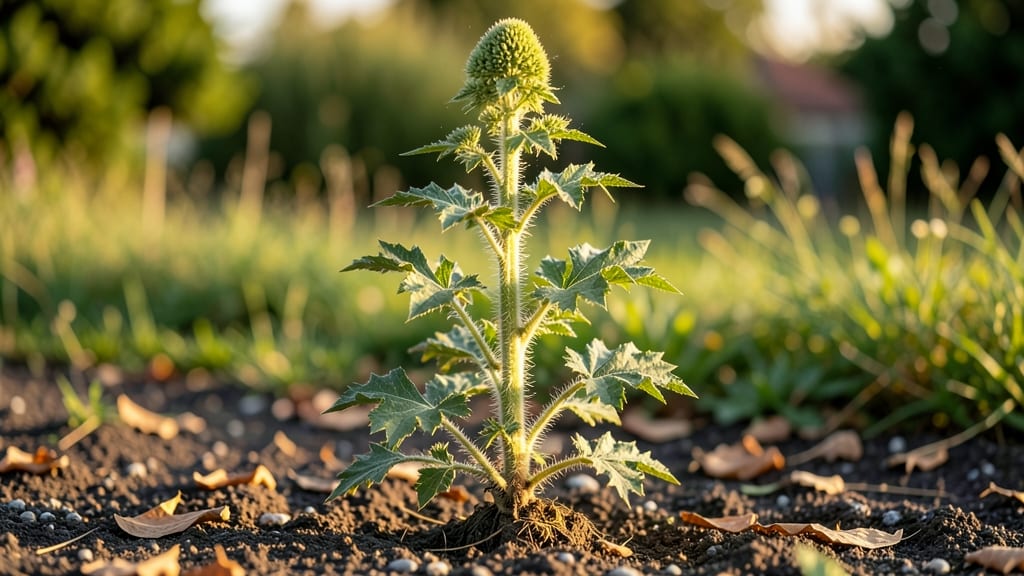
Ragweed does flower, and those tiny blooms are the reason your allergies rage from late summer into fall 🌾.
If you’ve ever wondered why your allergies spike in late summer and fall, the culprit might be lurking in your yard—ragweed. This notorious plant spreads pollen relentlessly, but when exactly does it flower, and how long does its pollen-producing phase last?
Most ragweed plants bloom between August and October, with some lingering until frost. The flowers are small, greenish clusters that go unnoticed until they release clouds of pollen—each plant can produce up to 1 billion grains per season.
Below, we’ll break down when to expect those sneeze-inducing blooms, how long they last, and what you can do to minimize their impact on your yard and your sinuses.
When does ragweed flower: seasonal timeline & key triggers
Ragweed (Ambrosia spp.) is notorious for triggering allergies, but its flowering timeline is surprisingly predictable. Most varieties begin blooming in late July or August, with peak pollen production occurring between August and October. This window aligns with when many gardeners notice their seasonal allergies flare up.
Unlike ornamental flowers, ragweed’s blooms are small, greenish, and clustered at the top of its 1-5 foot stalks. These flowers are wind-pollinated, meaning they don’t rely on bees or butterflies. Instead, they release massive amounts of pollen—up to 1 billion grains per plant—that can travel miles.
The exact timing of ragweed flowering depends on your USDA hardiness zone. In warmer southern zones (7b+), blooms may start as early as June or July, while northern regions (5a and colder) often see delayed flowering until late August or September.
| Stage | Key Features | Environmental Triggers |
|---|---|---|
| Early Growth | Leaves emerge in spring (April-May); plant reaches 6-12 inches | Warm soil temps (60°F+), full sun exposure |
| Pre-Flowering | Stalks elongate rapidly; leaf clusters thicken | Daylength increases (14+ hours of sunlight) |
| Peak Flowering | Greenish flower clusters appear; pollen release begins | Stable temps (70-85°F); dry conditions |
| Seed Maturation | Flowers wilt; seeds turn brown and dry | Cooler temps (below 60°F); frost approaching |
Temperature plays a crucial role in triggering ragweed’s flowering. Plants typically require consistent daytime temperatures above 70°F to initiate blooming. In my Zone 6a garden, I’ve noticed flowering starts earlier in years with hotter Julys, sometimes as much as 2 weeks ahead of schedule.
Sunlight is another critical factor. Ragweed thrives in full sun conditions (6+ hours daily) and will delay flowering if shaded. Even partial shade can reduce pollen production by up to 40%, which is why you’ll rarely find it thriving under trees or dense shrubs.
Moisture levels also influence timing. While ragweed is drought-tolerant, moderate soil moisture in spring promotes faster growth and earlier flowering. Overly dry conditions can delay blooming by 1-2 weeks, while excessive water can weaken stems and reduce pollen output.
If you’re dealing with ragweed in your landscape, note that first-year plants often flower later than established ones. Young ragweed may not bloom until late August or September, while mature plants can start as early as mid-July. This staggered timeline explains why allergy sufferers experience symptoms for months.
Regional variations extend beyond hardiness zones. Coastal areas with milder summers may see delayed flowering, while inland regions experience earlier blooms due to hotter, drier conditions. In my experience, Midwest gardens often have the most aggressive ragweed cycles because of the combination of heat, wind, and disturbed soils.
Understanding these triggers helps with pollen management. For example, mowing ragweed before flowering (when stalks reach 12 inches tall) can reduce pollen spread by 70%. Timing is everything—wait too long, and you’ll be battling allergies instead of the plant itself.
🌾
How long ragweed flowers last: pollen production duration & lifecycle
Ragweed may not produce showy blooms like your prized roses, but its pollen-producing flowers are the reason allergy sufferers dread late summer. Once ragweed begins flowering, it typically stays in its pollen-producing phase for 4 to 8 weeks, depending on environmental conditions.
Understanding this lifecycle helps you time your allergy management and control efforts more effectively.
The duration of ragweed's flowering period varies based on the specific species—common ragweed (Ambrosia artemisiifolia) and giant ragweed (Ambrosia trifida) are the most troublesome.
While common ragweed usually flowers for about 6 weeks, giant ragweed can extend its pollen production to 8 weeks or longer in ideal conditions. This variation explains why some years feel worse for allergies than others.
Here’s what you need to know about ragweed’s flowering timeline and why it persists so long:
Ragweed seeds sprout in spring (April-May) after the last frost. They thrive in disturbed soils like garden beds or construction sites.
Plants grow 1-5 feet tall in 60-90 days, with rapid expansion fueled by full sun and minimal competition.
Blooms appear in late July-August, starting with greenish flower clusters at the stem tips.
Maximum pollen release occurs for 4-6 weeks, with each plant releasing 1 billion pollen grains per season.
Seeds dry by October-November, ensuring next year’s infestation if left unchecked.
Some ragweed plants persist longer because they emerge from deep soil seeds that germinate later in the season. These late bloomers can extend the pollen season into early October, especially in regions with mild winters.
The key to shortening this cycle is removing plants before seed formation, which cuts off the pollen production early.
If you’re battling ragweed in your yard, focus on hand-pulling or mowing plants before they develop seed heads. Even a 10% reduction in ragweed can significantly improve your allergy symptoms during peak season. For severe cases, consider natural herbicides or professional removal services to break the lifecycle entirely.
Understanding ragweed’s flowering duration helps you stay ahead of its pollen production. With the right timing and control methods, you can reclaim your yard—and your breathing—during allergy season. 🌾