
Watering
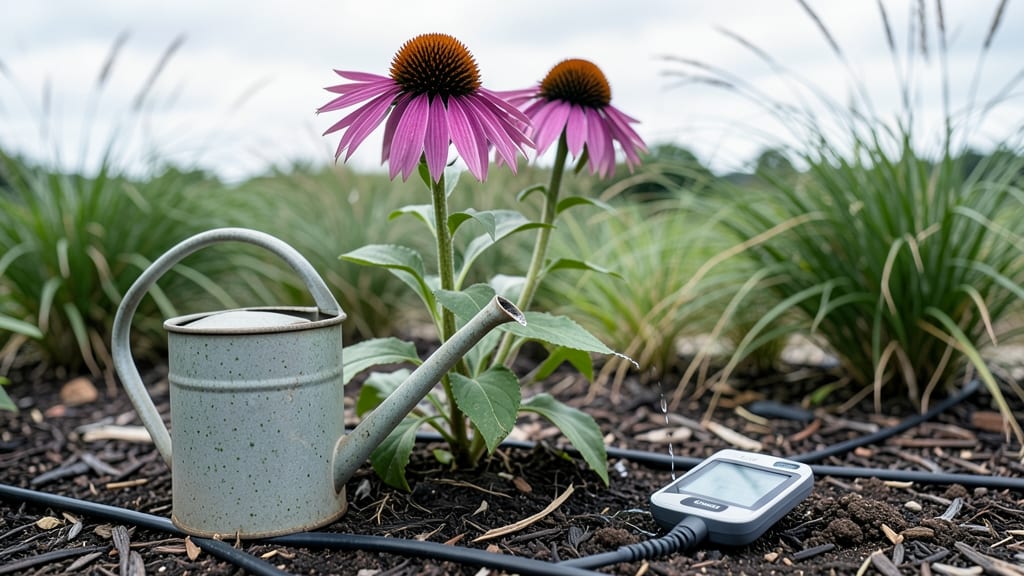
Mastering the coneflower water requirements ensures those vibrant purple blooms thrive without wasting a drop—here’s the exact schedule and smart techniques to keep them happy.
You’ve probably overwatered them once (or twice) and watched the roots rot, or let them dry out and seen the leaves wilt. The truth? Coneflowers are tougher than they look, but they still need the right balance of moisture to shine.
In this guide, I’ll break down how much water coneflowers need each season, how to tell if they’re thirsty or drowning, and the best tools—like mulch and drip irrigation—to make watering effortless.
By the end, you’ll know exactly when to water, how to adjust for drought or heavy rain, and how to keep your coneflowers blooming like a pro all summer long.
How much water do coneflowers need monthly for optimal Growth?
Coneflowers (Echinacea) are famously drought-tolerant once established, but their water needs shift dramatically between seasons and soil types. As a gardener who’s nurtured these purple powerhouses for years, I’ve learned the hard way that overwatering is just as deadly as underwatering.
Let’s break down the monthly watering schedule tailored to your climate and soil—because a one-size-fits-all approach won’t cut it.
Your soil type is the first factor to consider. Sandy soil drains quickly, while clay soil holds moisture like a sponge. Even rainfall plays a role—if your area gets 1 inch of rain per week, you’ll need to adjust your watering routine.
Think of coneflowers as thirsty teens: they need consistent hydration when young but become low-maintenance adults. Let’s dive into the specifics.
Spring is when your coneflowers need the most attention. Young plants or those in sandy soil should receive 1-2 inches of water weekly, delivered in the early morning to prevent fungal diseases.
Use a moisture meter or stick your finger 2 inches deep—if it’s dry, water again. Overwatering in spring leads to root rot, while underwatering causes stunted blooms.
Summer is peak watering season, especially in clay soil where moisture lingers.
I’ve seen coneflowers wilt dramatically in heatwaves, so aim for deep watering 2-3 times per week. Drip irrigation is ideal—it delivers water slowly to the roots while keeping leaves dry. Mulch heavily (3-4 inches) to retain moisture and regulate soil temperature.
If your area gets regular rainfall, cut watering by 50%.
Fall signals the beginning of dormancy. By September, reduce watering to every 10-14 days for loamy soil and monthly for clay soil. The goal is to encourage root hardening before winter.
Skip watering entirely if you’ve had 0.5 inches of rain—coneflowers store moisture in their deep taproots for survival.
Winter is a hands-off season. Est
5 Signs your coneflowers are thirsty (or drowning) and how to fix it
Coneflowers are famously drought-tolerant, but even these tough perennials show distress when watering goes wrong. The key is learning to read their subtle signals—drooping leaves, crispy edges, or moldy stems—before problems spiral.
I’ve seen coneflowers recover from both drought and overwatering with the right care, and I’ll show you exactly how to spot the difference and act fast.
First, let’s tackle the visual cues that scream "help me!" Whether your plants are begging for water or drowning in it, these signs will tell you what’s happening below the soil.
The fix depends entirely on whether your coneflowers are thirsty or waterlogged—and I’ll walk you through both scenarios step by step.
💧 Coneflower Water Stress Checklist
- 1. Wilted Leaves – Drought: Leaves droop in afternoon heat; stems feel crispy when touched. Fix: Water deeply at soil level (1–2 inches).
- 2. Yellowing Leaves – Overwatering: Lower leaves turn yellow; stems feel mushy. Fix: Let soil dry 1–2 inches deep; improve drainage.
- 3. Fungal Spots – Overwatering: Dark, splotchy leaves or white mold on soil. Fix: Trim infected foliage; water at soil level (not overhead).
- 4. Slow Growth – Drought: New leaves are small or stunted. Fix: Mulch with 2–3 inches of organic mulch to retain moisture.
- 5. Drooping Blooms – Extreme Thirst: Flower heads flop midday. Fix: Emergency deep watering (1–2 gallons per plant) + shade cloth if temps exceed 90°F.
If your coneflowers are thirsty, the solution is simple: water deeply but infrequently. Stick your finger 1–2 inches into the soil—if it’s dry, give them a slow drink at the base.
For overwatered plants, hold off until the topsoil feels dry to the touch (usually 2–3 days in warm weather). Pro tip: A moisture meter takes the guesswork out of it!
For extreme cases, like a prolonged drought or flooded soil, act fast. Move potted coneflowers to a shadier spot and soak the roots in room-temperature water for 10 minutes.
If your garden is waterlogged, create a drainage trench around the plants to redirect excess water. Remember, coneflowers hate "wet feet"—even more than they love sun!
Once you’ve corrected the issue, monitor your coneflowers closely for 2–3 weeks. Healthy plants bounce back quickly: new leaves emerge, stems firm up, and blooms stand tall again. And if all else fails? A light feeding with balanced fertilizer (10-10-10) can give them the boost they need to recover.
With these signs and fixes in your toolkit, your coneflowers will thrive—no more guessing games, just vibrant blooms all season long. 🌼