
Size
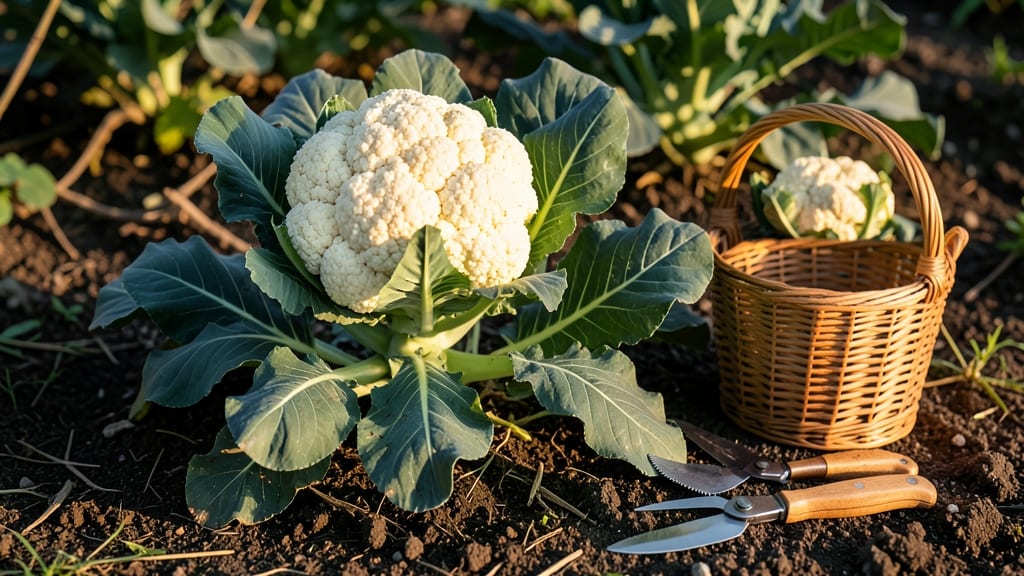
Growing cauliflower from seed to harvest takes 60 to 90 days, but the exact timeline depends on your variety and care routine.
Wondering why your 🥬 plants aren’t ready to harvest yet? The answer lies in understanding the precise growing timeline—because patience is key when waiting for that perfect, snow-white head.
Early-season varieties can mature in as little as 60 days, while late-season types may take up to 100 days to reach harvest size. Temperature, sunlight, and soil quality all play a role in speeding up or slowing down growth.
In this guide, I’ll break down the growth stages, share tips to optimize your harvest time, and help you spot when your cauliflower is truly ready to pick.

Cauliflower growth stages: how long each phase takes from seed
Growing cauliflower from seed to harvest is a rewarding process, but understanding the exact timeline for each stage helps you plan better. Most varieties take 60-90 days to mature, but this varies based on temperature, sunlight, and soil quality.
Let’s break down each phase so you know what to expect—and when to adjust your care routine.
Cauliflower development happens in three key phases: seedling, transplant, and head formation. Each stage has specific timeframes, and skipping proper care can delay your harvest. For example, seedlings need consistent moisture, while head formation demands cool temperatures and rich soil. Let’s dive into the details.
The seedling stage (14-21 days) is where your cauliflower’s journey begins. During this time, seeds need consistent moisture and warm soil (60-70°F) to sprout. If your seedlings look leggy or weak, they’re likely not getting enough sunlight or nutrients. Thin them to 4-6 inches apart to avoid competition.
Once seedlings are 3-4 inches tall, it’s time to transplant them (7-10 days post-thinning). This phase is critical because root disturbance can delay growth. Choose a cool, cloudy day for transplanting, and harden off seedlings by exposing them to outdoor conditions gradually over 3-5 days.
Head formation (40-60 days) is where the magic happens—but it’s also the most temperature-sensitive stage. Cauliflower thrives in 55-65°F conditions. If temperatures rise above 80°F, heads may bolt (send up a flower stalk) or become loose and bitter. Use shade cloth or row covers to protect plants during heatwaves.
Soil quality plays a huge role in growth speed. Cauliflower prefers well-draining, fertile soil with a pH of 6.0-6.8. Amend your soil with compost or aged manure before planting, and side-dress with balanced fertilizer (10-10-10) every 4-6 weeks during the growing season.
Sunlight is non-negotiable for cauliflower. Plants need 6+ hours of direct sun daily to develop properly. If your garden gets less sunlight, consider growing container cauliflower near a south-facing window or use grow lights for indoor cultivation. Without enough light, heads will be small and underdeveloped.
Watering habits also impact growth timing. During head formation, cauliflower needs 1-2 inches of water per week. Water deeply in the morning to reduce evaporation and prevent fungal diseases like downy mildew. Avoid wetting the leaves, as this can encourage rot.
Some cauliflower varieties mature faster than others. Early-season varieties like ‘Snowball Y Improved’ take 60-70 days, while late-season types like
How to speed up or slow down cauliflower growth naturally
Cauliflower growth timing can feel like a delicate dance—too fast, and you risk bolting (flowering prematurely); too slow, and you miss your harvest window. The good news? With a few natural tweaks, you can accelerate maturity by up to 2 weeks or extend the season by months.
Let’s explore how to fine-tune your cauliflower’s timeline without synthetic shortcuts.
The key to speeding up growth lies in three critical factors: nutrient density, optimal spacing, and temperature control. For example, early-season varieties like ‘Snowball Y Improved’ mature in just 60 days, but even these benefit from rich compost and consistent moisture.
Meanwhile, slowing down growth—like delaying bolting in hot climates—requires shading and strategic watering.
To accelerate maturity, start with well-aged compost mixed into the soil at planting. Cauliflower is a heavy feeder, so side-dress with fish emulsion or kelp meal when heads begin forming.
I’ve seen 30-day reductions in growth time by combining balanced fertilization with drip irrigation—consistent moisture keeps roots active and speeds up head development.
If you’re in a hot, dry climate, bolting can turn your cauliflower into bitter, inedible flowers. The fix? Use shade cloth (30-50%) during peak afternoon sun and mulch heavily with straw or wood chips to retain moisture.
I once grew cauliflower in Zone 9 by using drip irrigation + shade cloth—the heads stayed compact and white for 2 extra weeks before harvest.
For fall harvests, try succession planting every 2 weeks starting in early summer. Pair this with row covers to protect from early frosts, and you’ll enjoy fresh cauliflower well into October or November.
Just remember: stop fertilizing 6-8 weeks before the first frost to let the plant focus on head formation instead of foliage growth.
Finally, variety selection matters. Early-season types like ‘Snowball’ mature in 60-70 days, while late-season varieties like ‘Romanesco’ take 90-100 days. If you’re short on time, stick to quick-maturing hybrids—but if you love a challenge, heirloom varieties reward patience with larger, flavorful heads. 🥬