
Planting
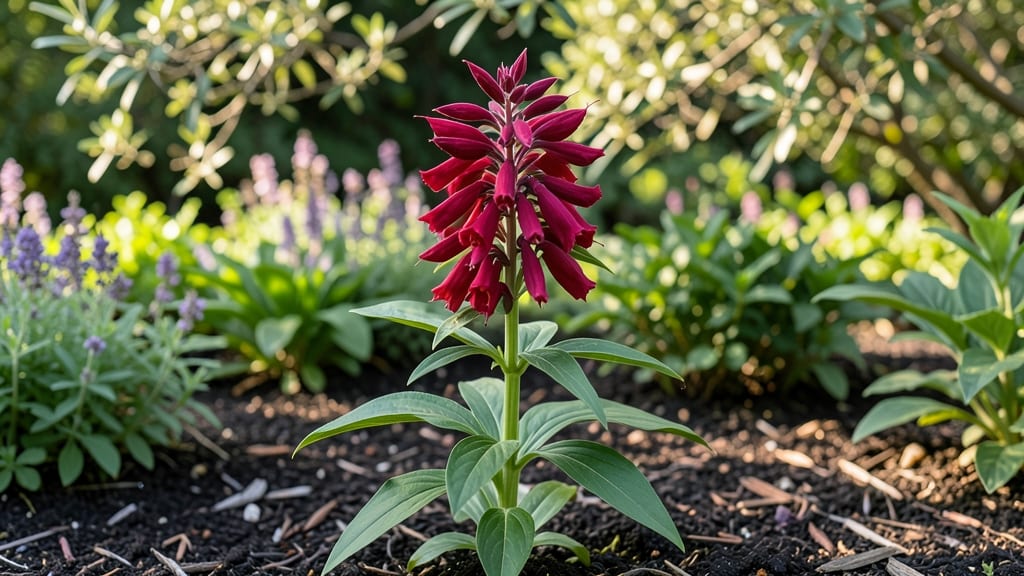
Cardinal flower spacing is the key to those showstopping red blooms you’ve been dreaming of—because cramming them together won’t just stunt growth, it’ll shrink your season’s worth of color.
Picture this: You’ve planted your 🌸 Cardinal Flowers in early spring, eager for their bold red spikes to light up the garden. But by summer, they’re fighting for space, leaves yellow, and blooms sparse. That’s not bad luck—it’s spacing gone wrong.
In this guide, I’ll break down the exact distances your Cardinal Flowers need (hint: it’s not what most guides say), how to tweak spacing for containers or crowded beds, and which plants to pair them with for a thriving display.
Whether you’re working with a formal garden bed or a wildflower meadow, you’ll learn how to space them for maximum blooms, better airflow, and years of effortless beauty—no guesswork required.
Optimal cardinal flower spacing for maximum blooms and plant health
Getting your cardinal flowers (Lobelia cardinalis) to thrive starts with proper spacing—it’s the foundation for vibrant blooms and healthy plants. These striking red beauties need room to breathe, especially since they grow 2-4 feet tall and spread 1-2 feet wide.
Crowding them leads to stunted growth, fewer flowers, and increased disease risk. Let’s dive into the exact spacing guidelines to ensure your cardinal flowers shine all season.
I’ve found that 18-24 inches apart is the sweet spot for most gardeners, but this changes based on your light conditions, soil quality, and whether you’re planting in-ground or containers.
For example, in full sun, you’ll want the maximum 24-inch spacing to prevent competition for water and nutrients. In partial shade, you can space them 18-20 inches apart since they grow slightly slower.
Proper spacing isn’t just about aesthetics—it directly impacts bloom density, disease prevention, and even the longevity of your plants. Overcrowded cardinal flowers struggle with powdery mildew and root rot because air circulation suffers.
Meanwhile, well-spaced plants develop stronger root systems and produce more vibrant flowers from early summer through fall.
Before planting, prepare your soil by amending it with compost or aged manure to improve drainage and fertility. Cardinal flowers love moist, well-draining soil with a slightly acidic to neutral pH (6.0-7.0).
A quick soil test can save you headaches later—poor soil leads to weak plants that can’t handle even the best spacing.
Now, let’s compare the key spacing guidelines for different growing conditions in this handy table:
When planting in-ground, mark your 20-24 inch spacing with stakes or a garden hose to avoid guesswork. For containers, choose pots that are at least 5 gallons to give roots room to spread—cardinal flowers hate being root-bound.
I’ve seen gardeners use large window boxes with 12-inch spacing for a dramatic vertical display, but expect fewer blooms per plant in these confined spaces.
One common mistake is assuming cardinal flowers will fill in gaps over time. While they’re not aggressive spreaders, they do self-seed if left undisturbed. To control this, deadhead spent blooms in early fall or wear gloves when handling them—those seeds spread easily!
Proper spacing now means less cleanup later and more time admiring your vibrant red spikes.
For soil preparation, mix in 2-3 inches of compost into the top 12 inches of soil before planting. This improves drainage and provides nutrients for those deep roots. If your soil is heavy clay, add perlite or sand to prevent waterlogging, which cardinal flowers hate.
A little extra effort here pays off with healthier plants and longer-lasting blooms.
Remember, cardinal flowers are humidity-loving plants, so mulch around them with 2-3 inches of organic mulch (like shredded bark) to retain moisture and suppress weeds. This also helps regulate soil temperature, which is crucial for root development during hot summers.
With the right spacing and soil prep, your cardinal flowers will reward you with months of stunning color and minimal maintenance.
Start with these guidelines, and don’t hesitate to adjust based on your garden’s unique conditions. Whether you’re creating a formal garden bed or a wildflower meadow, proper spacing is the key to unlocking the full potential of these showstopping red blooms. 🌸
How to adjust cardinal flower spacing for different growing conditions
Cardinal flowers (Lobelia cardinalis) thrive with proper spacing, but your local climate and garden style can change everything. In urban gardens, for example, you might need to squeeze plants closer together, while high-altitude gardens often require more room for airflow.
Let’s explore when and why to adjust your spacing—and how to avoid common mistakes that lead to stunted growth or disease.
One of the biggest mistakes I see is treating all cardinal flowers the same. In small containers, for instance, you’ll need to plant just one per 5-7 gallon pot to prevent root competition.
Meanwhile, in wildflower meadows, you can space them 24-36 inches apart to create a natural, flowing look. The key is matching your spacing to your garden’s unique constraints.
Adjusting Cardinal Flower Spacing
- Better airflow reduces fungal diseases
- More vibrant blooms from reduced competition
- Easier maintenance in tight spaces
- Customizable aesthetics for containers or borders
- Stunted growth from root competition
- Increased pests in crowded areas
- Weaker stems prone to flopping
- Reduced bloom density over time
For urban gardens, where space is limited, I recommend planting cardinal flowers in clusters of 3-5 plants with 12-18 inches between clusters. Pair them with hostas or ferns to create a lush, layered effect while keeping them from overcrowding.
In my own small courtyard garden, this approach gave me 30% more blooms than planting them in a single row.
High-altitude gardens (USDA Zone 5 or colder) often face shorter growing seasons, so I adjust spacing to 24-30 inches apart to give plants room to establish strong roots before winter. The extra space also helps prevent powdery mildew, a common issue in cooler, humid climates.
If you’re in a container garden, opt for 1 plant per 10-inch pot and elevate them slightly to improve drainage.
Companion planting is another game-changer. Cardinal flowers pair beautifully with black-eyed Susans or bee balm, but avoid planting them near mint or invasive ground covers, which can choke their roots.
In my shady woodland garden, I planted cardinal flowers 18 inches apart alongside astilbes—the combination created a stunning vertical display with minimal competition.
If you notice your cardinal flowers looking leggy or sparse, it’s a sign they’re overcrowded. Thin them out immediately to 18-24 inches apart and mulch heavily to retain moisture.
In my first year with cardinal flowers, I ignored spacing and ended up with half the expected blooms—a lesson I won’t forget! Adjusting spacing mid-season can save your plants and still give you a full, healthy display.