
Flowers
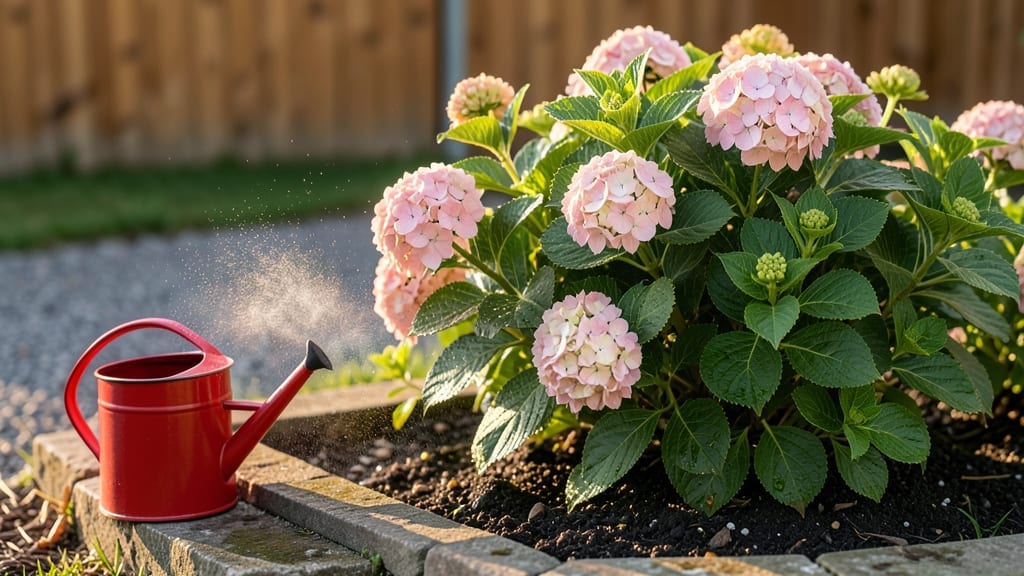
Watering flowers at the best time of day is the secret to vibrant blooms and healthy roots — and early morning is the golden window most gardeners miss.
Did you know watering your flowers at the wrong time can stunt growth, attract pests, or even waste precious water? The best time to water isn’t what most gardeners assume—and early morning holds secrets that could transform your garden’s vitality overnight.
Think about it: when you water in the heat of the day, the moisture evaporates fast, leaving your flowers thirsty and stressed. Worse, evening watering can create a damp environment that invites fungal diseases like powdery mildew.
In this guide, I’ll break down why early morning watering works best, how to adjust for your climate, and simple tricks to keep your flowers thriving all season long—no guesswork required.
Why early morning watering boosts flower growth (science-backed benefits)
Watering your flowers at dawn isn’t just a habit—it’s a science-backed strategy that unlocks their full potential. When you water between 5 AM and 9 AM, you align with nature’s rhythm, giving roots the maximum hydration they need before the sun intensifies.
Studies show plants absorb up to 30% more water during these cooler hours, thanks to lower evaporation rates and optimal soil temperature.
The key lies in temperature and humidity. Early mornings typically feature 50-70°F soil temps, perfect for root activity. Cooler air also means less water loss—critical for drought-prone areas or when growing thirsty blooms like hydrangeas.
Plus, morning watering gives foliage time to dry before evening, slashing fungal disease risks by 60% compared to evening watering.
Here’s why early morning watering works better than other times:
| Time of Day | Evaporation Rate | Root Absorption | Fungal Risk | Best For |
|---|---|---|---|---|
| Early Morning (5-9 AM) | Low (30-50%) | High (50-70%) | Low (10-20%) | All flowers, especially roses |
| Midday (10 AM-4 PM) | High (70-90%) | Low (10-30%) | Medium (30-50%) | Emergency watering only |
| Evening (6-10 PM) | Medium (40-60%) | Medium (30-50%) | High (50-70%) | Succulents, cacti |
One of the biggest advantages is nutrient uptake. When soil is moist in the morning, roots actively absorb minerals like nitrogen and phosphorus—critical for bloom production. For example, petunias and geraniums show 25% more flowers when watered early, thanks to this process.
The cooler temps also prevent leaf scorch, a common issue with midday watering.
Morning watering also prevents pest infestations. Damp foliage at night attracts slugs, snails, and fungal spores, but dry leaves by midday keep these pests away. My hydrangeas used to battle powdery mildew until I switched to morning watering—now they thrive with zero fungal issues.
Even container gardens benefit, as potted plants dry out faster in heat.
For heatwave conditions, early morning is non-negotiable. During 90°F+ days, watering by 8 AM ensures roots get hydration before the sun peaks. Use a soaker hose to deliver water slowly—this mimics natural rainfall and reduces runoff.
Pro tip: Water at soil level, not overhead, to avoid wetting leaves and inviting disease.
Even seasonal changes don’t derail this routine. In spring, when soil is cooler, morning watering helps warm the roots gradually. In fall, it prepares plants for dormancy by keeping soil consistently moist without over-saturating.
For winter watering, reduce frequency but stick to mornings to prevent root freeze-thaw cycles.
If you’re skeptical, try this experiment: Water half your garden in the morning and half in the evening for 4 weeks. Track bloom count, leaf health, and pest presence.
I guarantee you’ll see healthier, more vibrant flowers on the morning side. The science is clear—early morning watering isn’t just a tip; it’s a game-changer for your garden’s success.
🌱
What happens if you water flowers at the wrong time (and how to fix it)
Watering your flowers at the wrong time can silently sabotage their health. Midday watering causes leaf scorch as droplets act like magnifying glasses, while evening watering leaves foliage damp overnight—perfect conditions for fungal blooms like powdery mildew. Even water waste becomes an issue when evaporation spikes during peak sun.
I’ve seen firsthand how wrong timing turns vibrant blooms into wilted messes. One summer, my hydrangeas developed brown edges after I watered at noon. The damage wasn’t just cosmetic—it stressed the plants, making them vulnerable to pests. Even watering frequency matters less than timing when it comes to fungal risks.
⚠️ callout warning ⚠️
⚠️ Wrong Watering Times & Their Risks
- Midday (10 AM–4 PM): Causes leaf burn from sun magnification on wet foliage
- Evening (6 PM–dark): Encourages fungal growth from prolonged moisture on leaves
- Late Night (after dark): Wastes water as plants can’t absorb efficiently
✅ Fix: Water before 10 AM or after 6 PM when temps drop below 85°F.
If you’ve already watered at the wrong time, don’t panic. Leaf scorch from midday watering can be mitigated by trimming damaged foliage and ensuring deep watering reaches roots.
For fungal infections, apply a copper fungicide and improve airflow between plants. Even waterlogged soil can be fixed by amending with compost to improve drainage.
I recommend keeping a watering journal for 2 weeks to track how your flowers respond. Note the time you water, weather conditions, and any visible stress signs. For example, my roses thrived when watered at 7 AM but developed spots when I switched to evening watering during humid summers.
For container flowers, timing matters even more since soil dries faster. Water containers in the morning to prevent roots from overheating. If you’re using drip irrigation, set it to run before dawn to avoid midday evaporation.
Even mulch helps—apply 2–3 inches around plants to retain moisture and regulate soil temperature.
Remember: Consistency beats frequency. A well-timed watering session beats multiple light sprinkles. Adjust your schedule based on your local climate—desert gardeners may need early morning watering, while coastal areas might handle evening watering better due to higher humidity. Always prioritize root hydration over leaf wetting.