
Flowers
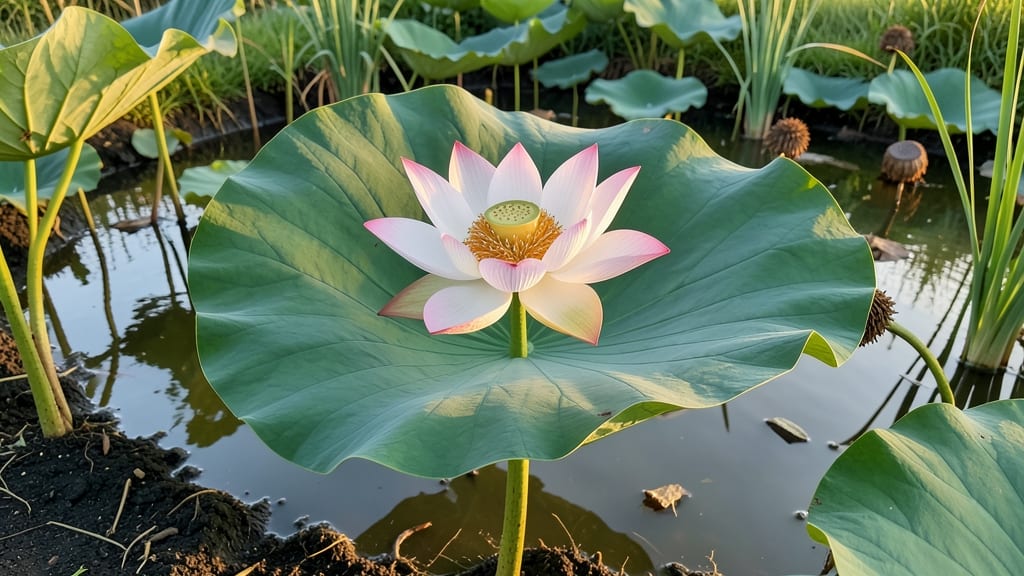
Lotus flowers can be poisonous to cats 🌸, but the risk depends on what part of the plant they ingest—and how much. If your curious kitty has ever taken a sniff or nibble, you’re not alone in wondering whether your garden’s beauty might be a danger to their health.
While the petals are mildly toxic, the real concern lies in the roots, which contain higher levels of harmful compounds. Symptoms like vomiting, drooling, or lethargy could mean your cat needs vet attention, but not every sniff leads to a crisis.
Let’s break down the risks, what to watch for, and safer flowers you can grow instead.
You’ll learn which parts of the lotus are most concerning, how to recognize poisoning symptoms early, and even some stunning pet-safe alternatives that won’t put your feline at risk. With the right precautions, you can keep both your garden and your cat happy and healthy.
Whether you’re a seasoned gardener or just love the look of lotus blooms, this guide will help you make informed choices—so you can enjoy your outdoor space without worrying about your cat’s curiosity.
Lotus flower toxicity to cats: which parts are dangerous?
When it comes to lotus flowers and cat safety, the good news is that these stunning aquatic plants are generally considered non-toxic to cats. However, the toxicity level can vary depending on which part of the plant your feline friend encounters.
Unlike some other popular garden flowers, lotus flowers don’t contain known toxic compounds like oxalates or alkaloids that commonly cause poisoning in cats. Still, it’s essential to understand the potential risks associated with each part of the plant to keep your curious kitty safe.
The petals of the lotus flower are the most visually striking part, but they’re also the least concerning from a toxicity standpoint. While they aren’t toxic, they can still cause mild stomach upset if ingested in large quantities due to their fibrous texture.
Cats are more likely to chew on petals out of curiosity than out of hunger, so monitoring their behavior around blooming lotus plants is key. The leaves, on the other hand, are slightly more concerning because their tough, waxy surface can irritate your cat’s digestive tract if swallowed.
Here’s a detailed breakdown of the toxicity levels for each part of the lotus flower, including severity ratings and what to watch for:
The roots of the lotus flower are the least concerning part, as they’re generally non-toxic and pose minimal risk to cats. However, if your cat manages to dig them up and ingest large quantities, they might still experience mild digestive discomfort.
The stems, while not toxic, can pose a choking hazard, especially for smaller cats. Always supervise your pet around lotus plants, particularly if they’re known to chew on plants or dig in the soil.
If you’re growing lotus flowers in a pond or water garden, you’ll want to ensure your cat doesn’t have access to the water feature. Cats are naturally drawn to water, and while lotus roots aren’t toxic, the risk of drowning or getting tangled in plant stems is very real.
Consider placing your lotus garden in a high-sided container or a section of your pond that’s cat-proofed with a secure cover. This simple precaution can prevent accidents while still allowing you
Symptoms of lotus flower poisoning in cats & what to do
If your curious cat has taken a nibble of your lotus flowers, you might notice concerning behaviors within hours. The water lily family (including lotus) contains alkaloids that can cause mild to moderate toxicity in felines.
While not as severe as lilies, the symptoms still require attention, especially if your cat ingests large quantities or chews on the roots or leaves.
Recognizing the signs early is critical. Common lotus poisoning symptoms in cats include excessive drooling, vomiting, and diarrhea. Your cat might also appear lethargic, hide more than usual, or show signs of abdominal pain, such as frequent licking of the mouth or hunched posture.
In severe cases, tremors or difficulty breathing may occur, signaling a medical emergency.
⚠️ Are Lotus Flowers Poisonous to Cats?
Yes, but the risk varies by plant part. Petals are mildly toxic, while roots and leaves contain higher concentrations of harmful alkaloids. Even small amounts can cause gastrointestinal upset, so monitor your cat closely after exposure.
If you suspect your cat has ingested lotus flowers, start by removing access to the plant immediately. Check their mouth for any remaining plant material and rinse gently with water if needed.
For mild symptoms like drooling or vomiting, offer small amounts of water and monitor their behavior for 24 hours. However, if symptoms worsen or your cat shows signs of severe distress, contact your vet or a pet poison hotline right away.
In cases of severe poisoning, your vet may induce vomiting or administer activated charcoal to absorb toxins. Intravenous fluids might be necessary to prevent dehydration from vomiting or diarrhea.
Never attempt home remedies like hydrogen peroxide unless directed by a professional, as this can worsen the situation. Always keep the ASPCA Poison Control Center number (888-426-4435) handy for emergencies.
Prevention is key. If you love growing lotus flowers but also have a cat, consider placing them in hanging baskets or elevated planters where your feline can’t reach. Alternatively, opt for cat-safe flowers like sunflowers or marigolds, which add beauty without the risk.
Regularly inspect your garden for curious paws and train your cat to avoid chewing on plants.
Remember, even if your cat seems fine after nibbling, some symptoms may take hours to appear. When in doubt, err on the side of caution and seek professional advice. Your quick action could make all the difference in keeping your feline friend healthy and happy. 🌿