
How To
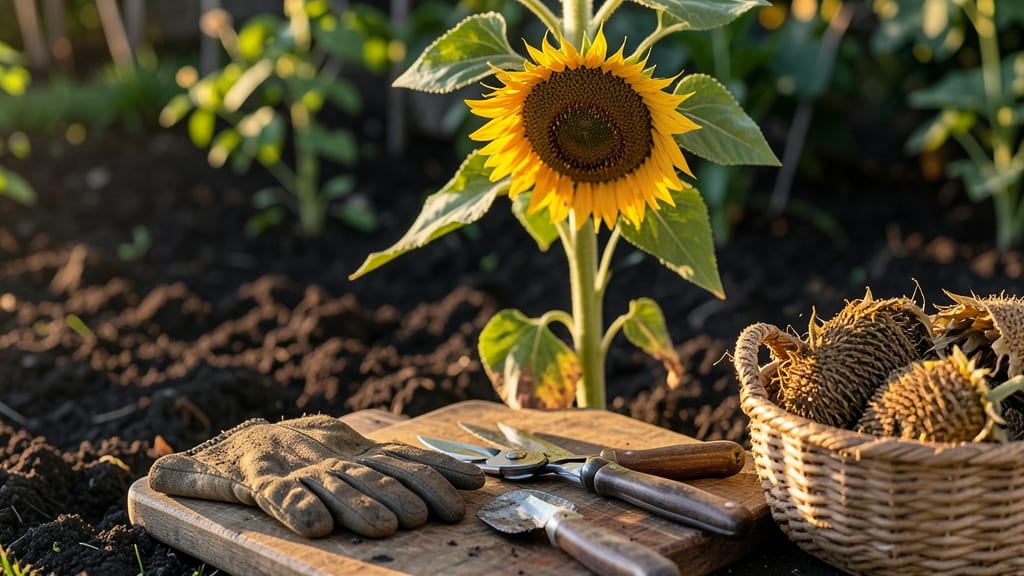
Harvest sunflower heads when the back of the petals turns yellowish-brown and the seed head feels firm to the touch—this is the sweet spot for flavor and seed quality.
Picture this: you’ve spent weeks watching your 🌻 sunflowers soar toward the sky, only to wonder if you’re waiting too long before picking. The truth? Timing matters more than you think.
In USDA Zone 6a, that window typically falls between mid-July and early September, but the real clues are in the flower itself—not the calendar. Miss it, and you risk bitter seeds or scattered blooms.
Below, I’ll walk you through the three foolproof signs your sunflowers are ready, plus how to store or dry them for long-term use—whether you’re saving seeds or savoring edible blooms.
3 Clear signs your sunflower heads are ready for harvest
Harvesting sunflowers at the perfect moment ensures you get the best flavor, texture, and seed quality. Whether you're growing them for edible seeds, flower buds, or even young greens, timing is everything.
The key lies in observing subtle but unmistakable changes in the plant's appearance and structure. These visual and tactile cues will tell you exactly when to reach for your pruners.
First, you’ll notice the petals begin to wilt and turn from vibrant yellow to a dull brown. This shift signals the plant is redirecting energy toward seed development. But don’t wait until the petals are completely dry—this can mean the seeds inside are past their prime.
Instead, look for the back of the petals turning yellowish-brown, a sure sign the seeds are maturing but haven’t yet scattered.
Here’s what to watch for to ensure you harvest at peak ripeness:
The edges of the petals will curl and darken to a brownish hue. This indicates the flower is transitioning from bloom to seed production. For edible flowers, harvest just before this stage when petals are still vibrant.
Press gently on the center disk of the sunflower head. If it feels hard and fully developed (not soft or spongy), the seeds inside are ready. For seed varieties, this is your green light to harvest.
The receptive surface (the back of the petals) will shift from green to a dull yellow-brown. This is your final cue that seeds are mature but haven’t yet started to scatter. Ignore this, and you risk losing seeds to birds or wind.
Give the seed head a light shake. If seeds inside rattle or move freely, they’re ready for harvest. This tactile test is especially useful for large varieties like Mammoth where visual cues might be harder to spot.
For edible sunflower varieties, like those grown for snacking or roasting, focus on harvesting when the seed head is fully formed but before the petals fully dry. This ensures the seeds are plump and flavorful.
In contrast, if you’re growing sunflowers for cut flowers, harvest when the petals are fully open and vibrant—typically a few days before the petals start to brown.
Pay attention to the stem’s texture near the base of the head. A slightly woody feel indicates maturity, while a soft or flexible stem suggests the plant needs more time.
If you’re unsure, cut one head and check the seeds inside. If they’re plump and firm, you’re ready to harvest. If they’re shriveled or hollow, you’ve waited too long.
Timing your harvest correctly also depends on your climate and variety. In warmer regions, sunflowers mature faster, so monitor them daily. For northern climates, keep an eye on the first frost date—harvest at least 2 weeks before the first expected frost to avoid seed damage.
Always use clean, sharp pruners to make a clean cut just above a leaf node.
Once harvested, dry the heads in a well-ventilated, dark space for 1-2 weeks. This process ensures the seeds are fully mature and ready for storage. Proper drying prevents mold and extends the shelf life of your harvest.
With these signs in mind, you’ll never miss the perfect moment to pick your sunflowers again.
🌻
Harvest timing differences: seeds vs. flowers vs. greens
Sunflowers offer three distinct harvest opportunities, each requiring precise timing. Whether you're after crunchy greens, delicate edible flowers, or mature seeds, knowing when to pick makes all the difference. The same plant can yield all three—but not at the same time!
For edible sunflower greens, harvest when shoots reach 6-12 inches tall but before flowering begins. This is typically 4-6 weeks after germination for varieties like 'Teddy Bear' or 'Moulin Rouge'. Use sharp scissors to snip outer leaves first, allowing the plant to keep producing.
Edible flowers should be harvested at peak bloom—when petals are fully open but haven't started wilting. This usually occurs 8-10 weeks after planting for most varieties. Cut stems early morning when dew is present for maximum freshness and flavor.
The most challenging harvest is for seeds, which require waiting until the flower head is fully mature. This happens when the back of petals turns yellowish-brown and the seed head feels hard and dry when squeezed.
For Mammoth varieties, this takes 100-120 days; for snacking types like 'Autumn Beauty', it's 75-90 days.
Pro tip: Mark your calendar based on your sunflower variety. Mammoth types like 'Russian Giant' take longer to mature for seeds, while snacking varieties like 'Autumn Beauty' reach harvest readiness faster.
Always leave 10-15% of heads on the plant for birds if you're growing for seeds—it's a natural way to reduce pest pressure!
For greens and flowers, regular harvesting actually encourages more production. Just avoid cutting into the main stem where the flower head will form. For seed harvests, be patient—waiting too long means seeds will scatter or attract pests like squirrels and birds.
Remember: Frost is your enemy for seed harvests. If frost threatens before your sunflowers mature, harvest the heads early and dry them indoors. The seeds will still be viable, though slightly smaller than fully mature specimens. 🌻