
Blooming
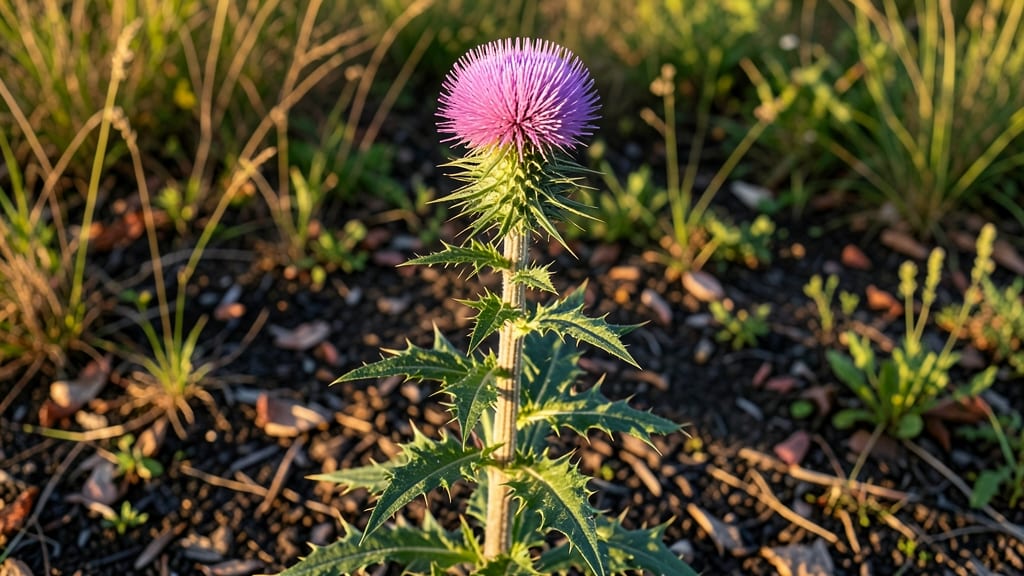
Thistles flower in late summer to fall 🌿, with timing that shifts dramatically depending on where you live—knowing the exact window helps you prune before seeds spread.
Picture this: You’ve spent weeks battling thistle patches in your garden, only to realize they’re about to explode with purple blooms and seed heads. That’s when the real work begins, and timing is everything.
Most thistles in USDA Zone 6a (like the common Cirsium species) burst into flower between August and October, but coastal regions can see blooms as early as July, while colder climates may delay them until September.
Below, I break down the month-by-month flowering schedule by region, plus the critical pruning window to stop these weeds from taking over your garden for another year.
Thistle flowering timeline by USDA hardiness zones (exact months)
Thistles (Cirsium and Carduus species) are notorious for their aggressive spread, but their flowering window is your secret weapon for control. Knowing when they bloom in your USDA zone lets you prune at the perfect moment—just before seeds form.
Regional climate differences mean a 3-month variation in flowering across the U.S., from late spring in cold zones to early fall in warm regions.
In cooler northern zones (3-5), thistles typically flower in June-July, while Southern states (8-10) see blooms as early as April-May or as late as September-October. Pacific Northwest thistles often bloom 2 weeks later than their Midwest counterparts due to cooler summers.
Understanding these patterns helps you time interventions like mowing or herbicide application for maximum impact.
Below is a zone-by-zone breakdown of thistle flowering periods, including regional adjustments. Use this as your pruning calendar to stop seed spread before it starts.
| USDA Zone | Primary Flowering Window | Regional Adjustments | Critical Pruning Window |
|---|---|---|---|
| 3-4 (Northern Plains, Canada) | Late June – Early August | 1-2 weeks later in mountainous areas | July 15 – August 10 |
| 5-6 (Northeast, Midwest) | Mid-June – Late July | Pacific Northwest: 2 weeks later | June 20 – July 25 |
| 7 (Southern Appalachia, Great Lakes) | Early June – Mid-July | Coastal areas: 1 week earlier | May 30 – June 20 |
| 8 (Southeast, California) | April – Early June | Desert regions: March-April | March 15 – May 5 |
| 9-10 (Florida, Southwest) | February – April or September-October | Bimodal blooming in warm climates | January 20 – March 10 OR August 20 – September 15 |
Climate plays a huge role in shifting these timelines. For example, drought stress can delay flowering by 2-4 weeks, while wet springs may trigger earlier blooms.
In arid regions like Arizona or Nevada, thistles often flower twice yearly—once in spring and again in fall—requiring two pruning rounds.
If you live in a transition zone (e.g., Zone 7b), monitor local thistle colonies for 1-2 weeks to pinpoint your exact flowering window. Look for bud formation (tight purple clusters) as your first sign—this is when you should schedule pruning.
In humid Southern zones (8-10), thistles may produce secondary blooms after rain, extending your control window. However, freeze events can halt flowering entirely until warmer temperatures return. Always prune before seed heads form—they turn from fluffy pink to brown and spiky in just 10-14 days.
For Pacific Northwest gardeners, coastal thistles often bloom 3 weeks later than inland varieties due to cooler maritime air. If you're in Zone 7-8 near the coast, aim to prune in late June rather than mid-June to catch the peak.
Pro tip: Mark your calendar 2 weeks before your zone’s primary flowering window—this gives you time to gather tools (loppers, gloves, herbicide if needed) and plan your attack. Thistles are most vulnerable right before buds open, so don’t wait until flowers appear!
🌿 Remember: The earlier you prune, the less seed spread you’ll face next year. Use this timeline to stay one step ahead of those spiky invaders.
How to identify thistle flower stages for optimal pruning
Thistles follow a predictable flowering cycle, and recognizing each stage is key to stopping their spread. The critical pruning window opens just 2 weeks before seed heads mature—miss this, and you’ll have a new crop of thistles next season.
I’ll walk you through how to spot each stage, from bud formation to seed development, so you can prune at the perfect moment.
Start by scanning your garden for tall, spiky stems (3-6 feet) with rosy-purple buds along the top. These buds are your first warning sign—once they form, flowering is 3-5 weeks away.
Thistles in warmer climates (like Zone 8-10) may bloom earlier, while cooler zones (Zone 3-5) see delays until late summer or early fall.
Here’s how to identify each stage for optimal pruning timing:
Pro tip: Use gloves and shears to cut stems 1-2 inches below seed heads during the seed head stage. This removes the plant’s energy source for next year’s growth. For stubborn thistles, repeat pruning every 2 weeks until frost kills remaining stems.
Timing matters most in dry climates—thistles in arid regions (like Arizona or California) may flower as early as June-July, while Pacific Northwest thistles often wait until September. Always check your local USDA zone for adjustments.
Miss the window? Don’t panic. Thistles are perennial, but consistent pruning over 2-3 years will weaken their root systems. Combine pruning with vinegar spray (20% acetic acid) for stubborn patches—just avoid spraying on desired plants nearby.