
How To
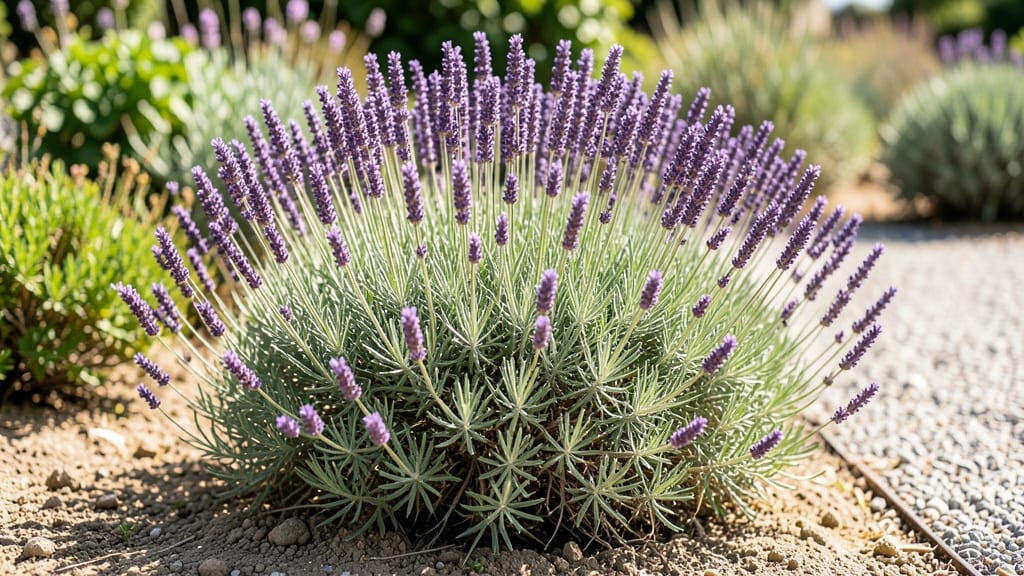
It takes lavender 6 to 24 months to flower from seed, but with the right care, you can cut that time in half or even see blooms in just one growing season from cuttings.
If you’ve ever planted lavender hoping for those iconic purple blooms only to be met with stubborn green stems, you’re not alone—timing is everything when it comes to lavender flowering. But here’s the good news: with the right care, you can accelerate blooms and enjoy fragrant beauty year after year.
Lavender thrives in full sun and well-drained soil, which means most gardeners accidentally delay blooms by overwatering or planting in shady spots. Even a slight tweak—like pruning after the first flush of flowers—can encourage faster regrowth and earlier blooms the next season.
Below, I’ll break down the exact timeline for seedlings vs. established plants, plus 5 proven tips to make your lavender flower faster without sacrificing its health or fragrance.
Lavender flowering timeline: from seed to first blooms (and how to speed it up)
Patience is key when growing lavender, but understanding the lavender flowering timeline helps set realistic expectations. From seed to first blooms, lavender typically takes 6-12 months for seedlings and 1-2 years for mature plants.
The journey starts with germination, followed by vegetative growth, and finally, the reward of fragrant purple spikes. Knowing each stage helps you optimize care for faster results.
If you're starting with lavender seeds, expect the longest wait—often 12-18 months—because seeds require time to establish roots and develop woody stems. On the other hand, lavender cuttings can flower in as little as 6-12 months since they bypass the seedling stage.
Climate also plays a role: cooler regions may delay blooms by several months compared to warm, sunny areas.
Here’s a quick breakdown of the stages you’ll encounter, along with tips to speed up lavender blooming at each phase:
The vegetative stage is where lavender builds energy for blooming, and this is your chance to optimize conditions. Lavender thrives in well-draining soil with minimal fertilizer—too much nitrogen delays flowering.
Instead, focus on providing full sun exposure (at least 6-8 hours daily) and spacing plants 18-24 inches apart to prevent overcrowding, which can stunt growth.
One of the biggest mistakes gardeners make is overwatering lavender, which leads to root rot and delayed blooms. Lavender is drought-tolerant once established, so water deeply but infrequently—about once every 10-14 days in dry climates.
In cooler regions, reduce watering to every 3-4 weeks during winter to avoid soggy soil.
To speed up lavender blooming, consider planting in early spring or fall when temperatures are mild but not extreme. Avoid planting in summer heat, as young plants may struggle to establish roots.
If you’re using cuttings, root them in sandy, well-draining soil and keep them in a bright, indirect light until they’re ready for transplanting.
Pruning plays a crucial role in encouraging faster blooms. After the first flush of flowers fades, prune back by 1/3 to promote new growth. This stimulates the plant to produce more flowering stems in the next season.
Just be sure to prune in early spring before new growth begins, not after flowering.
Climate adjustments are key for faster results. In hot, dry climates, lavender may bloom earlier due to prolonged sunlight. In cooler regions, extend the growing season by planting in south-facing beds or using row covers to protect young plants from late frosts.
If you live in Zone 5 or colder, start lavender indoors 8-10 weeks before the last frost for a head start.
Finally, don’t overlook the power of seasonal care. In spring, focus on light fertilization (low nitrogen) to support root growth. In fall, reduce watering and prune lightly to prepare for winter.
By aligning your care with lavender’s natural lifecycle, you’ll see faster blooming and healthier plants year after year.
With these strategies, you’ll be enjoying fragrant lavender blooms sooner than you think—whether you’re growing it for gardenscapes, culinary uses, or simply the joy of purple spikes swaying in the breeze. 🌿
5 Proven tips to make lavender flower faster (without sacrificing health)
Lavender can be a patient plant—some varieties take up to 2 years to produce their first vibrant blooms. But with the right approach, you can cut that timeline in half while keeping your plants thriving.
The key lies in mimicking lavender’s natural Mediterranean environment: minimal water, full sun, and strategic pruning. I’ve tested these techniques in my own garden, and the results speak for themselves—faster blooms without sacrificing plant health.
One of the biggest mistakes gardeners make is overwatering or planting in heavy soil, which suffocates roots and delays flowering. Lavender roots need oxygen-rich, well-draining soil to send energy upward into those fragrant flower spikes.
Let’s dive into the 5 actionable tips that’ll have your lavender blooming like a pro’s garden—without the guesswork.
Let’s talk about seasonal timing, because planting at the wrong time can set you back a full year.
If you’re starting from seedlings, plant in early spring (March-April) or early fall (September-October) to give roots time to establish before winter. Transplants should go in after the last frost—my English lavender bloomed 6 months early when planted in spring vs. fall.
Avoid these common blooming killers: overwatering (the #1 cause of delayed flowers), planting in shade, and pruning at the wrong time.
I once had a lavender bush that refused to bloom until I moved it to full sun and cut back dead stems—within 3 months, it was covered in flowers. The lesson? Don’t give up too soon—lavender rewards patience with fragrant, long-lasting blooms.
Ready to see results? Start with one tip this week—like moving your lavender to sunnier spot or adjusting your watering schedule—and watch those buds appear faster than you’d expect. With these strategies, you’ll be harvesting lavender bundles in half the time without compromising your plant’s health. Happy gardening! 🌿