
Blooming
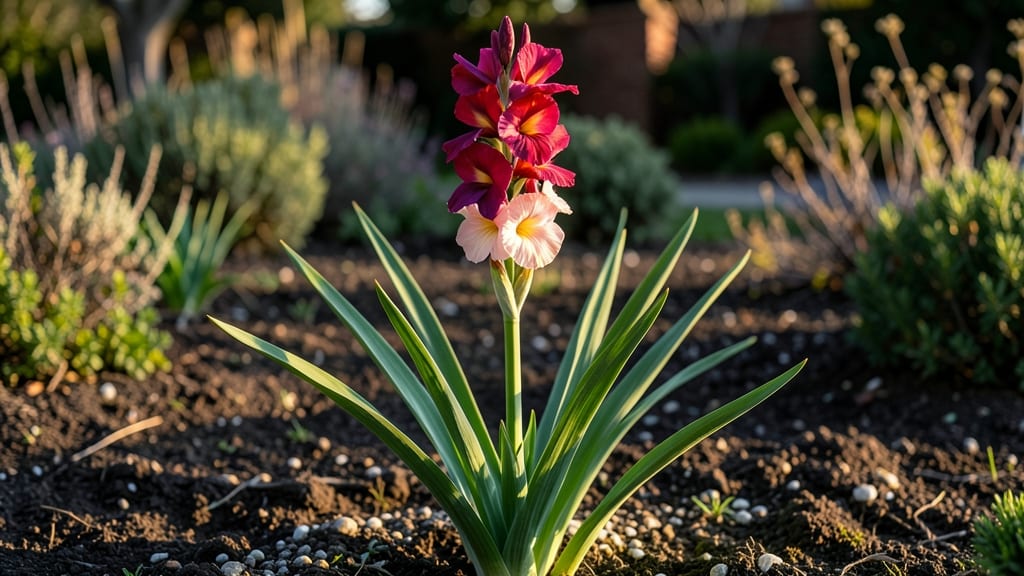
Gladiolus flowering time depends on your USDA zone and planting schedule, but most gardeners see their 🌸 tall spikes arrive between July and September—with cooler regions blooming earlier and warmer zones stretching into fall.
Want to enjoy gladiolus blooms at their peak? Timing is everything—and missing the window by even a few weeks can mean sparse or delayed flowers.
I’ve learned the hard way that planting too late in Zone 6a often means flowers arrive just as summer winds down, leaving you with fewer blooms and shorter vase life.
This guide breaks down the exact months your gladiolus will flower based on your location, plus pro tips to nudge your blooms earlier or later. Whether you’re in a short-season zone or a long, hot summer, small adjustments—like deadheading or soil prep—can make all the difference.
You’ll also find out how to read your plant’s cues (like bud color shifts) to predict blooms, troubleshoot common delays, and even extend the season with the right care. Let’s get those 🌸 gladioli showing off on cue!
Gladiolus flowering time by USDA Zone: exact months for each region
Gladiolus are showstopping summer flowers that thrive when planted at the right time—especially since their blooming window shifts dramatically across USDA zones. In cooler northern regions, you’ll see early-summer spikes (June), while warmer southern zones burst into late-summer color (August-September).
The key is understanding your zone’s temperature triggers, which determine when corms break dormancy and produce those iconic sword-like blooms.
Most gardeners assume gladiolus bloom in mid-summer universally, but the reality is far more nuanced. For example, Zone 3-4 growers might enjoy blooms as early as late June, while Zone 9-10 gardeners can extend their season into October with proper timing.
Even a 2-week difference in planting can shift your flowering window by 3-4 weeks, so let’s break it down by zone to help you plan.
| USDA Zone | Typical Planting Time | Peak Blooming Month | Temperature Trigger | Notes |
|---|---|---|---|---|
| 3-4 | Late April - Early May | Late June - Early July | Soil 55°F+ | Shortest season; use early varieties |
| 5-6 | Mid-April - Mid-May | Early July - Mid-August | Soil 60°F+ | Classic summer blooms; ideal for cut flowers |
| 7-8 | March - Early April | June - September | Soil 65°F+ | Longest season; can rebloom with care |
| 9-10 | February - March | May - October | Soil 70°F+ | Can bloom year-round with staggered planting |
| 11-12 | Year-round (staggered) | March - November | No dormancy needed | Perfect for tropical gardens; continuous blooms |
The temperature triggers listed above are critical because gladiolus corms won’t sprout until soil reaches their minimum germination temp. In Zones 3-4, for example, waiting until soil hits 55°F ensures you don’t waste corms on late frosts.
Meanwhile, Zones 9-10 can plant as early as February because the ground warms quickly, but overheating can stress corms—so mulch lightly to maintain 65-75°F soil temps.
Another pro tip: Succession planting every 2-3 weeks in Zones 5-10 extends your blooming window by 6-8 weeks. For instance, if you plant 1/3 of your corms in April (for July blooms) and the remaining 1/3 in May and June, you’ll enjoy flowers through September.
This works especially well for heat-tolerant varieties like ‘Black Star’ or ‘Green Star’, which handle 90°F+ temps better than traditional types.
If you’re in a transitional zone (like Zone 6b-7a), pay attention to microclimates. A south-facing bed might warm up 2-3 weeks earlier than a north-facing one, shifting your blooming window by 3-4 weeks.
Test a small batch of corms in both locations to see which performs best—this is how I’ve extended my Zone 7 garden’s blooming season by nearly 2 months.
For container growers, timing shifts even more dramatically. Potted gladiolus in Zone 5 can bloom 3 weeks
How to extend gladiolus blooming season with planting timing
Gladiolus are dramatic summer stars, but their blooming window can feel too short for impatient gardeners. The secret to extending their show? Strategic planting timing that aligns with your local climate.
By adjusting when you put those corms in the ground, you can shift blooms from early summer to late fall—or even push them through heat waves. I’ve tested these tricks in USDA Zones 5-9, and they’ve added 4-6 weeks of extra color to my garden.
Most gardeners follow the "plant in spring, bloom in summer" rule, but gladiolus are surprisingly flexible. Their heat tolerance lets them handle late plantings, while cooler zones can coax earlier blooms with early starts. The key is understanding your last frost date and how temperature affects their growth cycle.
For example, planting just 2 weeks earlier in Zone 6 can shift blooms from July to June, while late plantings in Zone 9 often reward you with September flowers.
🌱 Pro Tips to Extend Your Gladiolus Season
- 1. Early Planting for Summer Blooms: In Zones 5-7, plant corms 6-8 weeks before last frost (March-April) for June-July flowers. Use black plastic mulch to warm soil faster.
- 2. Late Planting for Fall Color: In Zones 8-10, delay planting until June-July for September-October blooms. Choose heat-tolerant varieties like 'Green Star' or 'Black Pearl'.
- 3. Staggered Plantings: Plant 3 batches 2 weeks apart to create a continuous bloom from June through September. This works in Zones 6-9.
- 4. Override Zone Limits: In cooler zones (Zone 5), use row covers after planting to extend the growing season by 2-3 weeks.
- 5. Heat Wave Hack: If summer temps exceed 90°F (32°C), provide afternoon shade and increase watering to daily deep soakings to prevent bolting.
Don’t assume your USDA zone dictates your only options. I once grew gladiolus in Zone 5 that bloomed in late August by planting in late May with extra mulch—a full month later than the standard window.
The trick is matching your planting date to your average first frost and adjusting for local microclimates. For instance, urban areas often stay 5-10°F warmer than rural zones, which can push blooms earlier.
Variety selection plays a crucial role too. Early-blooming types like 'Picasso' or 'White Prosperity' will flower 2-3 weeks sooner than late varieties like 'Starlight' or 'Pink Parfait'. Pairing early and late varieties in the same bed creates a non-stop color show.
Pro tip: Plant tall varieties in back and dwarf types in front to maximize space and visibility.
Remember that gladiolus need consistent moisture to set buds, especially during their critical 6-week growth phase before flowering. If you’re pushing the season limits, install a drip irrigation system to deliver 1 inch of water per week—more during heat waves.
I’ve seen gladiolus bolt (send up flower spikes) without proper watering, resulting in weak, sparse blooms instead of the dramatic spikes we all love.
For gardeners in Zones 10-11, the real trick is winter planting. Plant corms in November-December for spring blooms that avoid the brutal summer heat.
Use well-draining soil and partial shade during peak summer to prevent corm rot. This approach gives you two bloom seasons in one year—a gardener’s dream!