
Flowers
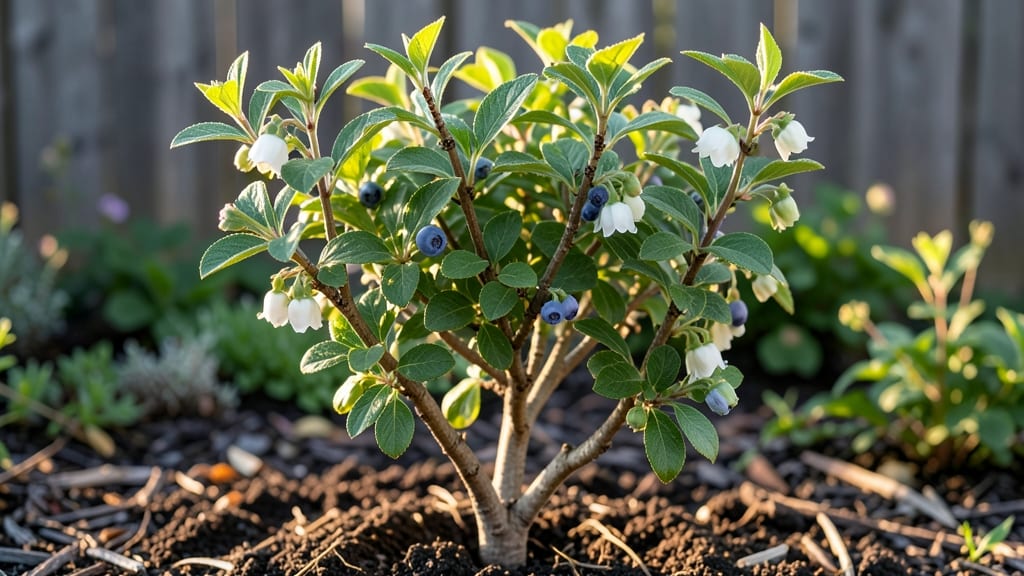
Transforming a blueberry flower 🫐 into fruit is where the magic of your harvest begins — and getting it right means understanding the stages, conditions, and small details that make the difference between a handful of berries and a bountiful crop.
Did you know blueberry bushes produce flowers that must transform through precise stages before yielding sweet, juicy fruit? Understanding this process is the key to maximizing your harvest—whether you're a backyard gardener or a commercial grower.
From the moment those delicate blossoms appear in spring to the ripening of fruit by summer, every step relies on the right balance of sunlight, soil pH, and pollination. Skip one, and you might end up with flowers that drop off or tiny, sour berries.
In this guide, I’ll walk you through the critical stages of blueberry fruit development, how to optimize pollination, and the common mistakes that can sabotage your crop—so you can go from bloom to harvest with confidence.
Blueberry flower development stages: from bloom to fruit set
Blueberry bushes transform delicate flowers into sweet fruit through a 4-stage process that requires precise environmental conditions and care. Each stage—from bud formation to fruit set—demands attention to detail to avoid common pitfalls like blossom end rot or poor pollination success.
Understanding these stages helps you optimize your harvest and troubleshoot issues early.
In Zone 6, blueberry flower development typically begins in late April, peaking in May before fruit sets by June. The process hinges on acidic soil pH (4.5–5.5), consistent moisture, and proper nutrient balance.
Without these, flowers may drop prematurely, or fruit may fail to develop. Let’s break down each critical stage with visual cues and actionable tips to ensure success.
| Stage | Key Features | Critical Requirements | Common Pitfalls |
|---|---|---|---|
| Bud Formation | Tight clusters of pink buds appear on new wood; occurs in late winter/early spring. | Soil temp 40–50°F, acidic soil, dormant pruning completed. | Frost damage, over-pruning, or nutrient deficiency. |
| Bloom Stage | White/pink flowers open; peak bloom lasts 7–10 days. | Bee activity, 60–70°F temps, consistent watering. | Poor pollination, late frost (below 28°F), or drought stress. |
| Fruit Set | Flowers drop; tiny green berries form (1–2 weeks post-bloom). | Calcium, boron, even moisture, thin crowded fruit. | Blossom end rot, overcrowding, or nutrient imbalance. |
| Early Growth | Berries double in size (4–6 weeks); turn pink/red. | Nitrogen, potassium, mulch, pest control. | Bird damage, powdery mildew, or over-fertilization. |
During the bud formation stage, pink buds emerge on last year’s wood, signaling the start of the process. This stage is sensitive to temperature fluctuations—frost below 28°F can kill buds entirely.
To protect your blueberries, cover young bushes with frost cloth if late frosts are forecasted. Additionally, ensure your soil remains well-draining to prevent root rot, which can weaken the plant before flowering.
When flowers bloom, they rely heavily on pollinators like bees and hummingbirds. If your area lacks natural pollinators, consider hand-pollinating with a soft brush to transfer pollen between flowers.
Watch for white/pink blooms opening fully—this is your window for intervention. Avoid disturbing the flowers during rainy or windy conditions, as this can dislodge petals and reduce pollination success.
The fruit set stage begins when flowers drop, leaving behind tiny green berries. This is where many gardeners encounter blossom end rot, a condition caused by calcium deficiency or uneven watering.
To prevent this, apply a calcium-rich fertilizer (like crushed eggshells) and maintain consistent soil moisture. Thin overcrowded fruit to ensure remaining berries receive adequate nutrients and sunlight.
As berries enter the
How to optimize pollination for maximum blueberry fruit production
Blueberries rely on pollination to transform delicate flowers into plump, juicy fruit, but many gardeners overlook this critical step. Without proper pollination, your bushes may produce flowers that drop off or yield tiny, underdeveloped berries.
The good news? You can take control by understanding how to attract bees, use hand-pollination techniques, and create ideal growing conditions for fruit set.
Most blueberry varieties are self-pollinating, meaning a single bush can produce fruit. However, cross-pollination between different varieties often results in larger, sweeter berries. Even in self-pollinating types, environmental factors like temperature, humidity, and wind can affect pollination success.
Let’s break down the best strategies to ensure your blueberries get pollinated—and turn into a harvest-worthy crop.
- Stage 1: Flowering – Blueberry flowers bloom in early spring (April–May in Zone 6). Each flower has both male and female parts, but humidity and temperature must be ideal (50–70% humidity, 55–75°F).
- Stage 2: Pollinator Activity – Bees and bumblebees are the primary pollinators. Plant bee-friendly flowers (like lavender or clover) nearby to attract them. Avoid pesticides during bloom time.
- Stage 3: Fruit Set – Successful pollination triggers fruit development. Look for tiny green berries forming within 7–10 days. If flowers drop off, pollination failed—try hand-pollination next.
- Stage 4: Environmental Support – High humidity (>80%) can cause blossom blast (fungal rot). Ensure good airflow and avoid overhead watering. Mulch to regulate soil moisture.
- Stage 5: Fruit Growth – Berries grow rapidly in late spring to early summer. Monitor for pests (like birds or aphids) and provide consistent watering to prevent cracking.
If your blueberry bushes aren’t attracting enough pollinators, hand-pollination is a simple solution. On a dry, sunny morning, use a small paintbrush to transfer pollen from one flower to another.
Focus on open flowers (those with exposed stamens) for best results. This method works especially well for container-grown bushes or in areas with few bees.
Creating the right environmental conditions is just as important as attracting pollinators. Blueberries thrive in full sun (6+ hours daily) and acidic soil (pH 4.5–5.5).
If your area experiences cold nights during bloom, consider using row covers to protect flowers from frost damage, which can kill pollen and reduce fruit set.
Finally, avoid common mistakes like over-fertilizing with nitrogen, which encourages leafy growth at the expense of flowers. Instead, use a balanced, acidic fertilizer (like 10-10-10 with sulfur) in early spring. With these strategies, you’ll see larger, sweeter berries and a more abundant harvest year after year.
By focusing on pollination, you’re not just growing blueberries—you’re ensuring a reliable, high-quality crop that rivals commercial yields. Happy gardening! 🌿