
Flowers
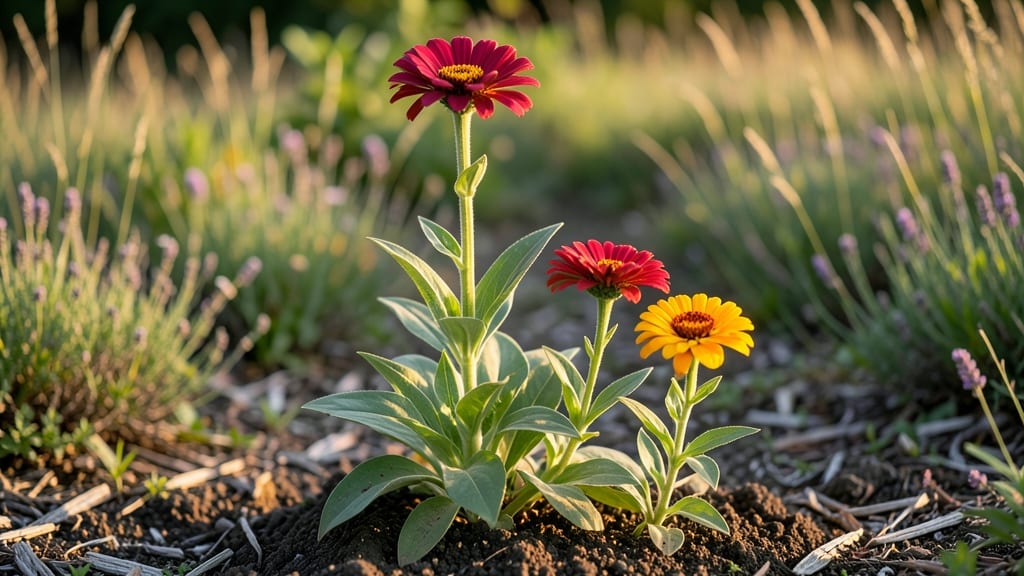
Growing zinnias with the perfect flower height can turn your garden from ordinary to show-stopping — but most gardeners miss the simple tweaks that make the difference.
If your zinnias are growing too tall and flopping over—or not reaching their full potential—you’re missing simple tricks to control and maximize their height for show-stopping blooms.
From dwarf varieties that stay under a foot to towering giants reaching 4 feet, zinnias offer a range of heights that can completely change your garden’s look. The key? Understanding how sunlight, spacing, and pruning work together to shape their growth.
In this guide, I’ll break down how to pick the right zinnia for your space, when to stake them (and when to let them grow wild), and the easiest pruning methods to keep stems strong and blooms abundant.

How zinnia flower height varies by variety and growing conditions
Zinnias are one of the most versatile annual flowers, offering a stunning range of heights from compact dwarf varieties to towering giants. The natural height of your zinnias depends on both the variety you choose and the growing conditions you provide.
For example, 'Crystal' zinnias stay under a foot tall, while 'Benary’s Giant' can reach nearly four feet—making them perfect for cut flowers or dramatic garden backdrops.
Understanding these differences helps you plan your garden layout, prevent overcrowding, and ensure each variety thrives. Sunlight exposure, soil fertility, and proper spacing can all influence how tall your zinnias grow.
A sunny location with well-draining soil will encourage stronger stems, while shady spots or poor soil can lead to leggy, weak plants that flop over.
| Variety | Height Range | Best For | Sunlight Needs | Spacing |
|---|---|---|---|---|
| 'Crystal' (Dwarf) | 6–12 inches | Borders, containers, edging | Full sun (6+ hours) | 6–8 inches apart |
| 'Profusion' (Semi-Dwarf) | 1–2 feet | Cut flowers, mass plantings | Full sun (6–8 hours) | 8–12 inches apart |
| 'Benary’s Giant' (Tall) | 3–4 feet | Cut flower arrangements, backdrops | Full sun (8+ hours) | 12–18 inches apart |
| 'Thumbelina' (Miniature) | 4–6 inches | Rock gardens, fairy gardens | Full sun to part shade | 4–6 inches apart |
| 'State Fair' (Medium) | 2–3 feet | Mixed borders, pollinator gardens | Full sun (6–8 hours) | 10–12 inches apart |
*Height can vary by 10–20% based on growing conditions like sunlight and soil fertility.
If you’re growing tall zinnias like 'Benary’s Giant', they’ll need extra support to prevent flopping, especially in windy areas. I recommend using bamboo stakes or tomato cages inserted at planting time.
For dwarf varieties like 'Crystal', focus on tight spacing to create a lush, low border that spills over container edges beautifully.
Another key factor is soil fertility. Zinnias thrive in average garden soil but respond well to a light application of compost at planting. Over-fertilizing can lead to excessive foliage at the expense of flower production, which can make stems weaker and more prone to bending.
A balanced 5-10-10 fertilizer applied every 4–6 weeks during the growing season keeps them strong without encouraging leggy growth.
For container gardening, choose dwarf or semi-dwarf varieties to avoid overcrowding. A 5-gallon pot can comfortably hold 3–5 'Profusion' plants with well-draining potting mix.
If you’re growing tall zinnias in containers, opt for heavier pots to prevent tipping and add stakes at planting to support their weight as they mature.
One of my favorite tricks for controlling height is pinching back seedlings when they reach 6–8 inches tall. This encourages bushier growth and more secondary stems, which can increase the number of blooms.
Simply snip the top set of leaves with clean pruning shears or your fingers, and watch your zinnias fill out instead of stretching upward.
When planning your garden layout, group zinnias by height and bloom time to create a staggered display. For instance, pair tall 'Benary’s Giant' zinnias (which bloom mid-to-late summer) with medium-height 'State Fair' varieties (early to mid-summer bloomers) and dwarf 'Thumbelina' zinnias (continuous bloomers).
This ensures your garden stays colorful from early July through October.
Finally, don’t overlook the role of watering habits in height control. Zinnias are drought-tolerant once established, but consistent moisture during their first few weeks encourages strong root development. I water my zinnias deeply every 3–5 days
5 Proven techniques to control zinnia height for stronger stems
Zinnias are stunning annuals that can reach heights from 6 inches to over 4 feet, but their stems often struggle with weak growth if not properly managed.
The secret to controlling their height lies in a few simple yet effective techniques that encourage stronger stems and prevent leggy, floppy plants.
Whether you're growing dwarf varieties for borders or towering Benary’s Giant zinnias for cut flowers, these methods will help you achieve the perfect height while keeping your plants healthy and blooming abundantly.
- 1
- 2
- 3
- 4
- 5
When seedlings reach 4-6 inches, pinch off the top set of leaves to encourage bushier growth. This redirects energy to stem strength instead of height.
Install bamboo stakes or tomato cages at planting. Tall varieties need support to prevent stem breakage from wind or heavy blooms.
Water at the base of plants in the morning to avoid fungal diseases and encourage deep root growth, which supports taller stems.
Use a 5-10-10 fertilizer in early summer to promote stem strength and blooms. Over-fertilizing can lead to weak, leggy growth.
Remove spent blooms to redirect energy to new growth and prevent the plant from putting all its effort into seed production.
One of the most effective ways to control zinnia height is by pinching back seedlings when they reach 4-6 inches. This simple technique encourages the plant to branch out, creating a bushier, more stable structure.
I always do this with my Profusion zinnias—it makes a huge difference in their ability to support heavy blooms.
For taller varieties like Benary’s Giant, staking is a must. I use bamboo stakes or tomato cages to provide support without restricting growth. This prevents stems from bending or breaking under the weight of large flowers, especially in windy conditions.
Watering plays a critical role in stem strength. I water my zinnias deeply in the morning to ensure the soil stays moist but not soggy. This encourages deep root growth, which in turn supports taller stems and prevents flopping.
Avoid watering in the evening, as damp foliage can lead to powdery mildew.
Fertilizing correctly is another key to controlling height. I use a balanced 5-10-10 fertilizer in early summer to give my zinnias the nutrients they need for strong stems and abundant blooms. Over-fertilizing with too much nitrogen can lead to leggy growth, so I always follow the recommended dosage.
Finally, don’t forget to deadhead your zinnias regularly. This simple task removes spent blooms and encourages the plant to produce more flowers. It also prevents the zinnia from putting all its energy into seed production, which can weaken the stems and reduce overall height control.
By combining these techniques, you’ll have zinnias with stronger stems and the perfect height for your garden—whether you prefer compact borders or towering cut flowers. 🌼