
Flowers
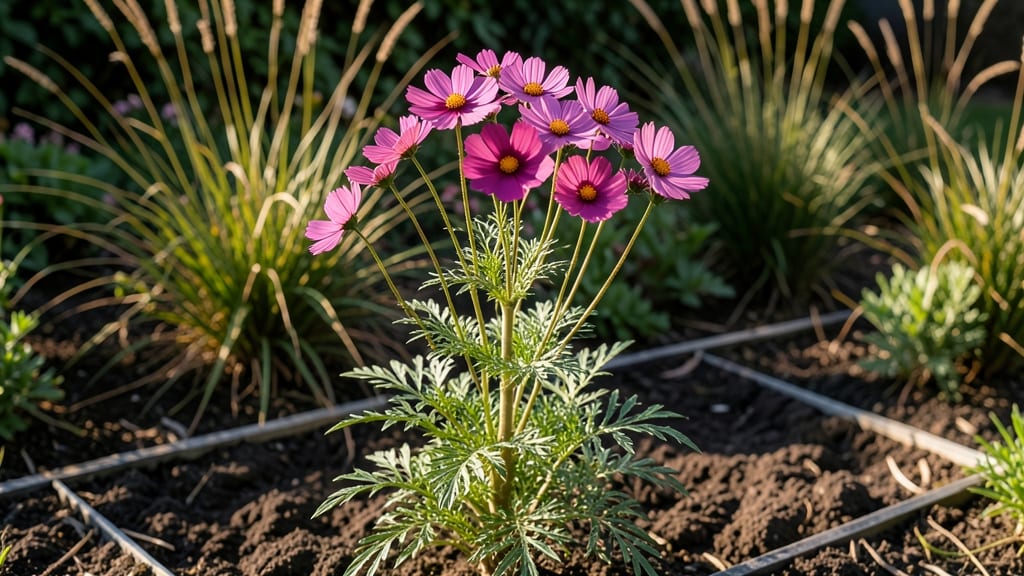
The cosmos flower height varies dramatically between 1 and 6 feet, depending on the variety and growing conditions—so spacing and support are everything for a showstopping display.
If you’ve ever wondered why your cosmos flowers flop over or struggle to reach their full potential, understanding their height variations is the key to a thriving garden—without overcrowding or wasted space.
From compact dwarfs that top out at 12 inches to towering 6-foot giants, each type has its own spacing needs and support requirements. The wrong placement can mean leggy stems or crowded blooms, while the right setup turns your garden into a lush, airy paradise.
Here’s how to choose the perfect height for your space, plus pro tips for pruning, staking, and companion planting to keep your cosmos upright and flourishing all season.

Cosmos flower height by variety: compact dwarfs vs. towering giants
Understanding cosmos flower height is essential for creating a well-balanced garden layout. These cheerful annuals can range from 12 inches to over 6 feet tall, depending on the variety. Knowing your cosmos' mature height helps you plan spacing, support structures, and companion plants to avoid overcrowding or flopping stems.
Let’s explore the most popular cosmos varieties and their typical height ranges to help you make the best choices for your garden design.
For gardeners working with limited space, dwarf cosmos varieties like 'Purity' or 'Bright Lights' are perfect. These compact beauties stay between 12 and 24 inches tall, making them ideal for borders, containers, or small gardens.
On the other end of the spectrum, varieties like 'Seashells' or 'Bright Lights Mix' can reach 4 to 6 feet, creating stunning vertical accents in the backyard. The key to success lies in matching the variety to your garden’s layout and your maintenance preferences.
Cosmos bipinnatus (the most common type) typically grows between 2 and 5 feet, while Cosmos sulphureus varieties often reach 3 to 6 feet. The height differences aren’t just about aesthetics—they also influence how you should space your plants and whether you’ll need to provide support. Taller cosmos need more room to avoid shading smaller neighbors, while dwarf varieties can be planted closer together for a lush, full look.
| Variety | Mature Height | Spacing Needs | Growth Habit | Best For |
|---|---|---|---|---|
| 'Purity' | 12–18" | 12–18" apart | Compact, bushy | Containers, borders, small gardens |
| 'Bright Lights' | 18–24" | 18–24" apart | Upright, slightly spreading | Cut flowers, cottage gardens |
| 'Sensation Mix' | 24–36" | 24–30" apart | Medium height, sturdy stems | Back of borders, mixed beds |
| 'Seashells' | 36–48" | 30–36" apart | Tall, slender stems | Backdrop, cut flower arrangements |
| 'Cosmos sulphureus' | 48–72" | 36–48" apart | Very tall, may need support | Tall garden backdrops, wildflower meadows |
The spacing needs for cosmos flowers directly correlate with their height. For example, dwarf varieties like 'Purity' can be planted just 12 inches apart, while taller types like 'Seashells' require 30 inches or more between plants.
Proper spacing ensures good airflow, reducing the risk of fungal diseases and allowing each plant to reach its full potential without competing for resources.
When planting taller cosmos, consider their growth habit. Some varieties, like 'Cosmos sulphureus', have slender stems that may need staking or cages to prevent flopping, especially in windy conditions.
Others, like 'Sensation Mix', have sturdy stems that hold up well without additional support. Always check the specific variety’s growth habit before planting to avoid disappointment later in the season.
If you're designing a cut-flower garden, taller cosmos varieties like 'Seashells' or 'Bright Lights Mix' are excellent choices. Their height makes them perfect for arranging in bouquets, and their long stems provide plenty of material for floral arrangements.
For a more naturalistic look, mix different heights in a wildflower meadow or pollinator garden, where cosmos can thrive alongside grasses and other tall perennials.
One of the biggest mistakes gardeners make is overcrowding cosmos plants, which can lead to leggy growth, fewer blooms, and increased susceptibility to pests. Always follow the recommended spacing guidelines for each variety to ensure your cosmos grow strong and healthy.
If you're unsure about spacing, err on the side of giving your plants more room—they’ll thank you with abundant, long-lasting flowers.
For container gardening, choose dwarf or semi-dwarf varieties like 'Purity' or 'Bright Lights'. These compact cosmos thrive in pots and can be placed on patios, balconies, or windowsills. Just ensure the container has adequate drainage and is at least 12 inches deep to accommodate the root system.
Add a lightweight support structure, like a small cage or stake, if you notice the stems becoming top-heavy as they bloom.
Finally, remember that cosmos flower height can vary slightly based on growing conditions. Plants grown in full sun with well-draining soil and regular deadheading will typically reach their maximum height potential. If you notice your cosmos are shorter than expected, check for adequate sunlight, proper water
How cosmos flower height affects garden spacing & support needs
Choosing the right garden spacing for your cosmos depends entirely on their mature flower height. Dwarf varieties like 'Purity' cosmos stay under 18 inches, while tall types such as 'Bright Lights' cosmos can reach 5–6 feet.
Crowding them too closely leads to flopping stems and poor airflow, inviting fungal diseases.
The key is balancing root spread with vertical growth. For example, a 3-foot cosmos needs 24–36 inches between plants, while a 6-foot giant requires 36–48 inches to avoid competition. This ensures each plant gets enough sunlight and nutrients to thrive.
-
🌱 Dwarf Cosmos (12–18")
✅ Best for borders
Space 12–18 inches apart in full sun. Ideal for container gardens or front-of-bed plantings.
-
🌿 Semi-Dwarf Cosmos (24–36")
✅ Perfect for mid-height beds
Plant 24–30 inches apart. Pair with low-growing perennials like salvia or coreopsis.
-
🌳 Tall Cosmos (36–72")
⚠️ Needs support
Space 36–48 inches apart. Use cage supports or tall grasses (e.g., miscanthus) as natural windbreaks.
Taller cosmos varieties often need physical support to prevent stem flopping, especially in windy areas. Install bamboo stakes or tomato cages at planting time, securing stems with soft garden twine as they grow.
For a natural look, interplant with ornamental grasses like feather reed grass, which provides hidden support while adding texture.
Another trick is companion planting. Pairing cosmos with sturdy perennials like black-eyed Susans or coneflowers creates a self-supporting display. The taller cosmos lean slightly toward their companions, creating a dramatic, cascading effect without needing extra hardware.
If you’re growing cosmos in containers, choose large pots (at least 12–14 inches wide) to accommodate their root systems. Use a lightweight potting mix with perlite to prevent soil compaction, which can weaken stems. Place containers where they’ll get morning sun to reduce stress on tall varieties.
Remember, pruning for height is a game-changer. Pinch back tips of young plants to encourage bushier growth, and remove spent blooms regularly to redirect energy upward. With the right spacing and support, your cosmos will stand tall—flaunting their full height without sacrificing beauty or health. 🌼