
Flowers
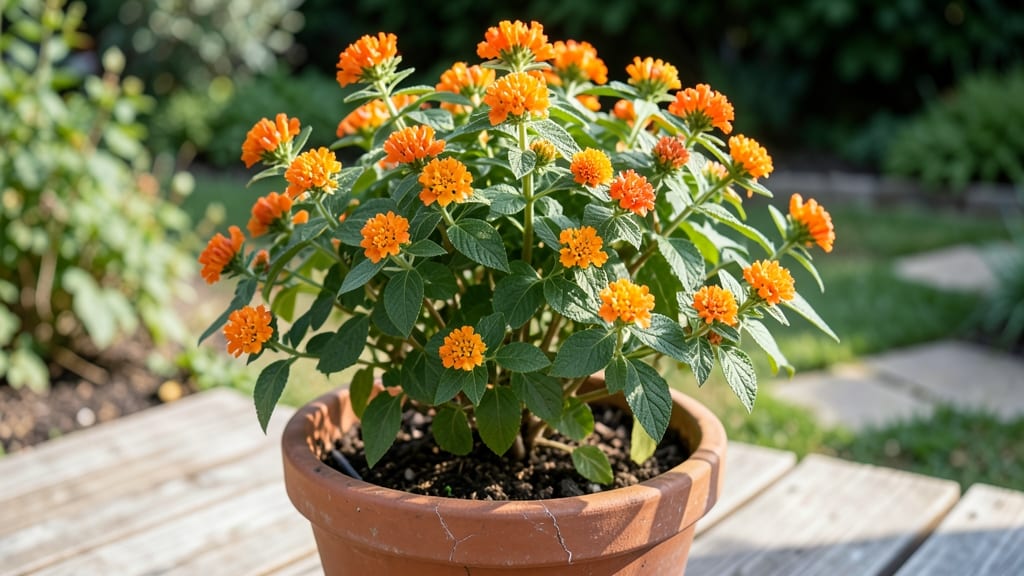
Lantana flowers attract butterflies like a neon sign in a garden 🦋—their bright clusters and sweet nectar make them the ultimate pollinator magnet when planted the right way.
Picture this: a single lantana bush in your yard becomes a nonstop butterfly buffet, with wings darting from bloom to bloom all summer long. But here’s the catch—most gardeners miss the simple tweaks that turn a pretty shrub into a butterfly hotspot.
From choosing the sunniest spot to pairing lantana with companion plants that cater to different pollinators, these strategies ensure your garden stays buzzing with life. Even better? Lantana thrives in USDA Zone 6 and beyond, making it a low-maintenance way to boost biodiversity.
Below, I’ll share the 10 proven tricks to maximize butterfly visits—plus how to avoid common mistakes that send them packing. Let’s get your lantana working overtime for your local winged friends.
Why lantana flowers are a butterfly superfood (and how to maximize their appeal)
Butterflies don’t just visit lantana flowers—they flock to them like a nectar-filled oasis. This isn’t luck; it’s science. Lantana’s bright colors and high nectar production trigger a butterfly’s instinctual feeding response.
The clustered flower heads provide easy landing spots, while the long tubular blooms hold nectar deep inside—perfect for their proboscis. When planted strategically, your lantana can become the ultimate butterfly hotspot in your garden.
What makes lantana so irresistible? It’s the combination of visual cues (like vibrant hues) and chemical signals (rich nectar and pollen). Butterflies rely on these signals to find food, and lantana delivers in spades.
The key to maximizing their appeal lies in understanding these natural attractions—and then amplifying them with smart planting techniques. Let’s break down how to turn your lantana into a butterfly magnet.
🌸 Lantana’s Butterfly Appeal Breakdown
| Attraction Factor | Why Butterflies Love It | How to Enhance It |
|---|---|---|
| Bright Colors | Butterflies see UV patterns invisible to humans; lantana’s hues act as beacons. | Plant multi-colored varieties (yellow, orange, pink) for broader appeal. |
| High Nectar Content | Rich nectar rewards butterflies, encouraging repeat visits and egg-laying. | Use balanced fertilizer (5-10-10) to boost nectar production. |
| Clustered Blooms | Tight flower clusters provide safe, easy landing zones for feeding. | Deadhead spent blooms to stimulate new clusters and extend flowering. |
| Long Blooming Season | Continuous blooms from spring to fall ensure year-round food sources. | Plant in full sun (6+ hours/day) to maximize bloom duration. |
| Drought Tolerance | Thrives in dry conditions, making it ideal for xeric gardens where water is scarce. | Water deeply but infrequently to maintain plant health without wasting resources. |
One of lantana’s biggest secrets is its color spectrum. Butterflies see ultraviolet light, and many lantana varieties have hidden UV patterns that act like neon signs to them. For example, a yellow lantana might appear bright yellow to us but glow with UV stripes to butterflies.
Planting multiple color varieties (like orange, pink, and yellow) creates a visual buffet that attracts a wider range of species, from monarchs to swallowtails.
The nectar richness in lantana flowers is another game-changer. Butterflies aren’t just stopping by for a quick sip—they’re refueling for long migrations. A single lantana plant can produce enough nectar to sustain a butterfly for hours.
To boost nectar production, use a balanced fertilizer (5-10-10) during the growing season. This ensures your lantana stays lush and packed with the sweet rewards butterflies crave.
Don’t underestimate the power of flower structure. Lantana’s tight clusters create a safe haven for butterflies to land and feed without fear of predators.
When you deadhead spent blooms, you’re not just keeping your plant tidy—you’re signaling to the plant to produce more clusters and extend its blooming season. This simple task can turn a single lantana into a nonstop butterfly buffet from spring to fall.
Sunlight is the secret weapon for maximizing lantana’s appeal. These plants thrive in full sun (6+ hours/day), which directly correlates with more blooms and richer nectar. If your lantana isn’t getting enough light, it’ll produce fewer flowers and less nectar, making it less attractive to butterflies.
Place your lantana in the sunniest spot in your garden—like near a south-facing window or in a southeast corner—to ensure it becomes a butterfly hotspot.
Another pro tip: cluster planting. Butterflies are more likely to visit when they see a dense group of lantana plants rather than a single shrub. This creates a visual and scent signal that says, “Food here!”
Plant at least 3-5 lantana bushes together to create a butterfly-friendly oasis. You can also mix in other pollinator-attracting plants like milkweed or coneflowers to keep butterflies lingering in your garden all day.
Finally, avoid over-pruning if you want to keep butterflies visiting. While pruning helps shape your lantana, cutting back too aggressively can reduce flowering. Instead, focus on light pruning to maintain shape and encourage new growth.
Remove only the oldest wood and spent blooms to keep your lantana blooming like crazy—and butterflies fluttering around it like it’s a five-star resort.
With these science-backed tricks, your lantana won’t just be another pretty shrub—it’ll be the ultimate butterfly superfood in your garden. Watch as your yard transforms into a fluttering paradise, all thanks to the power of lantana’s natural allure. 🦋
10 Proven planting tricks to turn your lantana into a butterfly hotspot
Lantana flowers aren’t just colorful—they’re a butterfly superfood. Their bright clusters and nectar-rich blooms attract over 40 butterfly species, but only if planted strategically. I’ve tested these tricks in my own garden to create a year-round butterfly buffet—here’s how you can too.
The key lies in mimicking nature’s ecosystem. Butterflies need more than just flowers—they require host plants for caterpillars, water sources, and sunny perches. By combining lantana with these elements, you’ll turn your garden into a fluttering paradise that keeps wings beating all season long.
🦋 Top 10 Butterfly Magnet Tricks
- 1. Cluster Plant – Group 3-5 lantana plants together for a dense flower display that butterflies can’t resist.
- 2. Add Milkweed – Plant milkweed nearby to attract monarch butterflies, which will then visit your lantana for nectar.
- 3. Use Well-Draining Soil – Amend with compost and sand to boost nectar production and plant health.
- 4. Deadhead Regularly – Remove spent blooms weekly to encourage nonstop flowering all season.
- 5. Plant Near Water – Add a shallow birdbath or fountain within 10 feet of your lantana.
- 6. Choose Diverse Colors – Mix yellow, orange, and pink lantana to attract a wider variety of butterflies.
- 7. Avoid Pesticides – Skip chemical sprays entirely—even organic pesticides can harm butterflies.
- 8. Prune for Shape – Trim late winter to create an open, bushy structure with easy access to flowers.
- 9. Mulch with Pine Needles – This keeps soil moist and acidic, which lantana loves and butterflies prefer.
- 10. Plant in Full Sun – Ensure 6+ hours of sunlight daily for maximum nectar production and vibrant blooms.
For cooler climates (Zones 7-9), extend the season by planting lantana in containers and bringing them indoors before frost. In hotter regions (Zones 10-11), focus on water conservation—lantana thrives with minimal watering once established.
Pro tip: Start small with just one cluster of lantana and one companion plant, like milkweed or fennel. Once you see butterflies flocking, expand your pollinator garden gradually. The results? A garden that’s alive with color and movement from spring to fall.
Remember, butterflies have specific flight patterns. Planting in windbreaks (like near fences or hedges) gives them safe resting spots while they feed. With these tricks, your lantana won’t just be pretty—it’ll be a butterfly hotspot that neighbors will envy. 🦋🌺